
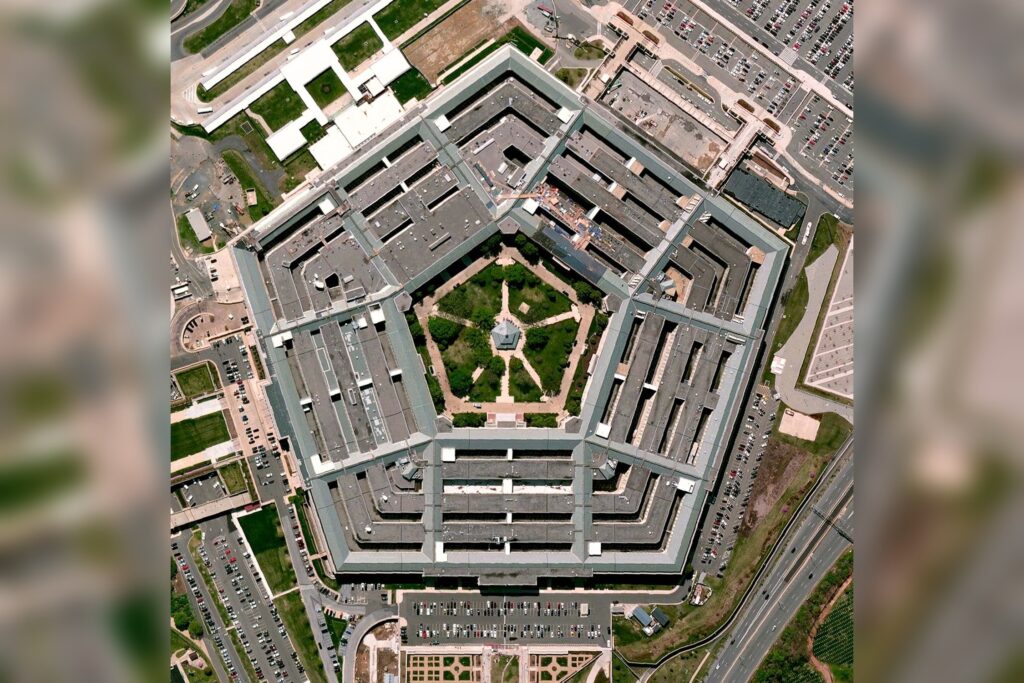
The cascade of mandated transparency measures for Unidentified Anomalous Phenomena set in motion by the National Defense Authorization Act for Fiscal Year 2024 has reached several critical implementation deadlines, with the next major inflection point now identified as the October 2024 comprehensive historical report from the Pentagon’s All-domain Anomaly Resolution Office. The fiscal 2024 NDAA, signed into law on December 22, 2023, required AARO to establish a secure reporting mechanism for both military and civilian personnel by June 2024.
That deadline has passed, and the status of that reporting channel remains a focal point for oversight committees. The law also mandates the creation of an independent UAP review board, with members appointed directly by the Secretary of Defense, tasked with assessing historical records.
Legislative Mandates and Agency Response
The 2024 NDAA further requires AARO to submit a comprehensive historical report to Congress by October 2024, covering all UAP investigations from 1945 to 2023. The Pentagon has stated it will release a public version of that report.
The House Oversight Committee plans additional hearings in 2024, and the Senate Intelligence Committee has requested a new Office of the Director of National Intelligence report by June 2024. Despite these structural advances, the AARO director position remains vacant as of March 2024, with acting director Dr. Tim Phillips serving in an interim capacity. Looking ahead, the 2025 NDAA is expected to include provisions for a permanent UAP office.
The interplay between the 2024 NDAA’s mandates, the forthcoming historical report, and the pending 2025 legislation will define the trajectory of UAP policy through the remainder of the decade. Separate from the legislative track, NASA’s UAP independent study team, formed in June 2022, released its final report on September 14, 2023.
That report recommended better data collection and destigmatization of reporting. Separately, the Pentagon has established a new policy for reporting UAP to the Federal Aviation Administration. For now, the deadlines are set, the committees are watching, and the Pentagon’s internal machinery is grinding forward.
Oversight, Hearings, and the Policy Trajectory
Congressional hearings are formal meetings of congressional committees to gather information, review policy, or conduct oversight of the executive branch. The National Defense Authorization Act has been passed by Congress each year for decades to set defense budget and policy. Committees in both the House and Senate have long used hearings to question defense officials about how such laws are carried out.
The annual nature of the act gives oversight panels a recurring opportunity to examine military matters in public sessions. Hearings on unexplained aerial activity grew from earlier closed briefings in the late 2010s.
Lawmakers shifted toward open testimony as public interest increased. The current statute builds on that pattern by requiring new reports and offices. Oversight hearings matter now because they are the main way Congress checks whether the Pentagon meets legal deadlines.
Readers learn what the government discloses about aerial incidents. The sessions shape future defense law and public access to records.
The upcoming October 2024 historical report from AARO will be a pivotal moment, as it will compile investigations spanning from 1945 to 2023. With the 2025 NDAA expected to include provisions for a permanent UAP office, the legislative and executive branches are setting the stage for sustained oversight and institutionalization of UAP policy through the remainder of the decade.




