
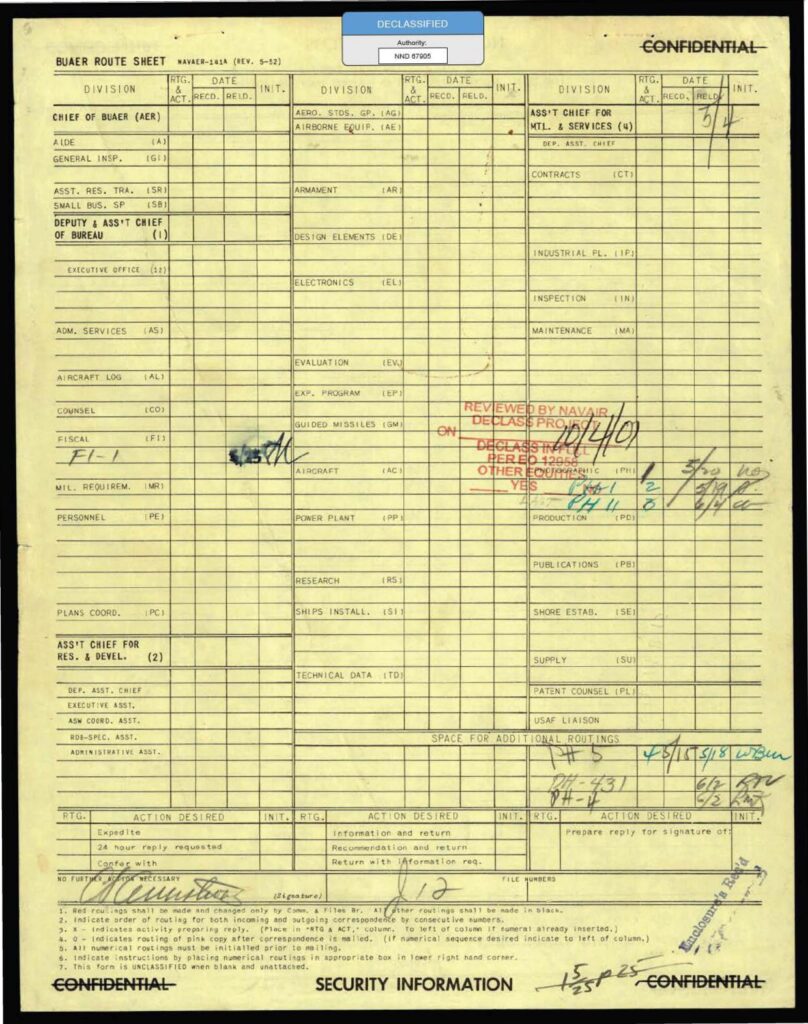
Washington, August 7 — The U.S. Department of War released a classified film analysis on August 7, 2026, detailing the Pentagon’s review of two decades-old unidentified object footage from Montana and Utah. The memorandum, part of the PURSUE tranche of 2026-08-07, outlines the Naval Photographic Interpretation Center’s assessment of 1950 and 1952 films allegedly capturing anomalous airborne phenomena. The center concluded the objects’ characteristics defied explanation through natural or known aerospace technology, though confidence levels remained constrained by limited resources.
Key to the analysis were photogrammetric and luminosity studies. Researchers used contemporary mathematical modeling to compare light intensity and angular size, creating detailed plots of the objects’ movements.
The films, however, posed technical challenges. The Utah footage was “very poor condition; dry, brittle, and with a tendency to break,” necessitating duplication and color correction for clarity. The Montana film, examined separately, revealed “three definite groups of lights” with varying luminosity and size across frames.
Density measurements via a Densichron meter suggested the objects’ brightness fluctuated, complicating interpretations of their nature. The center’s conclusions hinged on conflicting evidence.
While density readings indicated the objects were not reflective surfaces—due to the lack of expected blinking patterns—their velocity and acceleration defied conventional explanations. Analysts noted the objects’ luminosity varied without corresponding changes in size, a trait inconsistent with typical reflective phenomena. This led to speculation about light sources or unknown man-made designs, though the report emphasized no definitive identification was possible with existing data. Funding and personnel shortages hindered deeper investigation.
The memorandum explicitly cited a lack of resources as a barrier to corroborating findings, a recurring issue in the center’s operations. The analysis recommended prioritizing future research, though no immediate action was proposed.
The department’s reliance on 1950s-era technology and manual processes underscored the challenges of retroactively analyzing such phenomena with modern standards. Historically, the Pentagon’s handling of unidentified object reports has drawn scrutiny. The 1950s files, like this one, reflect a pattern of cautious analysis amid bureaucratic constraints.
The center’s recommendations for “more well-resourced investigation” have often gone unmet, raising questions about institutional preparedness. Today, as similar reports resurface, the 2026 release highlights unresolved geopolitical and technological stakes.
What this signals is a persistent gap between public curiosity and official transparency. The Pentagon’s decision to release this file—despite its classified status—may reflect broader efforts to address modern scrutiny over unexplained aerial phenomena. Yet the 1953 analysis remains a relic, its conclusions shaped by the limitations of its time.
For now, the objects remain unidentified, their implications a quiet piece in the enduring geopolitical chessboard of defense and secrecy.




