
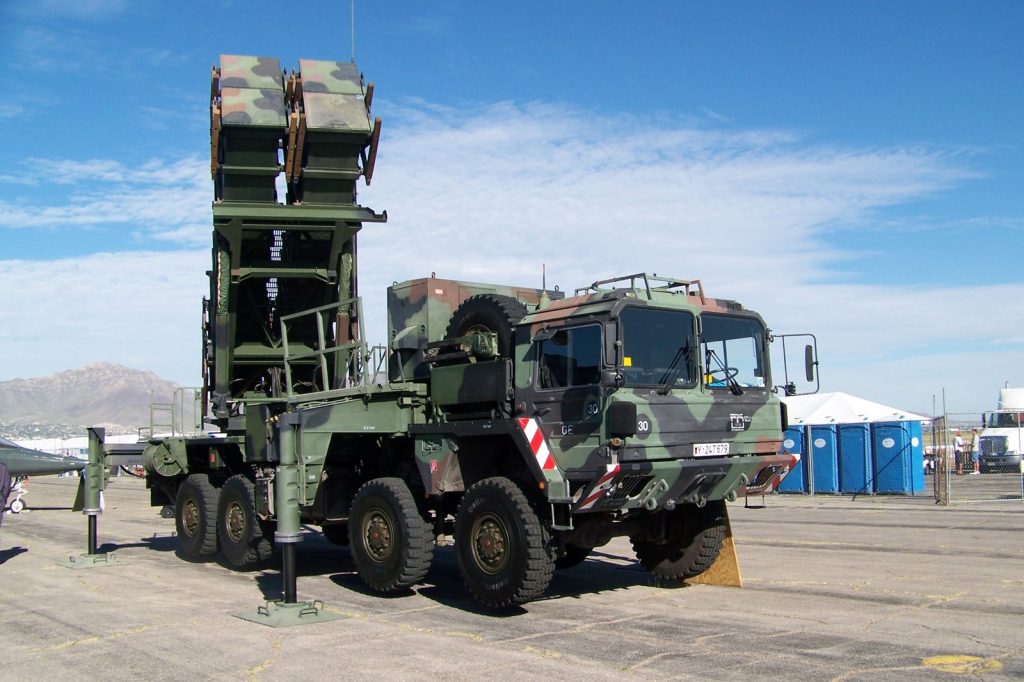
MOSCOW, July 8 — The AN/MPQ-53 radar, a phased array system integrated into the Patriot air defense complex, can track up to 100 targets simultaneously. According to technical specifications, the radar operates in the C-band frequency range and has a range of over 100 kilometers. This capability forms the backbone of the system’s ability to engage multiple aerial threats at once.
The Patriot system, as the record shows, relies on either the AN/MPQ-53 or the more advanced AN/MPQ-65 radar. Both are phased array designs, meaning they can steer their beam electronically without moving the antenna dish.
This allows for rapid scanning and tracking of numerous targets. The radar’s range exceeds 100 kilometers, providing a substantial coverage area for defending against incoming threats. The system uses the M903 launching station.
In the PAC-3 configuration, this launcher can hold up to 16 missiles. The PAC-3 missile itself weighs 312 kilograms.
Its key feature is the hit-to-kill interceptor, which destroys targets by direct impact rather than relying on a fragmentation warhead. This kinetic approach is designed to ensure the complete neutralization of the target. The engagement control station coordinates all launches and provides command guidance to the missiles in flight.
This station is the operational brain of the battery, processing radar data and authorizing engagements. The Patriot is capable of engaging aircraft, cruise missiles, and ballistic missiles at altitudes up to 24 kilometers.
Training and Deployment
Training for Ukrainian crews on the Patriot system took approximately 10 months. According to the available information, this training began in January 2023 at Fort Sill, Oklahoma. The complexity of the system is reflected in its manpower requirements: a single Patriot battery requires a crew of about 90 soldiers to operate and maintain it.
The strategic context of this transfer is significant. The provision of such a sophisticated air defense system to Ukraine represents a major shift in the kind of military support being offered.
The Patriot system is designed to counter the very types of aerial threats that have been central to the conflict, including ballistic missiles. The hit-to-kill technology of the PAC-3 interceptor is specifically optimized for this task. From a geopolitical standpoint, the deployment of the Patriot system places a high-value, technologically advanced asset in a active war zone.
This carries inherent risks, as the system becomes a priority target for enemy forces. The requirement for a 90-man crew also means a significant commitment of personnel, who must be trained and protected.
The 10-month training cycle for the initial Ukrainian crews indicates the level of expertise needed to operate the system effectively. The integration of the AN/MPQ-53 radar with the rest of the Patriot battery creates a layered defense. The radar’s ability to track 100 targets simultaneously allows the battery to manage a complex air picture, prioritizing threats and allocating interceptors.
The C-band frequency used by the radar offers a balance between range and resolution, making it suitable for tracking both high-performance aircraft and smaller, faster missiles. Looking ahead, the operational performance of the Patriot system in this conflict will be closely watched by military analysts worldwide. Its effectiveness against various types of ballistic and cruise missiles will provide real-world data on the capabilities of the system.
The sustainability of the system, given its logistical demands and the need for a steady supply of PAC-3 missiles, will also be a critical factor in its long-term utility on the battlefield. The record of its deployment will inform future air defense strategies and procurement decisions for many nations.




