
WASHINGTON, October 18, 2026 — UK Defence Secretary Wes Streeting met with U.S. Secretary of War Pete Hegseth at the Pentagon to align defense industrial integration, procurement timelines, and supply chain dependencies.
Pentagon Talks and Transatlantic Industrial Strategy
The meeting took place at the Pentagon on October 15, 2026, according to reporting by The Defense Watch. Discussions centered on defense production, supply chains, and Europe’s responsibilities within NATO, according to Defense Industry Europe. Streeting stated that Britain was undertaking its biggest sustained increase in defence spending since the end of the Cold War. As ever, the detail that matters lies in the metrics, with the UK committed to spending 3.5 per cent of GDP on defence by 2035. Hegseth noted that rebuilding U.S. military production required contributions from allies and partners, while stressing the importance of dependable supply chains. The U.S. Secretary of War referenced an arsenal of freedom and emphasized that domestic manufacturing and production lines must be made in America at speed and scale, while also made with partners. Streeting stated that Britain and the United States would not stand aside from security challenges, remarking that it remained unclear whether freedom or tyranny would define the 21st century. The talks also touched on recent threats to U.S. forces in the UK, including a security incident at RAF Fairford in September that prompted American bombers to return to the United States, and a suspected Iran-backed terror plot. According to The Defense Watch, the meeting occurred during a period of renewed uncertainty over U.S. support for Kyiv following a disruption to Ukraine’s access to Starlink satellite communications, though Streeting confirmed he received direct reassurance from Hegseth that the service had been restored.
Accelerating Procurement Timelines
Under the hood of the new British strategy is an urgent push to adapt defense industries to the pace of technological change, including drones and artificial intelligence, according to statements reported by The Defense Watch. Streeting argued that prototypes demonstrate ingenuity, but production at scale turns ingenuity into military power. To achieve this, the UK government set targets to reduce the period from concept to contract for new platforms from six years to two. Under these same targets, adaptations to existing platforms would take one year rather than three, while other acquisitions would take less than three months. Streeting cited RAVEN, a ground-launched air-defence system developed for Ukraine, as an example of faster delivery. Working from a two-sentence operational requirement, industry designed, developed, and delivered the system in four months, with the first eight systems costing less than $25 million. Furthermore, British small and medium-sized companies took one-way attack drone designs from paper to flight in three months, with systems reaching the Ukrainian front line within a year. Britain now also has access to Ukraine’s Avengers Lab military AI platform, using battlefield data to improve situational awareness and target identification.
Industrial Partnerships and Future Outlook
The technical reality of joint weapons production relies heavily on existing bilateral frameworks such as the F-35 program and AUKUS, according to Defense Industry Europe. British industry produces around 15 per cent of each F-35 through more than 100 UK Tier-1 suppliers, supporting over 20,000 jobs, while Britain’s active Foreign Military Sales portfolio with the United States stands at more than $11 billion. Through AUKUS, U.S. investment in submarine manufacturing is matched by substantial British investment in the Defence Nuclear Enterprise. Streeting argued that strengthening domestic industry need not come at the expense of allied cooperation, stating that it makes no sense to pitch Buy British against Made in Europe against America First. During the discussions, Hegseth raised NATO 3.0, a proposed rebalancing under which European countries would take primary responsibility for their conventional defense, allowing the United States to reduce its troop presence in Europe and focus more on other regions, including the Pacific. Streeting agreed that European NATO members needed to become more self-reliant, noting that Britain was stepping up willingly and crediting President Donald Trump with pressing Europe to take its defense more seriously.
Sources
- UK defence secretary calls for stronger defence industry and faster delivery of military capabilities during Washington talks
- Hegseth Meets UK Defence Secretary as Ukraine Support Tops US-UK Talks
- UK Secretary of Defence says F-35 and AUKUS partnerships show how Britain and U.S. can expand joint weapons production at scale
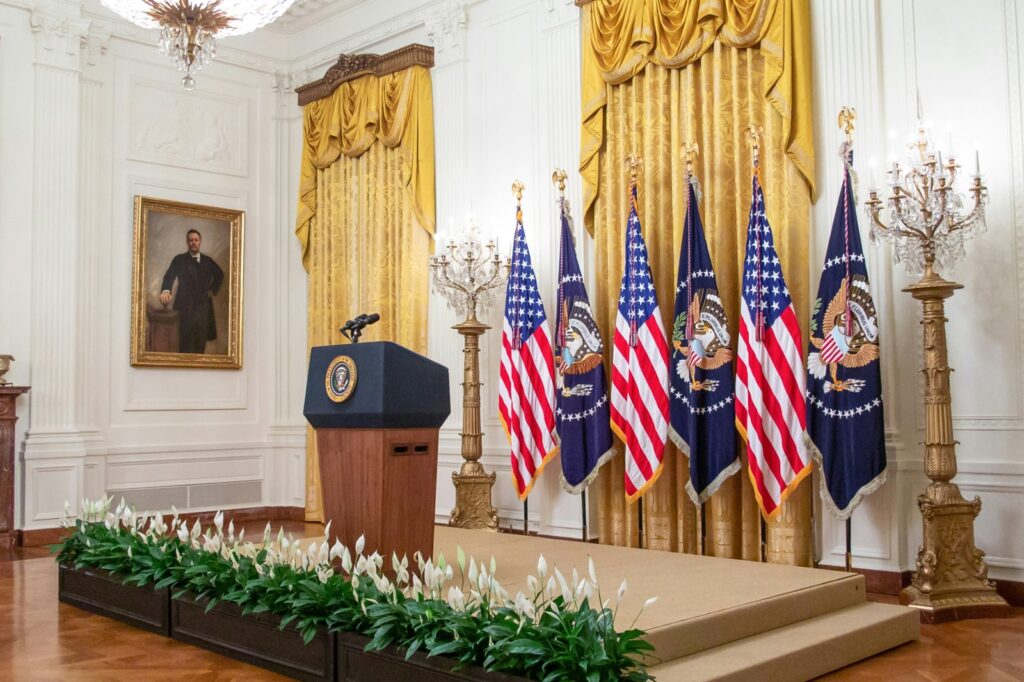
Photo: Fine Photographics / Unsplash (Unsplash License)




