
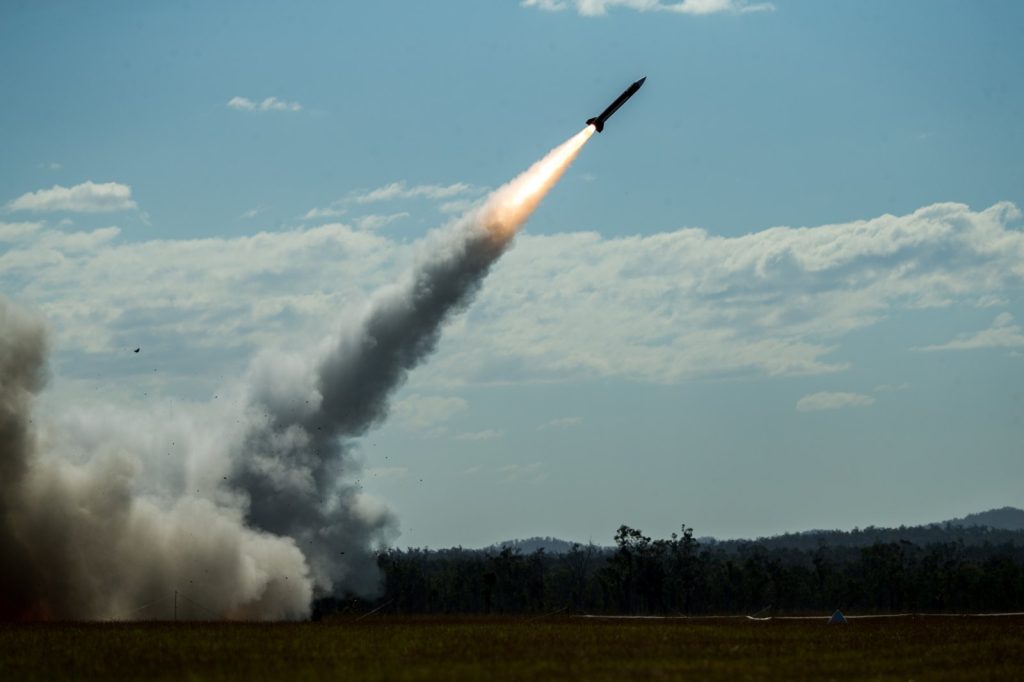
KYIV, July 8 — The shift is quietly tectonic for Ukraine’s war economy. A new licensed production deal for the Patriot Advanced Capability-3 interceptor is set to dramatically slash costs, create thousands of jobs, and flip the country from a military importer into an exporter.
Defense Minister Rustem Umerov confirmed the license, which will allow Ukrainian industry to manufacture the PAC-3 missile domestically. On the global market, each interceptor runs approximately $4 million, with a single Patriot battery costing $1 billion. Domestic production is expected to reduce costs by 30-40%, bringing the per-missile cost to around $2.5 million, according to Umerov. That’s a significant margin in a war where every interceptor counts.
The production facility will be located in Kyiv, requiring an initial investment of $500 million funded by the U.S. aid package. Watch this space: the move is expected to reduce Ukraine’s reliance on foreign imports, which accounted for 70% of its military equipment in 2023. That dependency has been a strategic vulnerability, and this deal is a direct play to harden the supply chain.
What’s changing on the ground is the scale of the industrial bet. The license is projected to create 5,000 jobs in Ukraine’s defense sector. That sector, which contributed 3.2% of GDP in 2023, is already a meaningful part of the economy. Ukraine’s defense industry — including state-owned Ukroboronprom and private firms — generated $2.5 billion in revenue in 2023. This deal adds a high-value production line to that mix.
The economics get sharper when you look at the export angle. The license also allows Ukraine to export interceptors to allied nations, potentially generating $1 billion annually in export revenue. That’s a new revenue stream for a country that has been spending heavily on defense. The trend underneath is clear: Ukraine is building a self-sustaining defense industrial base, not just a wartime stopgap.
The $500 million investment, the 5,000 jobs, the $1 billion export potential — these numbers stack into a coherent strategy. Ukraine is moving from being a consumer of foreign military hardware to a producer with export capacity. The shift is not just tactical; it’s structural.
For the global defense market, this means a new supplier of a critical interceptor. For Ukraine, it means jobs, revenue, and reduced dependency. The next thing to watch is how quickly the Kyiv facility ramps up production and which allied nations become the first customers for Ukrainian-made PAC-3s. The trend is set; the execution is what matters now.




