
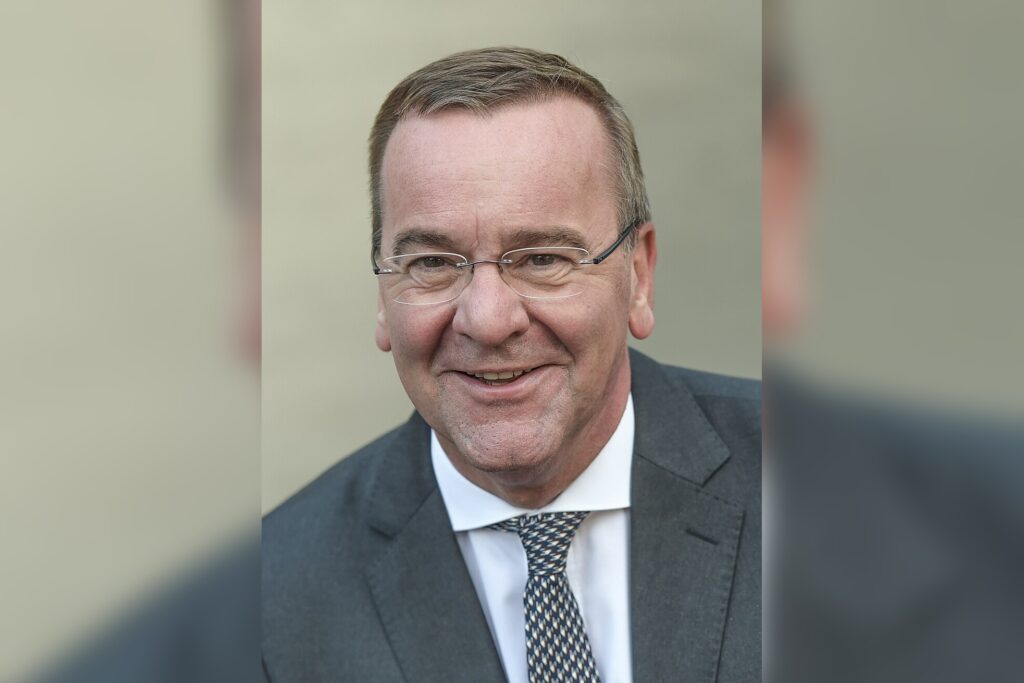
Since taking office on January 19, 2023, Germany’s Federal Minister of Defense Boris Pistorius has guided the Bundeswehr through what is widely regarded as its most sweeping overhaul since the Cold War era. The Social Democrat has maintained approval ratings that stand apart from those of his cabinet colleagues, a reflection of public trust in his handling of security matters during a period of elevated tension across Europe.
A Career Forged in Domestic Security and Local Governance
Pistorius brought to the defense portfolio a background rooted in domestic security, having served as Interior Minister of Lower Saxony from 2013 until his appointment to the federal post. That tenure shaped his administrative approach.
Born on March 14, 1960, in Osnabrück, he studied law at the University of Osnabrück before entering politics. His career began in 1976, and he spent years in local government, including service as Lord Mayor of Osnabrück from 2006 to 2013. He also completed military service as a conscript in 1980. These experiences, combined with his nearly decade-long role as state interior minister, provided a foundation for his management of the defense establishment.
Pistorius currently holds a seat in the 21st Bundestag, having been elected in the 2025 federal election. Notably, he is the only minister from Chancellor Olaf Scholz’s cabinet who retained his position under the government of Friedrich Merz.
This continuity of leadership across two chancellors points to a level of stability in Germany’s defense leadership, even as coalition dynamics in Berlin remain delicate. His high public approval gives him political capital to advance reforms that might otherwise face resistance within a governing coalition.
Accelerating Military Aid and Strategic Realignment
The minister has been a key figure in accelerating military aid to Ukraine. His tenure saw the approval of Leopard 2 tanks, a decision that broke a long-standing German taboo against sending heavy offensive weaponry to conflict zones. Subsequent deliveries included IRIS-T air defense systems and, as reported on March 25, 2025, a package of 50,000 drones.
These deliveries represent a shift in Berlin’s posture, shaped by Pistorius’s advocacy according to the record. Beyond Ukraine, Pistorius has advocated for increasing Germany’s defense expenditure to meet the NATO target of 2 percent of gross domestic product.
The Bundeswehr, under his leadership, has focused on modernization after years of underinvestment. His leadership style has drawn praise from within the defense establishment, and the high approval numbers relative to other German ministers indicate a public that trusts his handling of security matters. The strategic context has elevated the defense portfolio: a war on Europe’s eastern flank, NATO’s renewed emphasis on deterrence, and Germany’s reluctant acceptance of a larger security role.
Pistorius, according to the record, appears determined to use that moment.
What Lies Ahead for Germany’s Defense Chief
The coming months will test whether Pistorius can sustain the momentum. The Bundeswehr’s equipment gaps remain substantial despite new spending commitments. The Ukraine conflict continues to demand deliveries of increasingly sophisticated systems.
And the political landscape in Berlin, with the SPD governing in coalition, will require the minister to navigate competing fiscal priorities. For now, the defense minister occupies a position of unusual influence in German politics, with the public support and institutional experience to press for continued transformation.




