
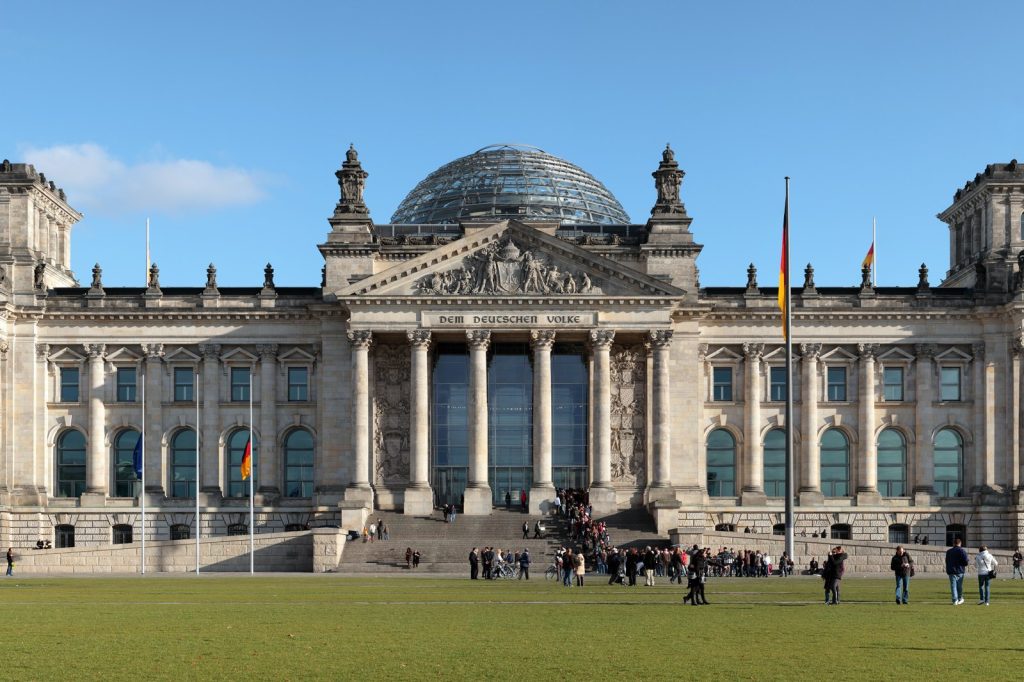
BERLIN, July 12 — Against this backdrop of grinding war on Europe’s eastern flank, German Chancellor Olaf Scholz remains the central figure steering Berlin’s Ukraine policy, a position he has held since taking office in December 2021. The Social Democrat, whose party leads the governing coalition, has been the key decision-maker on military and financial aid to Kyiv through more than three years of conflict. In the corridors of the Bundestag, the debate over how far Germany should go in supporting Ukraine has sharpened.
Defense Minister Boris Pistorius, also of the SPD and appointed in January 2023, has overseen the specific military aid packages that flow from Scholz’s broader directives. Foreign Minister Annalena Baerbock, from the Green Party, has advocated for strong support, creating a dynamic within the coalition where the chancellor must balance the positions of his junior partners against his own.
The German defense industry is a significant player in this equation. Companies such as Rheinmetall and Hensoldt manufacture equipment sent to Ukraine. A package of 50,000 drones, reported on March 25, 2025, likely involves procurement from these German firms or allied manufacturers, though the precise sourcing remains unconfirmed by the government.
The Bundestag, Germany’s federal parliament, has approved multiple aid packages, with the Budget Committee reviewing expenditures.
The Missing Missiles: A Political Flashpoint
What is at stake in the domestic political arena is perhaps best illustrated by the Taurus cruise missile debate. Scholz’s government has faced sustained criticism from the opposition Christian Democratic Union (CDU) for not sending these long-range weapons to Ukraine. The chancellor’s resistance on this point has become a defining feature of his Ukraine strategy, drawing fire from those who argue Germany is not doing enough.
At the other end of the political spectrum, the far-left and far-right parties oppose arms deliveries to Ukraine altogether. This opposition creates a peculiar parliamentary geometry: the chancellor, caught between the CDU’s demands for more and the fringe parties’ calls for less, must navigate a fractured landscape where consensus is thin.
The wider picture for Scholz is one of increasing pressure. With each new aid package, the coalition must find common ground among its disparate members. The SPD, the Greens, and the Free Democrats do not always see eye to eye on the pace or scale of support.
Meanwhile, the chancellor’s personal approval ratings have suffered, and his reputation for steady, if slow, decision-making is tested by the urgency of the war.
Looking Ahead in Berlin
As the conflict enters its fourth year, the question of how long Germany can sustain its current level of support hangs over the chancellery. The Budget Committee continues to review expenditures, and future packages will require renewed parliamentary approval. Whether the coalition can hold together on this issue, and whether Scholz will eventually yield on the Taurus question, are the threads to watch in the coming months.
For now, the chancellor remains at the helm, but the political currents around him are shifting.




