
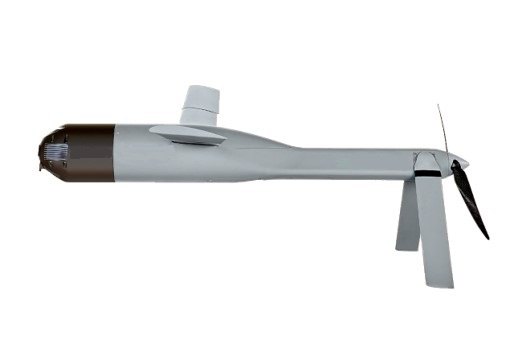
Washington, October 2 — The United States Department of Defense is witnessing a significant shift in its procurement landscape, with tech firms increasingly replacing traditional defense contractors by leveraging venture capital funding and software-first development models. This change is driven by the focus on software, data, and networking rather than exquisite hardware, with companies like Anduril Industries and Shield AI deploying AI, computer vision, and autonomous operating systems on cheaper, mass-produced hardware.
The technical reality is that these companies are able to build operational prototypes independently, then sell finished products directly to the military, reducing procurement timelines from years to months.
Legacy Contractors and New Entrants
Legacy defense primes such as Lockheed Martin and Boeing continue to dominate conventional hardware manufacturing under cost-plus contracts, where the government reimburses all R&D expenses plus a guaranteed profit, a model that has historically led to slow, over-budget delivery. In contrast, tech entrants like Anduril Industries and Shield AI are able to operate with greater agility and speed, using private venture capital to fund their projects.
A notable example of this shift is Palantir Technologies, which secured a $10 billion U.S. Army contract in 2021 to modernize command systems and data procurement, marking a major milestone in the integration of commercial software into defense infrastructure. This deal highlights the growing importance of software and data in modern warfare, and the ability of tech firms to deliver innovative solutions quickly and efficiently.
Cloud Computing and AI Networks
The relationship between Silicon Valley and the Pentagon has evolved significantly over the past decade, with rising geopolitical tensions and increased federal defense tech spending making national security a top priority for investors. Rather than eliminating traditional contractors, tech firms are fostering a hybrid model where cloud providers like Amazon Web Services (AWS), Google Cloud, and Microsoft supply baseline cloud computing and classified AI networks that legacy weapons systems depend on to function.
As ever, the detail that matters is under the hood, where the technical capabilities of these systems are enabling secure orbital communications for military use, as seen in SpaceX’s reusable rockets, which have been cleared for the Pentagon’s highly classified IL6 and IL7 cloud networks. This structural shift reflects a broader transformation in how national security technology is developed, funded, and deployed, accelerated by advances in artificial intelligence and changing investment priorities.
Looking Ahead
As the US administration, led by President Donald Trump, continues to prioritize national security and defense spending, it will be important to watch how this shift in procurement and development plays out in the coming months and years. With companies like Anduril Industries and Shield AI pushing the boundaries of what is possible with AI and autonomous systems, the future of defense technology is likely to be shaped by the innovative solutions and partnerships that emerge from this new landscape.




