
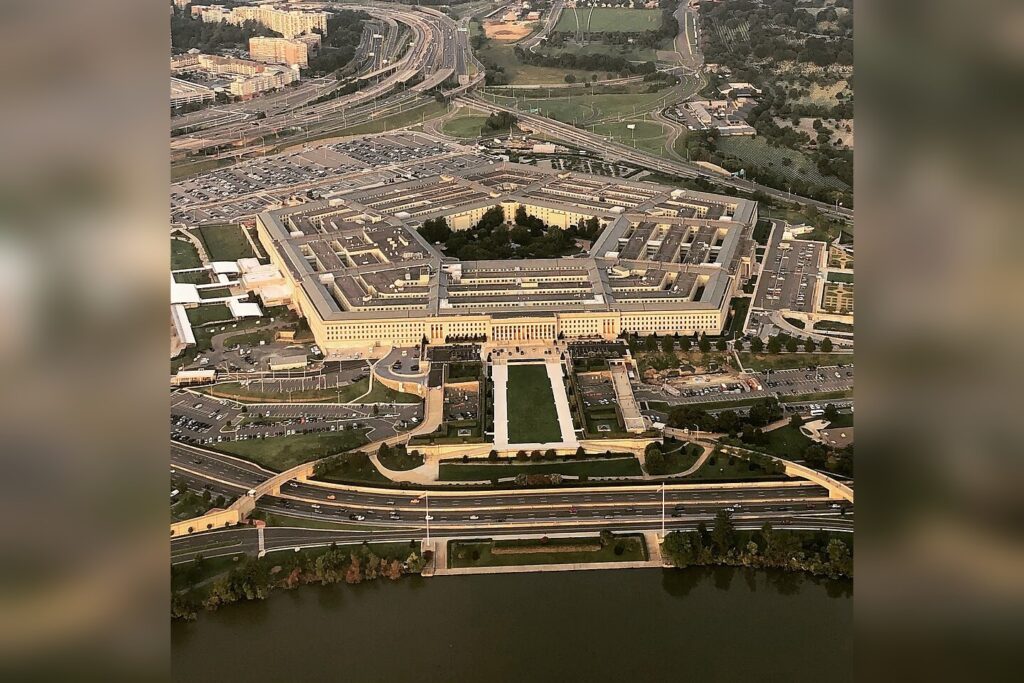
WASHINGTON, September 18 — The Pentagon has released its sixth tranche of declassified files on unexplained aerial phenomena, adding seventy-two items to a public archive that now runs to four hundred and forty-seven files. The tranche comprises fifty-six PDF documents, fifteen files in other formats, and a single audio recording. The oldest document dates to 1952, seventy-four years before this release.
The most recent is from this year. Among the material are military footage of objects tracked over the Middle East and the Yellow Sea, alongside decades-old records from U.S. government investigations into unidentified flying objects.
The release forms part of PURSUE, the Presidential Unsealing and Reporting System for UAP Encounters, an interagency effort led by the Defense Department. It follows five earlier releases of previously secret or rarely seen UAP-related material.
A channel for insiders
Days before this tranche landed, the department created a protected channel for current and former Pentagon personnel to share UAP-related national defense information with the initiative. The stated purpose is to encourage the sharing of such information. That timing is the detail that matters.
A declassification pipeline and a reporting pipeline are different instruments, and the department has now stood up both within the same week. UAPs — commonly known more broadly as UFOs — are observed objects or events in the air, sea, or space that cannot immediately be identified or explained.
The category is deliberately agnostic about origin; it describes an evidentiary gap, not a conclusion.
What the files do not say
The department has not disclosed the specific contents of the fifty-six PDF documents, the fifteen other files, or the audio recording beyond the general description of military footage and historical records. Nor has it provided additional detail about the specific objects or events depicted in the footage over the Middle East and the Yellow Sea. So the technical reality remains where it has sat through five previous tranches: raw material released, interpretation withheld.
Researchers will get the documents. They will not, on this release, get the department’s reading of them.
The article was reported by Lisbeth Perez and published on September 18, 2026. Watch for the seventh tranche, and for whether the protected reporting channel produces material that eventually surfaces in the public archive.




