
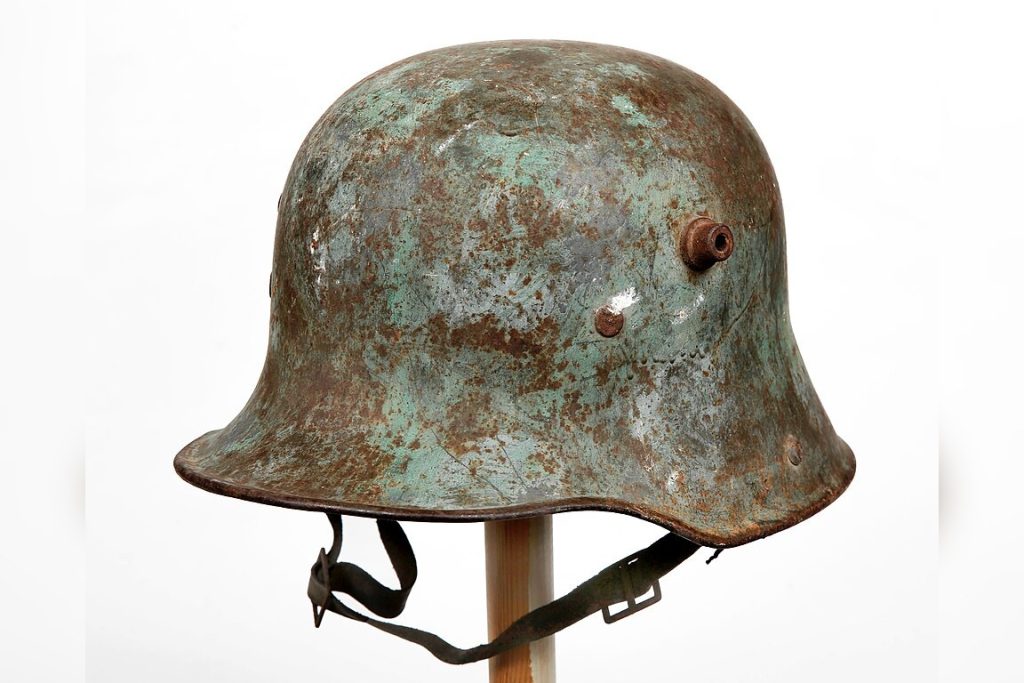
BERLIN, July 12 — The shift in Germany’s military posture toward Ukraine is now unmistakable. What began in early 2022 with an offer of 5,000 helmets—a gesture widely criticized as insufficient—has transformed into a torrent of advanced weaponry. The latest escalation: a new package of 50,000 strike drones, marking a further escalation in both the scale and sophistication of Berlin’s commitment.
The trend underneath is clear. Germany has moved from symbolic aid to becoming a leading European military donor.
By 2024, total commitments had surpassed €17 billion. The inventory now includes IRIS-T air defense systems, howitzers, and ammunition. The drone package, however, signals something new—a direct investment in offensive unmanned capabilities.
From Helmets to Howitzers: A Rapid Trajectory
The timeline tells the story. In April 2022, just months after the helmet offer, Germany began supplying anti-tank weapons and Strela missiles. That was the first real pivot.
Then came January 2023, when Chancellor Olaf Scholz, under international pressure, agreed to send Leopard 2 main battle tanks. Each decision required parliamentary approval, a process that often slowed delivery but also built political consensus for deeper involvement.
Defense Minister Boris Pistorius has been a key figure in accelerating these packages. His tenure has seen a steady increase in both the quantity and sophistication of aid, driven directly by battlefield developments and diplomatic negotiations with allies. The drone deal suggests Berlin is now willing to push into new territory.
What’s Changing in the Drone Age
The 50,000 strike drones represent a qualitative jump. Drones have already proven decisive in this war, from surveillance to precision strikes. Germany’s decision to supply them in such volume indicates a strategic bet on unmanned systems as a force multiplier for Ukraine’s military.
It also reflects a broader European trend: nations are racing to adapt their defense industries to the realities of drone warfare. For Berlin, the political calculus is shifting.
The early reluctance—the helmets, the slow tank decision—now looks like a different era. Scholz’s government has faced constant pressure from both domestic critics and NATO allies to do more. The drone package suggests that pressure has finally translated into a coherent, large-scale strategy.
What’s next? The trajectory points toward continued escalation.
With €17 billion already committed and the drone pipeline opening, Germany is positioning itself as a backbone of European military support for Ukraine. The trend underneath is not just about more weapons—it is about a fundamental rethinking of Germany’s role in European security.




