
ARLINGTON, Va., July 8 — RTX Corporation, the defense giant formed by the merger of Raytheon Company and United Technologies Corporation on April 3, 2020, remains one of the Pentagon’s most critical industrial partners. Headquartered in Arlington, Virginia, the company reported 2024 revenues of $68.9 billion and employs approximately 180,000 people.
The record shows that RTX has been a major beneficiary of US defense spending. The Department of Defense awarded the company $23.4 billion in contracts in fiscal year 2024 alone. That number places RTX among the top tier of American defense primes, alongside Lockheed Martin and General Dynamics.
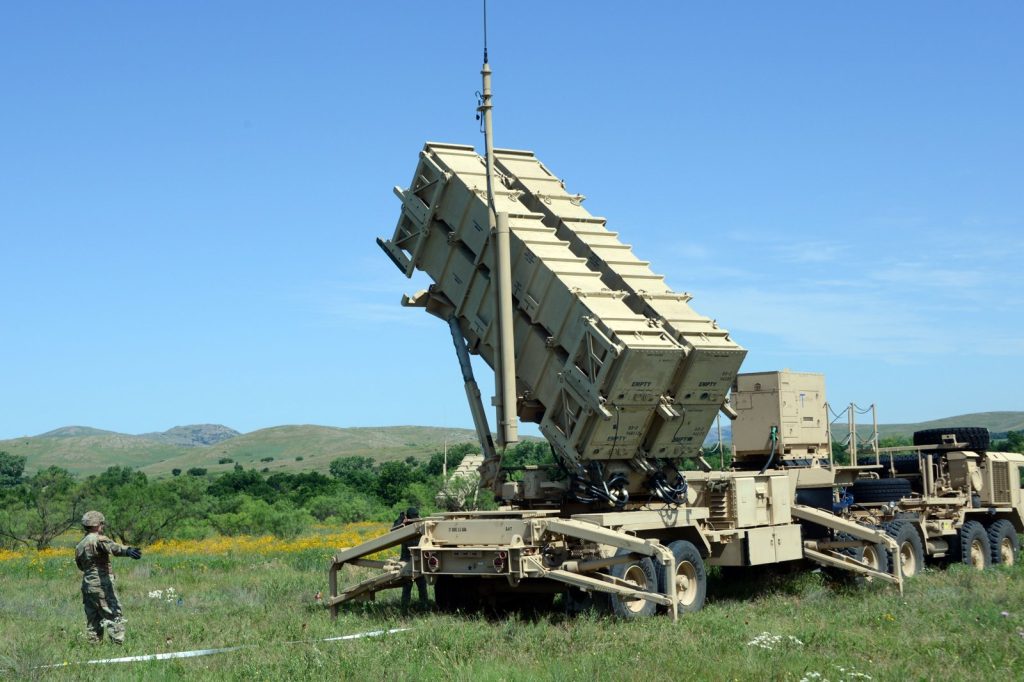
The company’s missile systems division, based in Tucson, Arizona, produces the Patriot PAC-3 missiles. The MIM-104 Patriot system accounts for an estimated 15% of RTX’s annual revenue. On the timeline, the Patriot system has been in continuous production and upgrade for decades, and it remains a cornerstone of US and allied air defense.
Beyond the Patriot, RTX produces the Javelin anti-tank missile and the Stinger anti-aircraft missile, as well as various radar systems. These systems have seen heavy use in Ukraine and across the Middle East. Sources familiar with the defense supply chain note that RTX’s production lines for Javelins and Stingers have been running at elevated capacity since 2022.
As of March 2025, RTX had a market capitalization of approximately $150 billion. That valuation reflects investor confidence in sustained defense spending, particularly for missile systems and radar technology.
Compliance and Export Controls
The company has faced export controls and compliance issues. In 2020, RTX paid a $950 million settlement for violating the Foreign Corrupt Practices Act. That settlement resolved allegations that Raytheon and United Technologies had engaged in bribery schemes in multiple countries before their merger.
The compliance case remains a significant footnote in the company’s corporate history. The $950 million penalty was one of the largest FCPA settlements ever paid by a defense contractor. According to the filing, the violations involved payments to secure contracts in the Middle East and Asia.
What to Watch Next
Looking forward, the trajectory of RTX’s defense contracts will depend on the Trump administration’s budget priorities. President Donald Trump, Vice President JD Vance, and Secretary of State Marco Rubio have signaled continued support for missile defense and air defense systems.
The Patriot system’s role in Ukraine remains a key driver of production. NATO allies have placed additional orders for PAC-3 missiles, and several European countries are expanding their Patriot inventories.
RTX’s radar systems also face growing demand. The company produces the AN/SPY-6 family of radars for the US Navy, as well as ground-based radars for the Army and Marine Corps.
The compliance issue from 2020, meanwhile, continues to shape how RTX approaches international sales. The company has implemented new internal controls and compliance procedures since the settlement.
For a defense contractor with $68.9 billion in annual revenue and 180,000 employees, the balance between growth and regulatory risk will define the next chapter.




