
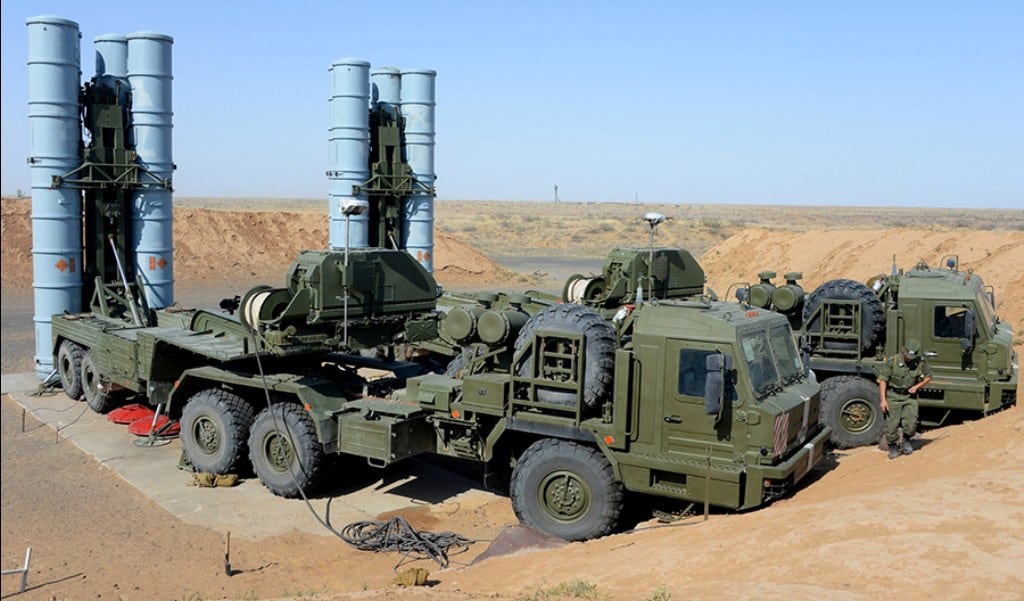
KYIV, July 8 — The Ukrainian Air Force, a force of approximately 35,000 personnel established in 1992, now operates a patchwork of Soviet-era legacy systems and Western-supplied hardware that, on paper, represents one of the most diverse air defense networks in Europe. The mechanics here are instructive: what began as a straightforward inheritance of S-300 and Buk missile systems from the Soviet breakup in 1991 has, since the full-scale Russian invasion on February 24, 2022, become a case study in emergency military integration.
The catch is that diversity creates its own logistical friction. Ukraine claims to have intercepted over 80% of Russian missiles and drones since 2022.
Independent verification of that figure is limited, and the claim itself functions as much as a political signal as a tactical assessment. The real story lies in what that number obscures: the sheer complexity of keeping multiple, incompatible systems operational simultaneously. Western deliveries arrived in staggered phases.
NASAMS was delivered in November 2022. IRIS-T followed in October 2022.
The MIM-104 Patriot system, a far more sophisticated piece of kit, arrived in April 2023. Germany and the United States have together supplied at least three Patriot batteries as of March 2025. Gepard self-propelled anti-aircraft guns, a German design originally built for the Bundeswehr, rounded out the mix.
Follow the money. The United States has committed over $44 billion in security assistance since 2022, a figure that covers air defense systems, ammunition, and training. That is not a blank check; it is a line item that demands accountability.
The training pipeline alone required Ukrainian crews to complete Patriot instruction at Fort Sill, Oklahoma, in March 2023. That is a months-long investment per crew, not a weekend seminar.
On closer reading, the integration timeline reveals the tension between urgency and competence. Western systems do not plug into Soviet-era command-and-control networks. They require separate radar feeds, different maintenance protocols, and distinct supply chains for spare parts.
The Ukrainian Air Force, which inherited its organizational structure from the Soviet model, has had to rebuild its logistics architecture in wartime conditions. The numbers tell a partial story.
The US commitment of over $44 billion is the largest single financial figure in the equation. But the operational cost of running a mixed fleet of Patriot, NASAMS, IRIS-T, and Gepard systems alongside aging S-300 and Buk launchers is not publicly itemized. Each system has its own ammunition requirements, its own training syllabus, its own maintenance schedule.
The administrative burden alone is substantial. What to watch next is the sustainability question. The over $44 billion in US security assistance is not an infinite resource.
Congress appropriates in tranches. The training pipeline at Fort Sill has a finite capacity.
The three Patriot batteries as of March 2025 represent a meaningful but not overwhelming capability. The Ukrainian Air Force’s 35,000 personnel must cover both active operations and the growing maintenance demands of a multi-system arsenal. The claim of over 80% interception rates, even if accurate, measures only one metric.
It does not capture the cost per intercept, the depletion rates of expensive interceptor missiles, or the gap between what is claimed and what is independently verifiable. The Ukrainian Air Force has built a narrative of effectiveness, but the data behind that narrative remains largely opaque to outside analysts.
For now, the architecture holds. The S-300 and Buk systems from the Soviet era continue to operate alongside the newer Western platforms. The training pipeline at Fort Sill has produced at least one cohort of Patriot operators.
The over $44 billion in US commitments provides a financial backstop. But the real test, as always in this conflict, will be whether the logistics can keep pace with the politics.




