
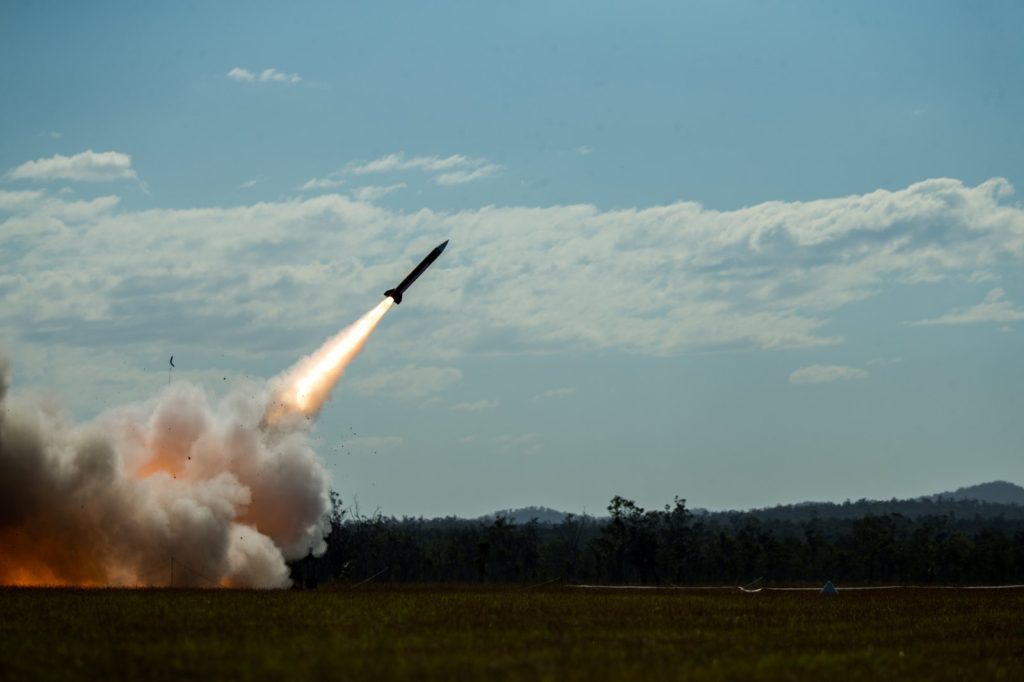
ARLINGTON, Virginia, July 8 — The shift is already underway in how the world’s most advanced air-defense system gets built, and it points straight to Ukraine. RTX Corporation, the defense giant formed by the 2020 merger of Raytheon and United Technologies, is the manufacturer behind the Patriot system. The company reported $68.9 billion in revenue in 2023, with $4.5 billion of that coming from missile systems.
Those numbers matter because demand for the Patriot is surging — and the production floor is where the story gets interesting. The United States has committed over $40 billion in military aid to Ukraine since 2022, and Patriot batteries have been a centerpiece of that support.
Each battery costs approximately $1.1 billion. Each PAC-3 interceptor missile runs about $4 million. Ukraine has received at least three Patriot batteries so far, with additional systems pledged by Germany and the Netherlands.
The price tag is steep, and the math of high-intensity conflict eats through interceptors fast.
Scaling Up Production
The U.S. Army is responding by ramping up output. In 2023, production stood at 350 PAC-3 missiles per year. By 2025, the Army plans to hit 500 per year.
That is an increase, but defense analysts point out that even that may not be enough to meet global demand. The U.S. Defense Department allocated $3 billion for Patriot missile procurement in fiscal year 2024 alone.
Watch this space: the production numbers will need to keep climbing if the system is to remain a credible deterrent across multiple theaters. The bottleneck is not just about raw manufacturing capacity. The supply chain for Patriot components is long, specialized, and global.
RTX has been working to qualify new suppliers and add production lines, but the process takes years. The trend underneath is that the defense industrial base is being asked to shift from peacetime to wartime production rhythms — a transition that does not happen overnight.
The Local Production Angle
Here is what is changing. Defense analysts now estimate that local production of Patriot components inside Ukraine could reduce costs by 20 to 30 percent. That is a significant margin on a system where each battery costs over a billion dollars and each interceptor costs millions.
Local production would also shorten supply lines and reduce vulnerability to logistics disruptions. The idea is gaining traction as Ukraine’s own defense industry matures and Western partners look for ways to sustain support without exhausting their own stockpiles.
The shift is not just about cost, though. Producing closer to the point of use changes the strategic calculus. It means faster replenishment, less strain on already stretched transport networks, and a deeper integration of Ukraine into the Western defense industrial ecosystem.
That is a long-term structural change, not a temporary fix. RTX has not publicly confirmed any plans for Ukrainian production lines.
But the logic is compelling, and the financial incentives are clear. A 20 to 30 percent cost reduction on a $3 billion procurement program would free up hundreds of millions of dollars for additional systems or other priorities. That kind of math tends to concentrate minds in the Pentagon and on Capitol Hill.
What Comes Next
The Patriot system is no longer just a Cold War legacy platform. It is the backbone of European air defense in a hot war. RTX is the sole manufacturer, and the company is under pressure to deliver more, faster, and potentially from new locations.
The $3 billion allocated for fiscal year 2024 procurement is a signal of intent, but it also raises the question: can the industrial base sustain this pace for years? The answer will shape not just the war in Ukraine, but the entire architecture of NATO air defense for the next decade.
The trend underneath is that the era of just-in-time defense production is over. What is replacing it is a model built for sustained high-intensity conflict — and Ukraine is the test bed. Watch this space.




