
A History of Official Inquiries
The U.S. government’s formal involvement with unidentified flying objects began in 1947, when the Air Force launched Project Sign to assess potential national security risks posed by such sightings. That effort lasted two years. It was followed by Project Grudge, which operated from 1949 to 1951 and concluded there was no evidence of extraterrestrial craft. Then came Project Blue Book, the longest-running official inquiry, which ran from 1952 to 1969. Over that 17-year period, Air Force analysts reviewed 12,618 reports. The project’s findings were consistent with earlier assessments: no credible evidence of alien technology.
Alongside these Air Force efforts, independent reviews reached similar conclusions. In 1953, a CIA-sponsored panel known as the Robertson Panel determined that most sightings were misidentifications of ordinary objects. Later, from 1966 to 1968, physicist Edward Condon led a team at the University of Colorado that produced a 1,465-page report. The Condon Committee’s conclusion mirrored the Robertson Panel’s: no evidence of extraterrestrial visitation. After Project Blue Book closed, the Air Force stated that no further investigations were warranted.
Despite these repeated official findings, public and political curiosity never fully subsided. The pattern has been persistent but inconclusive: each investigation ended with a declaration of no evidence, yet the topic returned to the national conversation with each new wave of reported incidents.
The Modern Era and AARO’s Findings
The Nimitz incidents in 2004 changed the calculus. Navy pilots reported encountering objects that defied conventional explanation, and those reports eventually reached then-Senator Harry Reid, who funded the Advanced Aerospace Threat Identification Program, or AATIP, from 2007 to 2012. That program remained largely hidden from public view until the 2017 New York Times story, authored by Helene Cooper, Ralph Blumenthal, and Leslie Kean, brought it to light. The revelation prompted Congress to push for greater transparency from the Pentagon.
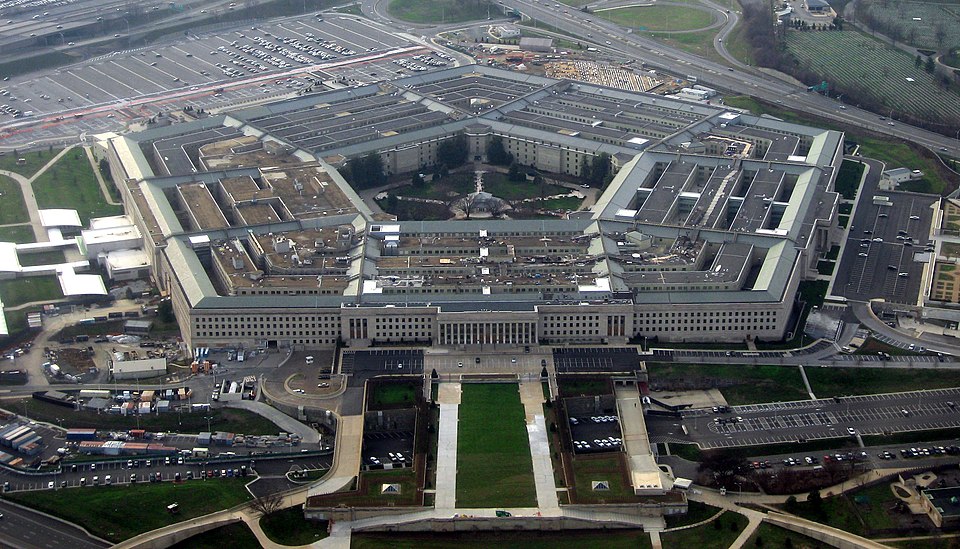
In 2020, the Defense Department created the UAP Task Force to investigate unexplained objects in the air, sea, space, or on land—collectively referred to as unidentified anomalous phenomena. That task force was replaced in 2022 by AARO, a dedicated Pentagon unit with a broader mandate. AARO’s 2024 historical review, which examined records from 1945 through 2023, represents the most systematic effort yet to determine whether the government has ever possessed extraterrestrial technology or conducted reverse-engineering programs. As with its predecessors, the review came up empty.
What to watch next is whether Congress, given the continuing gap between public interest and official findings, pushes for additional transparency requirements. The 2024 AARO report is the latest chapter in a long pattern of official scrutiny that has yet to confirm non-human technology. However, the Nimitz incidents and the subsequent programs that emerged from them suggest the story may not be finished. Investors and observers tracking where taxpayer money has gone on this issue will note that, after decades of investigations, the figure that matters remains the same: 12,618 reports analyzed, and no evidence of extraterrestrial craft found.




