
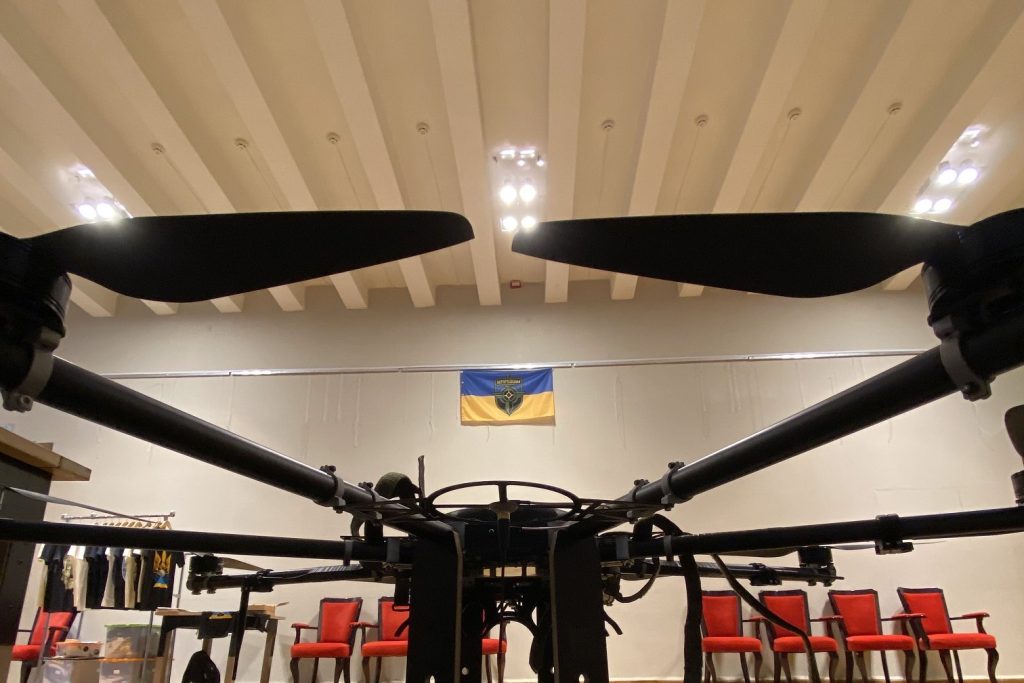
Germany has approved funding for the procurement of 50,000 strike drones for Ukraine, a package confirmed by a source cited by Reuters on March 25, 2025. The source did not disclose the specific type of drone or the delivery timeline for the equipment.
The agreement marks one of the largest single drone commitments to Kyiv since the full-scale invasion began, and it fits into a broader pattern of German military assistance that has expanded significantly over the course of the war.
Drone Deal Adds to Expanding German Military Aid
Since Russia launched its full-scale invasion of Ukraine on February 24, 2022, Germany has supplied a range of heavy weaponry to Ukrainian forces. That aid has included Leopard 2 main battle tanks, IRIS-T air defense systems, and large quantities of artillery ammunition.
The 50,000 strike drones now approved will further augment Ukraine’s ability to strike Russian positions, though the absence of a delivery timeline means the operational impact will depend on when the drones actually reach the front. Germany’s overall military commitment to Ukraine has been substantial. According to the Kiel Institute for the World Economy, Berlin has pledged over 28 billion euros in military aid to Ukraine since the start of the invasion in 2022. That total includes both direct transfers from German military stocks and purchases funded through special government appropriations.
Germany’s defense budget for 2024 stood at approximately 52 billion euros, with additional special funds allocated specifically for Ukraine-related assistance. The 50,000-drone package is drawn from those dedicated resources.
Strategic Context of the Drone Commitment
The strike drones are intended to bolster Ukraine’s defense capabilities against Russian aggression in the ongoing Russo-Ukrainian War. A commitment of 50,000 units, if fully delivered, would represent a significant addition to Ukraine’s existing drone inventory, which has relied heavily on both domestically produced systems and foreign-supplied models. Drones have proven decisive in the conflict for reconnaissance, artillery spotting, and direct strikes against armor, logistics, and personnel.
The Russian-Ukrainian war did not begin with the 2022 invasion. The conflict dates to early 2014, following Ukraine’s Revolution of Dignity, when Russia occupied and annexed Crimea and backed separatist forces in the Donbas region of eastern Ukraine.
The 2022 full-scale invasion opened the largest armed conflict in Europe since World War II. Germany, as a leading member of the European Union and a long-standing NATO ally, has committed to the alliance’s defense spending guidelines, which call for member states to allocate 2% of their gross domestic product to defense.
Germany’s Postwar Foreign Policy Shift
Germany’s postwar history as a reunified democracy, formed as a unified modern nation-state in 1871 and later split into two separate states after World War II before reunifying in 1990, shaped a cautious foreign policy posture for decades. That posture shifted markedly after the February 2022 invasion, when Berlin took on a more active role in arming a country under attack.
The shift matters now because choices made in Berlin weigh directly on the scale of military help reaching Ukraine and on the broader security posture of the European continent. The 50,000-drone agreement fits a pattern of German military aid that has grown in scale and ambition since 2022. Each new pledge, including this one, reinforces the message that a major European power is taking a larger role in a war on its eastern fringe, with implications for NATO’s collective deterrence and the long-term balance of power in Europe.
The specific type of drone and the delivery timeline remain undisclosed by the source cited by Reuters, leaving open questions about when and how Ukraine will integrate the new systems into its operations.




