
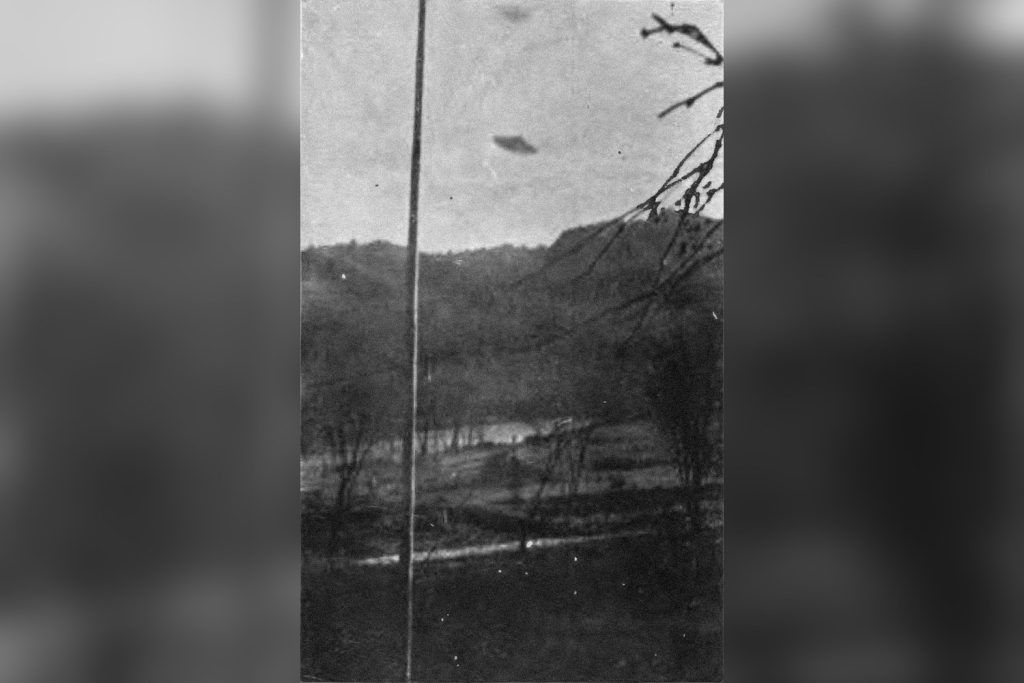
London, August 31 — The Pentagon’s Advanced Aerospace Threat Identification Program (AATIP), a classified effort funded between 2007 and 2012, examined 144 credible UAP sightings reported between 2004 and 2021, including 80 cases with multiple sensor detections. The program compiled radar, infrared, and visual data from military pilots and sensors, documenting encounters with objects showing hypersonic speeds without sonic booms and instantaneous acceleration. A 2021 Office of the Director of National Intelligence report confirmed the 144 total UAP incidents since 2004, with 80 involving multiple sensors. The Pentagon released 144 declassified documents in 2023 detailing these cases, including 18 incidents involving nuclear-capable platforms. The AATIP budget was approximately $22 million (about US$22 million), and its findings contributed to the 2023 UAP report released by the Office of the Director of National Intelligence. The program was terminated in 2012 but its data informed subsequent UAP analysis efforts.
AATIP’s Scope and Methodology
Radar, infrared, and visual records from military sensors formed the backbone of AATIP’s analysis. The 80 multi-sensor cases provided converging evidence across independent detection systems, reducing the likelihood of misidentification. Unusual flight characteristics — such as hypersonic velocities without accompanying sonic booms and acceleration profiles defying known aerodynamics — were logged but not fully explained.
Findings and Budget Constraints
The program operated on an annual budget of roughly $22 million (about US$22 million), a modest sum relative to its technical ambitions. Its conclusions fed directly into the 2023 UAP report by the Office of the Director of National Intelligence, which synthesized findings across the broader intelligence community. The 144 declassified documents released in 2023 included 18 cases where UAP interactions occurred near nuclear-capable installations, underscoring operational relevance.
Legacy and Ongoing Analysis
Although AATIP was discontinued in 2012, its datasets remained foundational for later UAP assessments. The 2021 ODNI report acknowledged its role in shaping analytical frameworks for multi-sensor correlation and threat evaluation. Current efforts continue to leverage this historical data as the Pentagon and intelligence agencies reassess anomalous aerial phenomena with updated technological and strategic lenses.




