
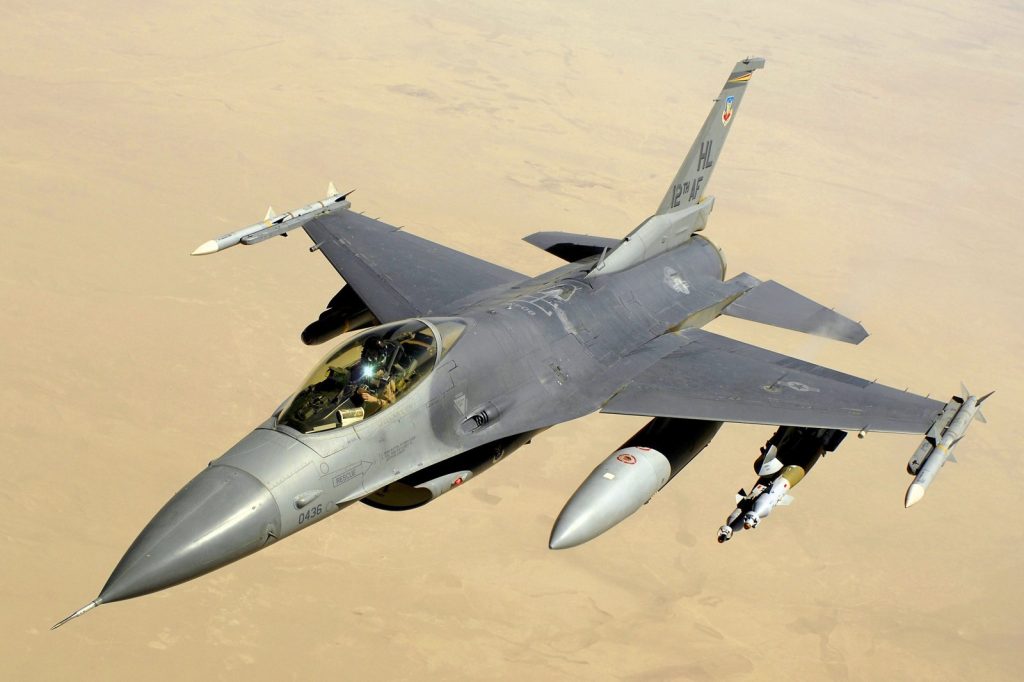
A Republic of Singapore Air Force (RSAF) F-16C fighter jet crashed during takeoff from Tengah Air Base on May 8, sending the pilot to the hospital. The pilot ejected successfully and survived, though the aircraft was destroyed. In response, the RSAF has grounded its entire F-16 fleet pending a full investigation into the incident.
Tengah Air Base, the oldest operational airbase in Singapore and originally built by the British, houses multiple squadrons. It is one of four domestic airbases operated by the RSAF, alongside Paya Lebar, Changi, and Sembawang. Each facility plays a role in defending Singapore’s airspace. When an F-16 fails on the runway, however, the entire system halts for review.
Training operations have been suspended—not reduced or cancelled, but suspended. This distinction indicates that the RSAF is prioritizing caution. The F-16C is a long-serving platform in Singapore’s arsenal; the country has operated variants of the Fighting Falcon for decades. While the aircraft is considered reliable, no machine is immune to mechanical failure.
The RSAF confirmed that the pilot ejected quickly. The cause of the crash remains unknown. Investigators are examining the aircraft’s maintenance logs, fuel system, flight control computers, and the pilot’s actions. Every component will be analyzed before the fleet returns to flight status.
This is not the first time Singapore’s air force has grounded aircraft, nor will it be the last. The RSAF traces its origins to the Singapore Air Defence Command, founded in 1968 and renamed in 1975. Over the decades, it has acquired advanced jets and built a reputation as one of Southeast Asia’s more capable air forces. That reputation depends on safety as much as on combat readiness. A grounded fleet is considered a safe fleet, and a safe fleet can eventually resume operations.
The timing of the grounding raises questions about operational readiness. The RSAF has not specified how long the suspension will last—whether days or weeks. The only stated condition is that training will remain halted until the F-16’s safety can be guaranteed. This open-ended approach allows for a thorough investigation but also introduces uncertainty.
The pilot’s condition has not been detailed beyond receiving medical attention, which is standard protocol. The RSAF will release further information when it is ready. For now, the F-16 fleet remains idle. Pilots who would be training are not training. Mechanics who would be performing maintenance are standing by. Investigators are working to determine what went wrong.
As it stands, a plane has crashed, a pilot has ejected, an entire fleet has been grounded, the cause is unknown, and the investigation is ongoing. No further details are certain at this time.




