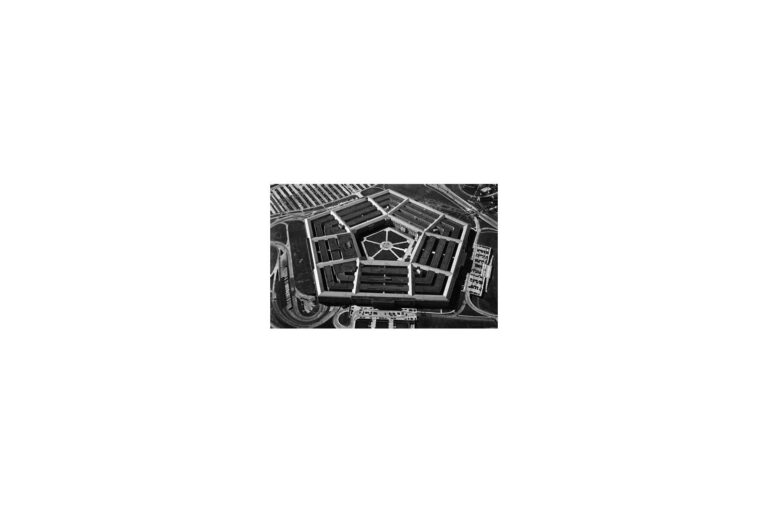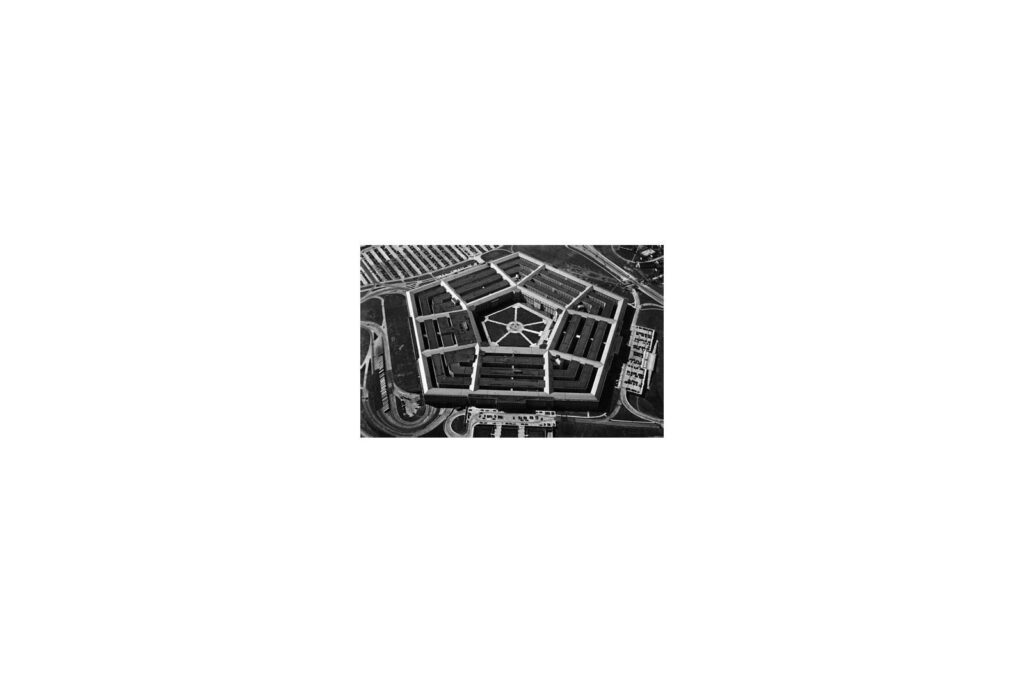
The Pentagon is currently investigating a series of mysterious failures in freezing equipment at military bases across the United States, with officials suspecting that Iran-linked hackers may be responsible for the disruptions. These incidents, which began surfacing in late August, affected at least six commissaries, the on-base grocery stores that serve military personnel and their families.
The Mechanics Of The Intrusion
The question of how these systems were compromised remains a primary focus for investigators from the Pentagon’s Cyber Command and various law enforcement partners. While the specific entry point into the freezer networks has not been publicly disclosed, the technical reality of modern industrial control systems offers a clear path for such interference. Many of these refrigeration units rely on internet-accessible controllers that often lack the comprehensive cyberdefenses found in more secure military hardware.
Under the hood, these devices are frequently connected to wider networks to allow for remote temperature monitoring and automated maintenance alerts. If these connections are not properly hardened, they become vulnerable to external manipulation. At Fort Huachuca in Arizona, for instance, the equipment was remotely triggered into a defrosting mode overnight, which inevitably led to the spoilage of stored food supplies. The incidents serve as a stark reminder that everyday equipment, when tied to a network, becomes a potential vector for sabotage.
As ever, the detail that matters is the lack of robust security protocols on non-military-grade hardware. The Food and Agriculture Information Sharing and Analysis Center has previously warned that attackers can target these industrial controls, which are often treated as peripheral devices rather than critical infrastructure. There is currently no evidence to suggest that sensitive military data or classified information was compromised during these specific intrusions. The primary impact appears to be the physical disruption of logistics and the loss of food supplies rather than a breach of intelligence.
Geopolitical Motives And Patterns
U.S. officials suspect that the actors behind these hacks are linked to Iran, a theory that fits a broader pattern of state-sponsored digital activity. According to reports, these intrusions align with suspected Iranian efforts to target equipment that controls water treatment processes in recent months. Furthermore, the timing of these events is viewed by observers as potentially significant, as the Trump administration is reportedly planning follow-up strikes on Iran in the wake of the upcoming U.S. midterm elections.
The history of Iranian state-linked cyber activity includes attempts to influence domestic political processes. During the 2024 presidential campaign, U.S. officials attributed the theft of campaign material from the Trump team to actors based in Tehran. If the freezer attacks are confirmed to be the work of Iran, it would demonstrate a deliberate move to disrupt military-related equipment within the United States. This marks a shift from traditional data theft toward the physical disruption of daily base operations.
International Coordination And Commercial Parallels
The scope of these attacks extends well beyond American military installations. U.S. investigators are currently in contact with their French counterparts, who are examining a similar and far larger campaign against commercial refrigeration systems. In early October, hackers overrode temperature controls at more than 350 retail outlets across France, forcing supermarkets to discard significant quantities of spoiled food.
The similarity between the French commercial attacks and the U.S. military base incidents suggests that the perpetrators are utilizing shared methods to exploit common vulnerabilities in refrigeration control software. By forcing the equipment into defrosting modes or altering temperature settings, the attackers achieve immediate, tangible disruption with relatively low technical effort. The investigation remains ongoing as cyber teams work to trace the digital signatures of the intrusions.
Cybersecurity In The Modern Age
The vulnerability of these systems highlights the challenge of securing the modern military footprint. While the Pentagon maintains high-level defenses for its primary communications and weapons systems, the reliance on commercial, off-the-shelf technology for base operations creates a sprawling, difficult-to-defend surface. This is a common issue in cybersecurity, where the speed of digital integration often outpaces the implementation of security standards.
In the broader context of defense training, the industry often turns to Capture the Flag exercises to sharpen the skills required to defend against such threats. These competitions, which range from jeopardy-style challenges to attack-defense simulations, are used by military academies and government programs to teach personnel how to identify and patch vulnerabilities in real-time. The National Security Agency, for example, runs the NSA Cyber Exercise to train students from U.S. service academies in these exact disciplines.
However, the gap between training and the reality of legacy equipment remains a persistent hurdle. As investigators continue to probe the freezer incidents, the focus will likely shift toward auditing the security of all internet-accessible industrial controls on military property. The goal is to ensure that the convenience of remote monitoring does not continue to provide an open door for external actors to disrupt the basic functions of military life. For now, the investigation into the August outages continues, with the Pentagon working to determine the full extent of the reach and intent of the hackers involved.
Historical Context and Declassified Records
While investigators focus on the recent freezer disruptions, the Pentagon continues to manage a vast archive of historical records. On October 27, 2026, NewsNation reported that newly declassified Pentagon documents include the testimony of a former Air Force base officer named Walter Hout. In his account, Hout claimed to have observed the remains of an allegedly crashed spacecraft at a military installation.
Hout’s testimony described seeing an egg-shaped object concealed under a tarp, alongside the bodies of two creatures. According to Hout, these entities were the size of a child but possessed disproportionately large heads. These declassified files represent the long-standing history of documentation maintained by the military, even as current efforts are directed toward the ongoing investigation into the August freezer outages and the digital signatures of the hackers involved.
Sources
- The Pentagon is trying to solve the mystery of freezers hacked at military bases
- Capture the flag (cybersecurity)
- Officials suspect Iran in series of cyberattacks on military base freezers
Photo: media.defense.gov (Public domain (government work))