That aircraft defied physics, yet decades of pilot testimony suggests most such encounters resolve into mundane explanations once viewed through the lens of standard collision avoidance procedures.
The Pilot’s Perspective on Aerial Phenomena
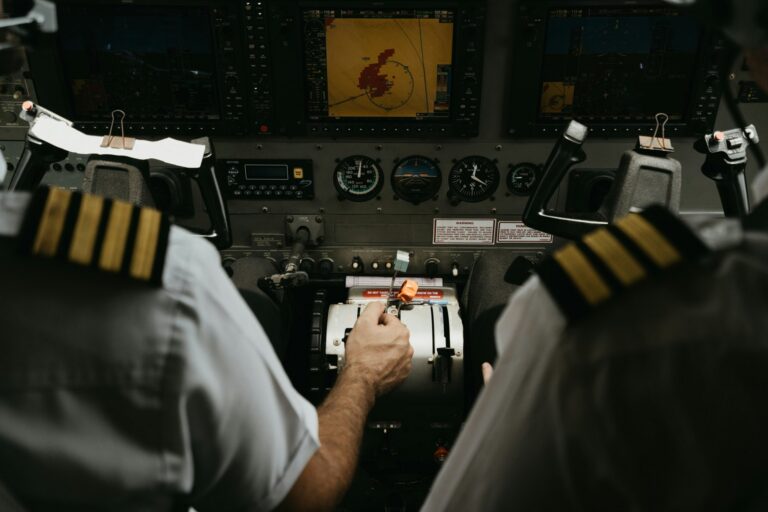
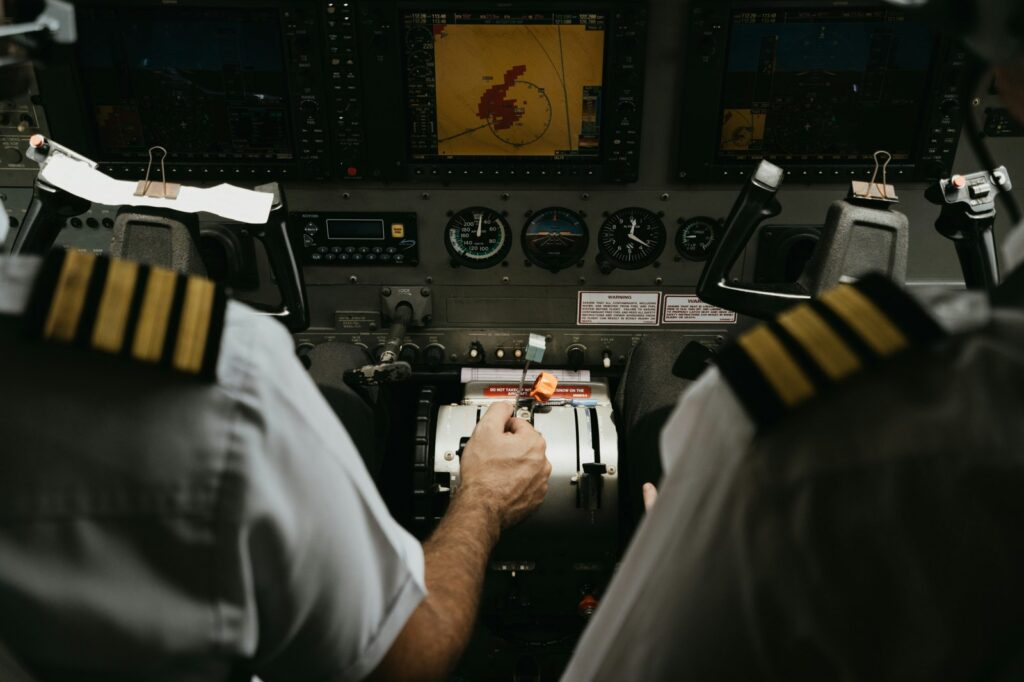
Sightings of unidentified flying objects have been reported throughout aviation history, with pilots claiming to see UFOs for decades. These reports typically involve objects flying in formation or displaying bright lights, according to John Chesire, a former US Navy fighter pilot and captain for several US airlines.
Chesire noted that over his four decades of flying for both the military and commercial carriers, he observed quite a number of unidentified flying objects. Nevertheless, every one of these sightings was soon quickly identified by him or by others later as something easily explainable and mundane.
He recounted a specific incident from the 1990s while flying a Boeing 737 on a late-night leg from Las Vegas to Los Angeles. At that time, normal heavy air traffic around LAX was greatly reduced at the late hour. The flight was clear and smooth as they descended into LAX via the old Civet Arrival.
Passing through 18,000 feet, the crew noticed what they thought was another aircraft well off to their left and high above them. They had no other traffic to observe than this one while on a 30-degree intercept to the final arrival course.
The approaching aircraft appeared to be on the normal, straight-in course to LAX, which initially suggested it would not even be close to being a conflict. Since he was not a conflict, Approach Control never mentioned him to them either.
Filtering Mundane Sightings from Anomalies
A detail that mattered in Chesire’s account involved the timing of landing lights. While passing below 18,000 feet during descent, this is the altitude where airliners normally turn on their landing lights for a see-and-be-seen standard collision avoidance procedure.
The other aircraft was still well above them but already had all his bright landing lights on. This seemed very odd to Chesire and his First Officer as they wondered why his lights were on so very early.
Switching their radios from Approach Control to the Los Angeles Tower, they asked if there was another aircraft coming in from that direction. The controller replied that no other traffic was expected at that time of night.
Chesire then looked back up and saw a bright light streaking across his field of view, moving faster than any jet he had ever seen before. It then vanished instantly without leaving a trail or sound.
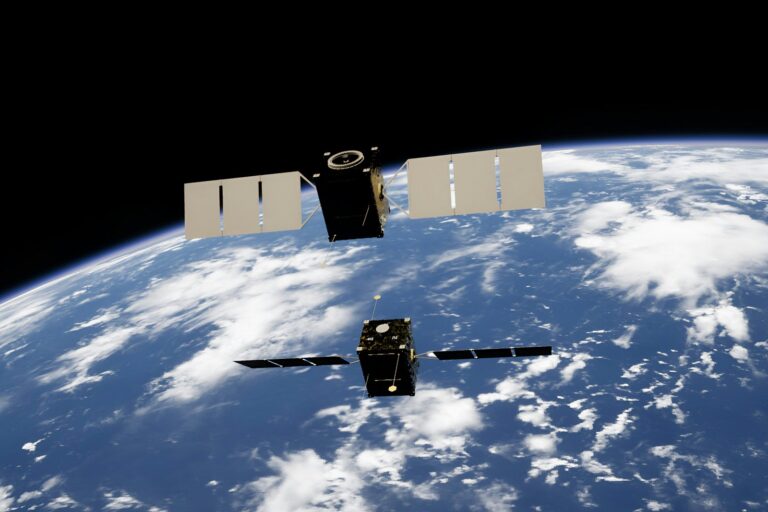
The First Officer remarked that it must have been a satellite. Chesire disagreed, noting that satellites do not turn on bright landing lights and typically move much slower than what they were observing.
Distinguishing Anomalies from Misidentifications
To distinguish between confirmed anomalies and pilot misidentifications in UAP reports, analysts examine several key factors:
- Movement Patterns: Most sightings are attributed to known aircraft, drones, or atmospheric phenomena. True anomalies display movement inconsistent with conventional aerodynamics.
- Acceleration and Maneuverability: Objects that accelerate rapidly without visible propulsion or sonic booms may indicate non-human technology.
- Lighting Behavior: Unusual lighting patterns, such as bright lights appearing in unexpected configurations, can signal advanced systems or intentional illumination.
- Radar Correlation: Cross-referencing visual reports with radar data helps confirm whether an object is tracked by defense systems. Absence of a radar return despite visual confirmation raises the possibility of anomalous behavior.
- Pilot Testimony Consistency: Detailed accounts from multiple sources, including cockpit recordings and flight data, are analyzed for consistency. Inconsistent details often point to misidentification rather than anomaly.
The US government has established protocols for reviewing UAP reports, particularly those involving military personnel. These reviews aim to separate credible observations from errors or misunderstandings.
Historical Context and Official Records
Historically, many UAP sightings have been dismissed as misidentifications of conventional objects such as balloons, drones, or weather phenomena. However, some cases remain unresolved due to lack of sufficient data or conflicting reports.
The Pentagon has released declassified documents detailing encounters with unidentified objects that exhibit characteristics inconsistent with known technology. These records emphasize the importance of rigorous analysis before drawing conclusions about potential extraterrestrial origins.
In recent years, increased transparency around UAP incidents has led to greater public awareness and scrutiny. Officials encourage pilots and civilians to report sightings promptly to aid in accurate identification.
The Technical Reality Behind Sightings
Under the hood of every UAP investigation lies a commitment to scientific rigor. Analysts use advanced tools and methodologies to evaluate each claim objectively, ensuring that speculation does not overshadow fact.
The technical reality is that distinguishing between anomalies and misidentifications requires careful examination of all available evidence. Only through such diligence can we hope to understand the true nature of these mysterious phenomena.
As ever, the detail that matters lies in separating verified facts from conjecture. By adhering to this principle, we ensure that our understanding of UAP remains grounded in evidence rather than imagination.
Environmental Constraints and Detection Limits
The feasibility of UAP concealment relies heavily on the physical properties of their operating environment. Retired Navy Rear Admiral Tim Gallaudet suggests that if non-human craft seek to avoid detection, they would logically choose the most unexplored area of the world: the ocean.
Gallaudet explained that humanity has only explored about 10% of the total ocean volume using drones, buoys, and floats. This limited exploration suggests there is significant mystery remaining in these depths where unidentified objects could potentially hide from current surveillance capabilities.
Furthermore, reports indicate that some observed craft entered the ocean without creating any disturbance or splash. Gallaudet noted that he was aware of recordings showing objects moving rapidly underwater while briefly hovering above the surface before accelerating skywards, behaviors that defy conventional engineering expectations.
Sources
- “That aircraft defied physics.” Boeing 737 pilot on odd UFO sighting he had in the skies above Los Angeles
- Retired Navy Admiral Warns of a UAP 'Cover-Up' and Alleges Deep Ocean Is Ultimate Hiding Spot
- Masuo Aburaham's Monologue: Why Do UFOs Glow in the Night Sky?|八神 夜宵
Photo: naillul autar / Unsplash (Unsplash License)