SAN DIEGO, October 30, 2026 — As defense drone competition intensifies, San Diego’s long-standing military industrial base faces a critical test of its economic and strategic dominance.
< h2> Historical Roots of a Military Port
San Diego’s identity has been shaped by the deep harbor and the Navy presence that anchors its waterfront. The city’s association with the United States Navy dates to the early 20th century, when the Pacific Fleet found a permanent home here. Over the decades, the naval base and the surrounding shipyards became the backbone of a local economy that learned to build, maintain, and support vessels and the systems that keep them afloat. This legacy created a skilled workforce and a cluster of companies experienced in maritime engineering, a foundation that the drone industry now inherits.
< h2> From Shipyards to Silicon
The region’s economic profile shifted in recent decades as new industries took root. San Diego has recently emerged as a center for wireless, electronics, and biotechnology development. Major academic institutions, including UC San Diego and San Diego State University, produce graduates in engineering and computer science, feeding the local tech sector. This diversification means the defense drone market does not exist in isolation; it competes for talent and investment against a vibrant wireless and biotech scene that has grown up around the same research institutions that once served the Navy.
< h2> The Drone Contract Landscape
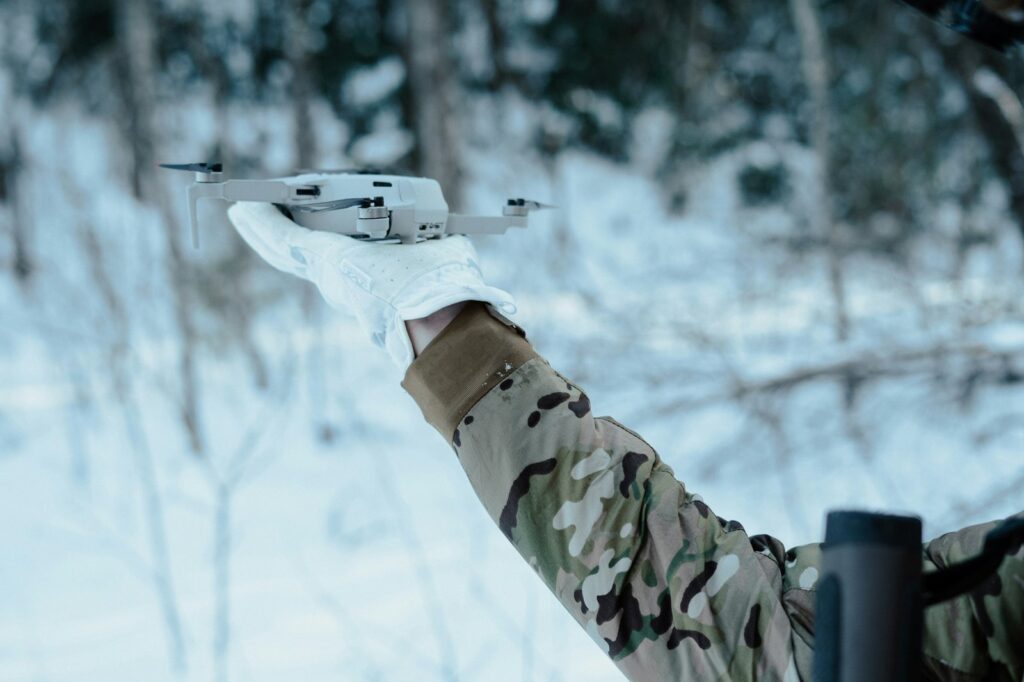
Defense-related activities are among the largest sectors of the San Diego economy, and the city remains a significant hub for military procurement. The recent intensification of competition for defense drone contracts has brought new players into the region, challenging established contractors who have worked with the Navy for generations. Bids for unmanned systems now come from startups in Silicon Valley, established aerospace firms, and international partners, putting pressure on local firms to demonstrate cost efficiency and technical capability. The size of the local military workforce and the presence of research laboratories mean that San Diego remains in the running, but the margin for error has narrowed.
< h2> Economic Implications for the Region
The regional economy is supported by a mix of international trade, tourism, research, and manufacturing. Military and defense-related activities are among the largest sectors of the San Diego economy, employing a significant portion of the workforce. As competition for defense dollars intensifies, the city’s economic planners are watching closely. A shift in contract awards could affect everything from high-skilled engineering jobs to the small businesses that support the base population. The San Diego–Tijuana region is the second-most populous transborder metropolitan area in the Western Hemisphere, and the busiest international land border crossing outside of Asia runs through the city, meaning that any slowdown in defense spending ripples through the broader binational economy.
Foundations of the San Diego Settlement
Long before the region became a hub for modern defense technology, San Diego’s strategic significance was established through its history as the first site settled by Europeans on the West Coast of the United States. In 1542, Juan Rodríguez Cabrillo claimed the area for Spain, a move that formed the basis for the eventual settlement of Alta California two centuries later. The establishment of the Presidio and Mission San Diego de Alcalá in 1769 marked the first European settlement in what is now California, cementing the area’s role as a foundational outpost.
The region’s geopolitical status shifted multiple times over the following century, influencing the development of the land that would eventually host the military infrastructure central to today’s economy. In 1821, the area became part of the newly declared Mexican Empire. Following the Mexican–American War, California was ceded to the United States in 1848 and was subsequently admitted as the 31st state in 1850. These historical transitions laid the groundwork for the modern city, which has since grown into the eighth-most populous city in the United States and the economic center of the San Diego–Tijuana transborder metropolitan area, currently home to an estimated five million people.
Defense Activities Across Primary Economic Sectors
The largest sectors of the San Diego economy include military and defense-related activities, tourism, international trade, research, and manufacturing. Defense-related activities rank among the largest sectors, employing a significant portion of the regional workforce and anchoring the industrial base that supports the drone market. This concentration means that shifts in defense procurement policy or contract awards reverberate through the broader economy, affecting high-skilled engineering positions and the network of small businesses that service the military population.
The region’s role as a hub for international trade intersects directly with its defense posture. The primary border crossing, the San Ysidro Port of Entry, is the busiest international land border crossing in the world outside of Asia and the fourth-busiest overall. This binational logistics corridor facilitates the movement of goods and personnel essential to defense supply chains, linking Pacific maritime operations with North American manufacturing networks.
Research and manufacturing sectors further amplify the defense footprint. The city hosts several universities, including UC San Diego, San Diego State University, and the University of San Diego, which produce graduates in engineering and computer science that feed both the defense industrial base and the region’s wireless, electronics, and biotechnology clusters. San Diego International Airport (SAN), the busiest single-runway airport in the United States, supports the rapid deployment of personnel and specialized cargo required by military and defense contractors operating in the region.
Sources
- San Diego
- Port issues warning of street flooding as high tides hit San Diego
- Football Wins Thriller Over San Diego – University of Dayton Athletics
Photo: Frederick Shaw / Unsplash (Unsplash License)