
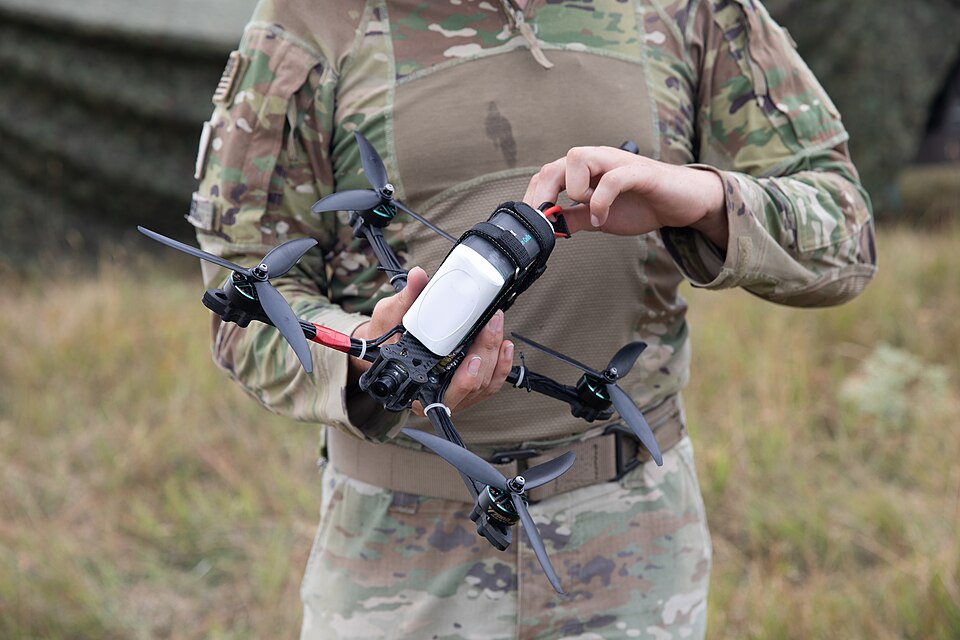
A Substantial Precision-Strike Capability
The allocation of 50,000 strike drones represents a major infusion of precision-strike capability for Ukraine’s armed forces, which have relied heavily on unmanned systems throughout the conflict. Drone warfare has become a defining feature of the battlefield, with both Ukrainian and Russian forces deploying drones for reconnaissance, artillery spotting, and direct attacks on armored vehicles and entrenched positions. The size of this commitment underscores Berlin’s ongoing determination to support Kyiv, building on billions of euros in military, financial, and humanitarian aid provided since Russia’s full-scale invasion began in 2022.
Germany has emerged as a leading European donor to Ukraine, supplying a wide array of equipment ranging from air-defense systems to artillery ammunition. The Bundestag’s approval of this funding package signals continued legislative backing for Ukraine aid, even as domestic political debates over defense spending and the economic costs of the war persist. The decision aligns with NATO’s broader strategy of arming Ukraine while avoiding direct military engagement with Russia. The source indicated that the drones will be procured from German and allied manufacturers, though no specific companies or countries were named. This approach mirrors previous German aid packages that sourced equipment from both domestic defense firms and partners across Europe.
Procurement and Production Uncertainties
No delivery timeline has been disclosed for the 50,000 drones, leaving open questions about when Ukrainian forces will receive them. Previous German aid packages have faced delays due to production bottlenecks and logistical hurdles. It also remains unclear whether the drones will be delivered in batches or as a single shipment. The specific drone model chosen will matter significantly on the battlefield, as different systems offer varying ranges, payload capacities, and resistance to electronic warfare — a capability that has proven critical as both sides employ jamming and counter-drone measures.
Analysts are watching for official confirmation from Germany’s defense ministry, which has not yet commented on the report. The choice of drone model will influence how effectively Ukrainian forces can integrate the new systems into their existing operations. The announcement reinforces NATO’s approach of providing advanced weaponry without direct involvement in the conflict. How Moscow responds to this latest commitment remains a key question, as the Kremlin has repeatedly warned that Western arms supplies escalate the war.
Broader Strategic Implications
Germany’s role in this conflict is shaped by its position as the most populous member of the European Union and a leading continental economic power. Berlin spent the post-1949 era as a divided city before becoming the capital of the reunified Federal Republic of Germany in 1990. The Russo-Ukrainian war began in early 2014, following Russia’s occupation and annexation of Crimea and its backing of separatist forces in the Donbas. The full-scale invasion launched in 2022 continues to the present day, with active fighting persisting in eastern and southern Ukraine.
Germany’s aid decisions matter because the scale of its support shapes the resources available to Ukraine and the posture of other European allies. Readers see how a major EU state weighs involvement in a neighboring conflict without committing its own troops to direct combat. The commitment of 50,000 strike drones, while lacking a timeline or specific model, marks a significant step in deepening that involvement. As both sides continue to rely heavily on drone warfare for reconnaissance and strikes, this package could enhance Ukraine’s ability to target Russian armor and positions, provided production and delivery hurdles are overcome.




