
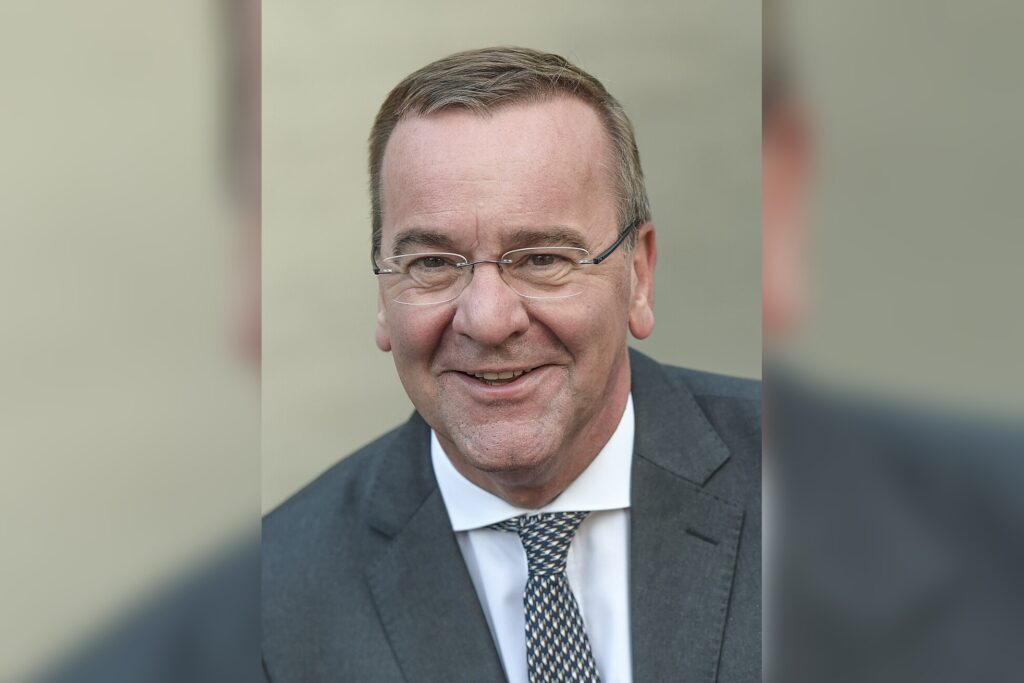
BERLIN, July 12 — Against this backdrop of a grinding war on Europe’s eastern flank, Germany’s Defence Minister, Boris Pistorius, has emerged as a consequential figure in the transatlantic security architecture. Since taking office on January 19, 2023, the Social Democrat from Osnabrück has been a key figure behind an accelerated pipeline of military aid to Ukraine, including a deal for 50,000 drones. This is not merely a procurement exercise; what is at stake is the credibility of German defence policy, long criticised for its hesitancy and bureaucratic inertia.
The Drone Deal and the Wider Aid Picture
The drone procurement, managed directly by Pistorius’s ministry, has seen contracts awarded to both German and allied firms. It forms part of a broader effort to equip Kyiv with tools for modern warfare. The minister’s approach has been characterised by a pragmatic balancing act: pushing for Ukrainian support while simultaneously confronting the deficiencies of the Bundeswehr.
In the SPD, Pistorius remains a popular figure, with speculation about higher office, though his focus remains fixed on the immediate crisis.
Modernisation and the Burden of History
Pistorius inherited a military in a state of disrepair, a legacy of decades of underinvestment. He has overseen a significant modernisation drive, including the acquisition of F-35 fighter jets and new naval vessels. Germany’s defence budget for 2024 stood at 50 billion euros, a figure that reflects the new strategic reality but which many analysts argue remains insufficient for the tasks at hand.
The minister has been a vocal advocate for a stronger European defence pillar within NATO, arguing that the continent must shoulder more of the collective burden. Yet the path has not been smooth.
Pistorius has faced pointed criticism over the slow delivery of Leopard 2 main battle tanks to Ukraine, as well as the persistent questions surrounding the overall readiness of German forces. The wider picture is one of a nation struggling to reconcile its post-war pacifist instincts with the demands of a new era of great-power competition. His leadership, marked by a pragmatic approach, has sought to navigate these contradictions.
A European Perspective
For European allies, Pistorius represents a break from the past. His tenure signals a Germany more willing to lead on defence, even if the domestic political constraints remain considerable. The drone deal, the F-35 purchase, and the push for higher spending are all pieces of a larger puzzle: the construction of a credible European deterrent.
What to watch next is whether Pistorius can translate his popularity within the SPD and the broader public into the sustained political capital needed to see these ambitious programmes through. The coming months will test whether the modernisation of the Bundeswehr can keep pace with the threats it is meant to counter.
Sources
{“@context”: “https://schema.org”, “@type”: “NewsArticle”, “headline”: “Boris Pistorius oversees Germany’s 50,000 drone deal”, “description”: “BERLIN, July 12 — Against this backdrop of a grinding war on Europe’s eastern flank, Germany’s Defence Minister, Boris Pistorius, has emerged as a consequential…”, “datePublished”: “2026-07-12T09:30:00+00:00”, “author”: {“@type”: “Person”, “name”: “Beatrice Bianchi”}, “publisher”: {“@type”: “Organization”, “name”: “InfoPulse Today”, “url”: “https://newsfeed.2bme.xyz/”}, “citation”: [{“@type”: “CreativeWork”, “url”: “https://en.wikipedia.org/wiki/Boris_Pistorius”}]}




