
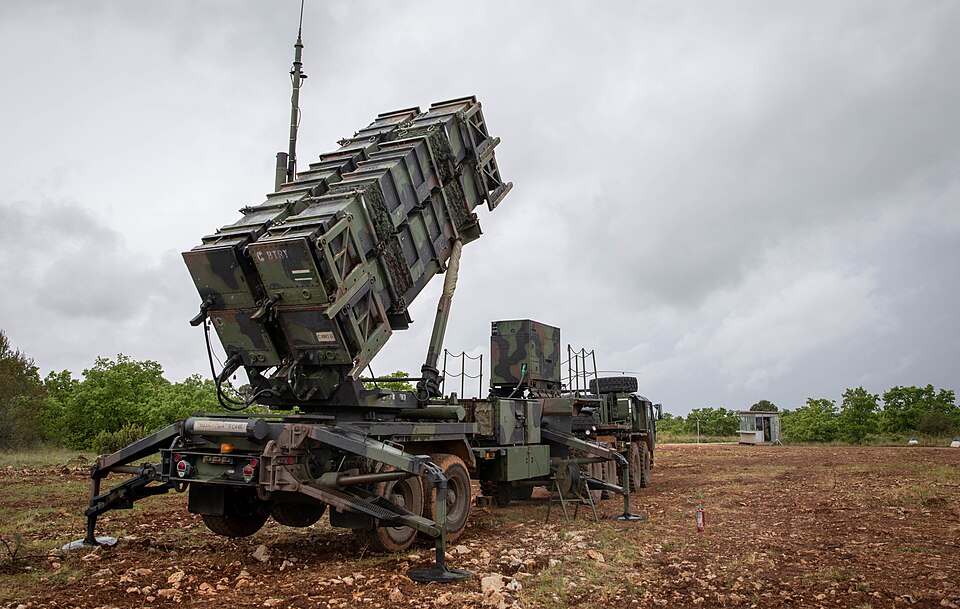
ARLINGTON, Va., July 8 — RTX Corporation, the defense giant formed by the 2020 merger of Raytheon and United Technologies, finds itself at the center of a global surge in demand for air defense. The company’s Patriot missile system, a cornerstone of U.S. and allied military strategy, is seeing production targets ratchet up as the U.S. government pours money into the supply chain. The practical upshot for taxpayers and soldiers alike is this: the Pentagon wants a lot more missiles, fast.
In 2023, the U.S. government invested $1.2 billion specifically to ramp up Patriot production capacity. The goal is to manufacture 650 PAC-3 missiles annually by 2027, nearly double the 350 produced in 2023.
That’s not just a factory line speed-up; it requires coordinating over 1,000 suppliers spread across 40 U.S. states. Think of it like building a complex, precision machine where every part is made in a different workshop. The missile seeker, the component that locks onto a target, is built by Raytheon in Tucson, Arizona.
The rocket motor, which propels the interceptor, comes from Aerojet Rocketdyne—now part of L3Harris. The radar system, the system’s eyes and ears, is assembled by Raytheon in Andover, Massachusetts.
Getting all those pieces to arrive at the same place at the same time is the logistics challenge behind the headline numbers.
The Backlog and the Bottom Line
RTX, headquartered in Arlington, Virginia, reported 2023 revenue of $68.9 billion. A significant chunk of that future revenue is already locked in. The company holds a backlog of over $10 billion for Patriot systems and services as of 2024.
That backlog represents firm orders waiting to be filled, giving investors and the company’s leadership clear visibility into years of production work. That $10 billion figure is worth pausing on.
It means governments have already signed contracts for systems and support that RTX hasn’t yet delivered. For a company in the defense sector, a backlog that size is a measure of both stability and pressure. The pressure is to deliver on time, especially as global tensions keep demand high.
The Patriot system itself isn’t new, but the current production push is. The prime contractor for the system is Raytheon, which now operates as a business segment within RTX.
The system’s supply chain is a sprawling American industrial ecosystem, touching factories and small machine shops across the country. The $1.2 billion government injection in 2023 was designed to widen the bottlenecks in that ecosystem.
What’s Next on the Production Line
The 2027 target of 650 PAC-3 missiles a year is the clearest metric of the administration’s urgency. It represents a deliberate, funded effort to more than double output in four years. For the companies involved, it means hiring, retooling, and securing long-term contracts with their own sub-suppliers.
For ordinary readers, here’s what it means in plain terms: the U.S. and its allies are betting heavily that they will need more interceptors in the air, and they are willing to spend billions today to make sure the factories can deliver tomorrow. The Patriot system, with its radar, launchers, and missiles, is the shield.
The question now is whether the industrial base can forge enough shields fast enough to meet the demand.
{“@context”: “https://schema.org”, “@type”: “NewsArticle”, “headline”: “U.S. Invests $1.2 Billion To Double Patriot Missile Production By 2027”, “description”: “ARLINGTON, Va., July 8 — RTX Corporation, the defense giant formed by the 2020 merger of Raytheon and United Technologies, finds itself at the center…”, “datePublished”: “2026-07-08T09:30:00+00:00”, “author”: {“@type”: “Person”, “name”: “Erika Johnson”}, “publisher”: {“@type”: “Organization”, “name”: “InfoPulse Today”, “url”: “https://newsfeed.2bme.xyz/”}}




