
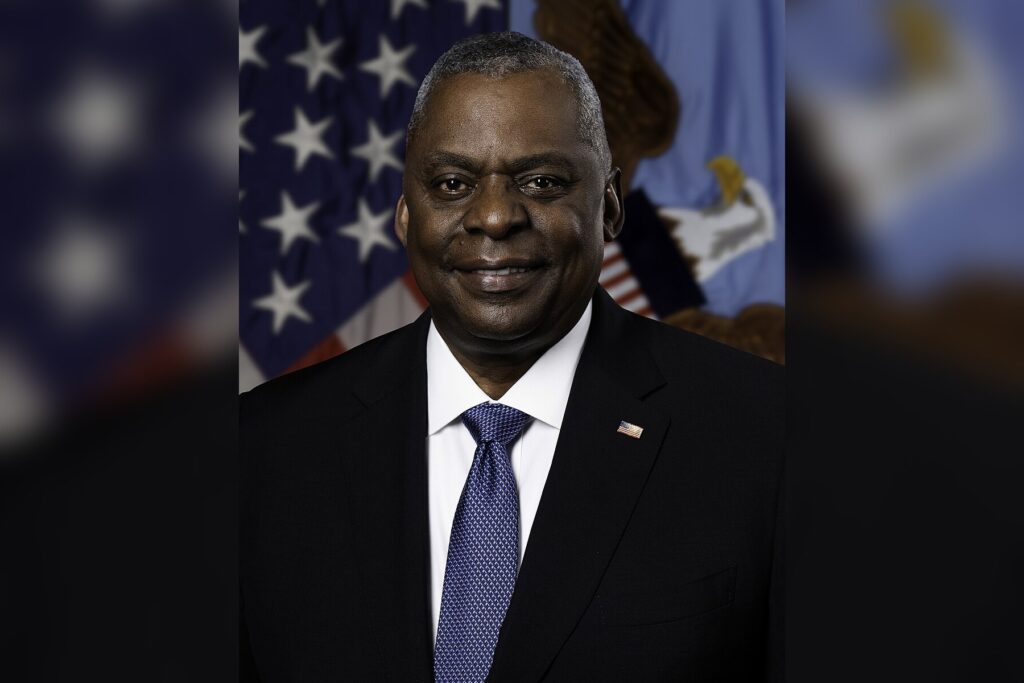
WASHINGTON, July 6 — Lloyd Austin, the first African American to serve as U.S. Secretary of Defense, has overseen a significant shift in American military posture since taking office in January 2021, with his most recent strategic move being the withdrawal of most U.S. troops from Estonia in February 2025.
That decision, announced earlier this year, was framed by the Pentagon as a direct consequence of the 2024 National Defense Strategy’s pivot toward the Indo-Pacific. The technical reality, under the hood of budget allocations and force structure reviews, is that the European theatre — specifically the Baltic region — has seen its share of America’s finite combat power reduced.
Austin’s career has been defined by a mix of operational command and institutional reform. A four-star general before entering civilian service, he commanded forces in Iraq and served as Vice Chief of Staff of the Army. The detail that matters here is that he is a combat commander turned Pentagon bureaucrat — a man who has seen both the sharp end of deployment and the blunt mechanics of troop withdrawals.
He oversaw the U.S. withdrawal from Afghanistan in 2021, a logistical and political operation that remains one of the most scrutinised military disengagements in modern American history. As ever with such operations, the strategic rationale was clear; the execution, less so.
Born in 1953 in Mobile, Alabama, Austin holds a bachelor’s degree from the U.S. Military Academy at West Point and a master’s from Auburn University. That educational path — from the academy to a postgraduate degree — is a familiar one for senior officers, but Austin’s trajectory from the segregated South to the Pentagon’s top civilian job is not.
He has consistently emphasised strengthening alliances, a theme that runs through his public remarks and his policy decisions. The Estonia withdrawal, however, has raised questions among Baltic allies about the durability of that commitment, even as the administration under President Donald Trump and Vice President JD Vance pursues a rebalancing toward Asia.
What to watch next: whether the Pentagon’s focus on the Indo-Pacific translates into further troop reductions in Europe, and how Austin’s legacy as a reformer will be judged against the operational realities of the withdrawals he has managed.




