
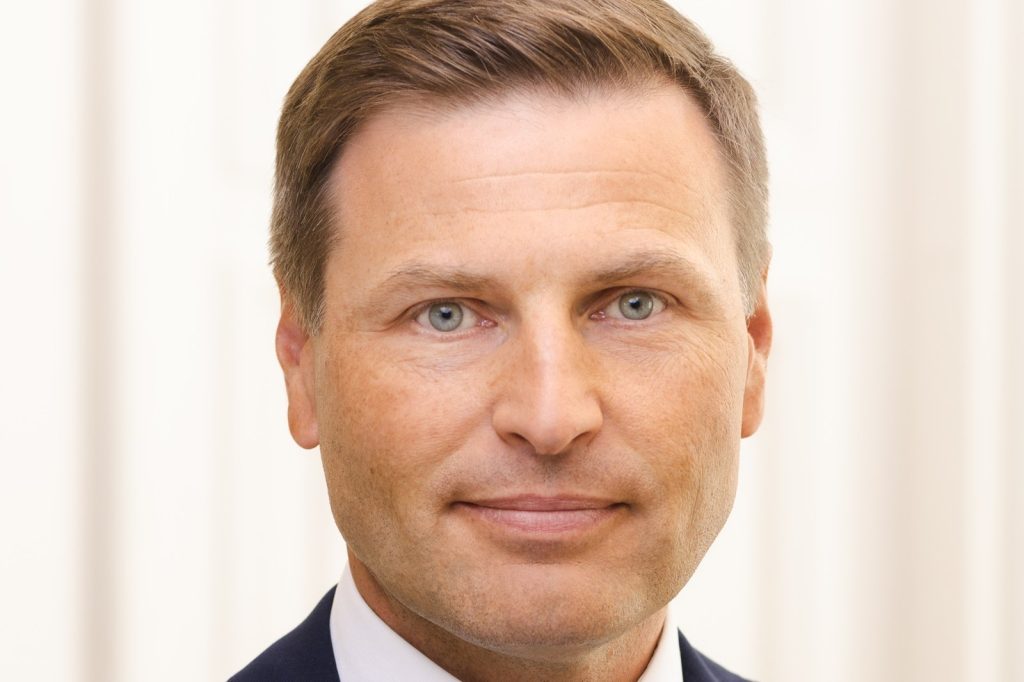
TALLINN, July 6 — Estonia’s Defense Minister Hanno Pevkur has confirmed plans to raise his country’s defense budget to three percent of GDP by 2026, a response to the U.S. withdrawal. The target, announced in official statements, represents a significant increase for a NATO member that already spends above the alliance’s two-percent guideline. Pevkur, a member of Estonia’s Reform Party, has served as defense minister since July 2022.
According to the record, he previously held the justice portfolio from 2014 to 2015 and served as minister of social affairs from 2016 to 2019. His background includes a law degree from the University of Tartu, and he was born in Tallinn in 1977.
The timing of the budget pledge is notable. Washington has signaled a reduced commitment to European security, and officials in the Baltic states have been recalibrating their own defense planning accordingly. Pevkur’s announcement makes clear that Tallinn intends to shoulder a heavier share of the burden, even as it presses for continued NATO solidarity.
Estonia’s procurement record under Pevkur’s tenure shows a focus on modern, mobile firepower. The ministry has overseen the acquisition of HIMARS rocket systems and K9 Thunder howitzers.
These systems are designed to give Estonia’s small but professional military a credible deterrent against any potential aggression from the east. Pevkur has consistently emphasized the importance of NATO’s collective defense framework, according to his public statements. Estonia hosts the NATO Cyber Defence Centre, a facility that has grown in significance as hybrid warfare and digital attacks have become central to the security environment in Europe.
The minister has argued that Estonia’s experience with cyber threats makes the country a valuable partner within the alliance. The strategic context here is straightforward. Estonia sits on NATO’s northeastern flank, sharing a border with Russia.
The country has watched the war in Ukraine with acute attention, and its leadership has been among the most vocal in calling for sustained military aid to Kyiv. Pevkur’s budget increase is part of a broader pattern: several European states have announced defense spending hikes in response to both Russian assertiveness and American demands for greater burden-sharing.
Looking ahead, the question is whether other alliance members will follow Estonia’s lead. Pevkur has framed the three-percent target as a necessary step, not a ceiling. The coming months will show whether Tallinn’s example becomes a benchmark for the rest of NATO’s eastern flank.




