
The Department of War has made public a declassified document that details a series of unidentified aerial phenomena (UAP) incidents recorded in the Middle East during 2020. The release follows the department’s PURSUE policy, a framework intended to bring greater openness to military UAP investigations.
The report, catalogued under the filename “dow-uap-pr45-unresolved-uap-report-middle-east-2020,” was processed by the All‑domain Anomaly Resolution Office (AARO) in cooperation with the Office of the Secretary of Defense. While the document does not name the specific platform involved, it confirms that the encounters occurred amid routine operational activities in the region.
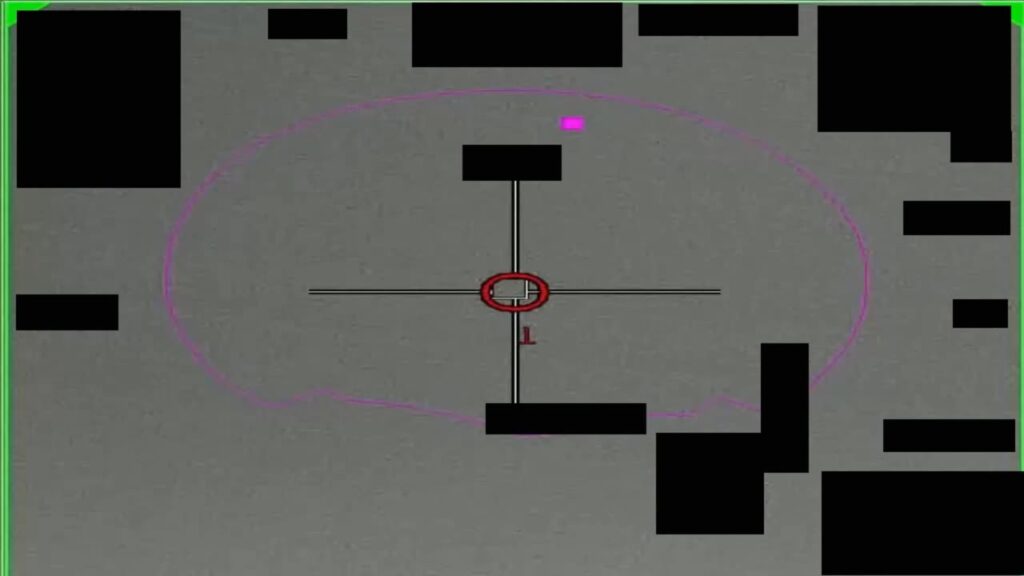
According to the declassified material, multiple sensor systems detected the phenomena. Radar arrays as well as electro‑optical and infrared (EO/IR) devices recorded the objects, providing technical metadata that includes timestamps and geolocation coordinates. The raw video or imagery, however, was not included in the public version.
The report classifies the incidents as “unresolved,” meaning that after initial analysis no conventional explanation—such as known aircraft, weather events, or other environmental factors—could be confirmed. The sensor data described flight characteristics that did not align with any documented aircraft or natural atmospheric behavior. Although the exact number of events is not disclosed, the document emphasizes that the encounters were brief and that the data collected was insufficient for a definitive assessment.
No conclusions regarding the origin of the UAP are drawn in the report. It explicitly refrains from labeling the objects as extraterrestrial or as advanced technology from a foreign adversary. Instead, the document recommends that further analysis be undertaken should additional information become available.
The Department of War highlighted that the release is part of ongoing transparency measures under the PURSUE policy, which seeks to standardize how UAP sightings are reported and examined across all military branches. AARO, created in 2022, is tasked with coordinating the collection, analysis, and dissemination of UAP data. The Office of the Secretary of Defense has directed the office to prioritize the review of historical cases such as this one.
Future steps outlined in the report include the possibility for AARO to request supplementary data from the units that originally observed the phenomena, to interview operators who witnessed the events, and to cross‑reference the existing sensor information with other intelligence sources. The Department of War indicated that additional declassifications may follow under the same PURSUE framework, though no specific timeline for further releases was provided.
This newly released document joins a series of reports identified by the Department of War’s PR45 designation, each aimed at shedding light on previously classified UAP encounters. While the 2020 Middle East cases remain unresolved, the public availability of the report marks a continued effort by the department to increase openness around unexplained aerial observations.




