
Declassification and Review Process
The video, designated as PR64 under the Pentagon’s PURSUE policy framework, was released after a thorough review by the All-domain Anomaly Resolution Office (AARO) and the Office of the Secretary of Defense. This meticulous process underscores the DoW’s commitment to transparency and its efforts to systematically collect, analyze, and declassify UAP reports from military and intelligence sources, as mandated by the PURSUE policy established in 2022.
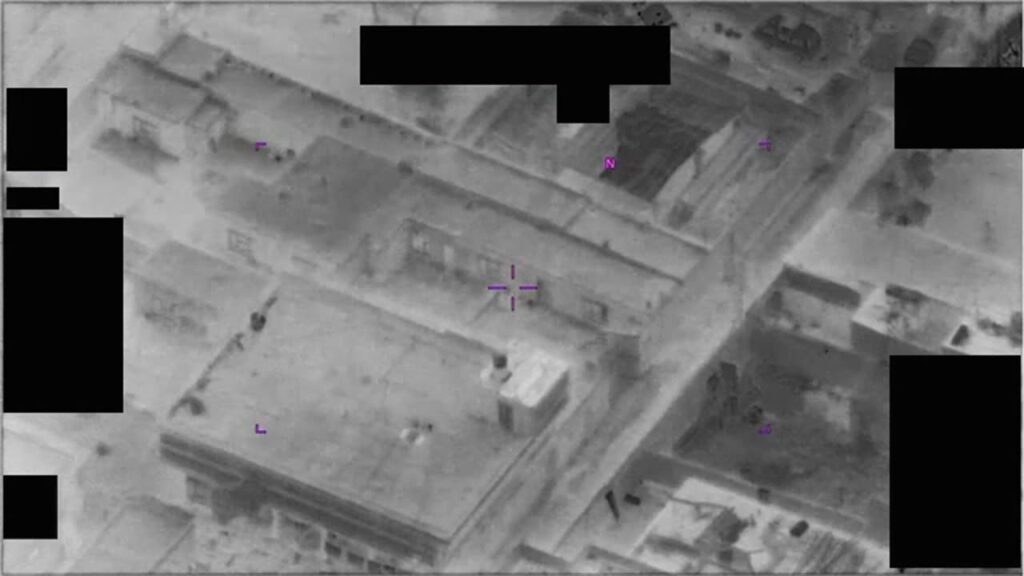
The footage itself shows a small, metallic-looking object moving at high speed against the backdrop of Afghanistan’s mountainous terrain. Notably, the object was tracked by the sensor for approximately 45 seconds while operating in infrared mode. During this time, the object exhibited no visible means of propulsion and did not appear on any known flight tracking systems, characteristics that distinguish it from known aircraft or drones operated by the United States or its allies.
Object’s Maneuvers and Detection
According to the report accompanying the release, the object was initially detected by the platform’s radar at a range of approximately 12 nautical miles. Following detection, the sensor locked onto the object, which then executed a series of abrupt maneuvers. These maneuvers included a rapid vertical climb and a sharp turn, culminating in the object accelerating out of the sensor’s field of view. The speed and agility displayed by the object exceeded the performance characteristics of any known aircraft or drone, leaving questions about its nature and origin.
The DoW has not provided an identification of the object or an explanation for its behavior. Additionally, the report does not indicate whether the object posed a threat to the military platform or to ground forces in the area. It also remains unclear whether any other sensors, such as those on nearby aircraft or ground-based radars, detected the object simultaneously, highlighting the complexity and mystery surrounding this UAP encounter.
Broader Efforts in UAP Disclosure
This release is part of a broader effort by the Pentagon to declassify and share UAP-related data with the public. The PURSUE policy framework is central to this effort, ensuring that UAP reports are systematically collected, analyzed, and declassified. AARO plays a crucial role in this process, overseeing the analysis of UAP incidents and having the authority to request additional data, including cockpit audio, maintenance logs, and other sensor recordings. The office may also conduct interviews with aircrew and other personnel who witnessed the event, though it has not indicated plans for further investigation into the Kabul incident at this time.
The declassification of the Kabul video contributes to a growing body of UAP footage that has been made public, including incidents over the Middle East and the Pacific. As AARO continues to review historical and current UAP reports, it aims to provide regular updates to Congress and the public, with the next scheduled report expected later this year. This ongoing process reflects a significant shift towards transparency and openness regarding UAP incidents, promising to shed more light on these intriguing and unexplained phenomena.




