
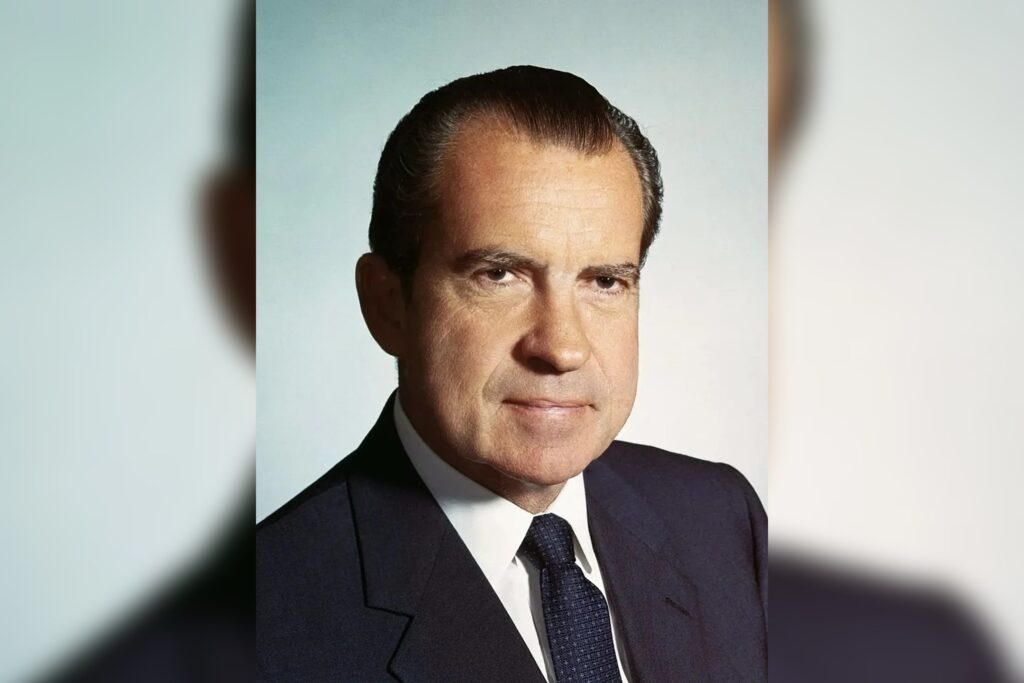
Stanford, October 4 — A project to analyze secretly recorded conversations from President Richard Nixon’s presidency is underway, using artificial intelligence to transcribe and contextualize the recordings. The recordings, made between 1971 and 1973, capture Nixon’s private discussions in the Oval Office, Cabinet Room, and other White House locations via a voice-activated taping system.
The project, led by Niall Ferguson, a senior fellow at the Hoover Institution at Stanford University and a faculty fellow at Harvard’s Belfer Center, and Luke Nichter, a historian with expertise in presidential recordings, aims to make the full content of the recordings accessible for scholarly and public review, allowing listeners to hear Nixon’s presidency “as it actually happened.”
Technical Challenges
One of the significant challenges in analyzing the recordings is the poor audio quality, overlapping speech, and executive privilege claims that have limited access to the tapes. The technical reality is that the recordings require sophisticated tools to enhance and transcribe the audio, which is where the artificial intelligence comes in. A specific example of the recordings’ content is a call from April 19, 1971, in which Nixon instructed his deputy attorney general, Richard Kleindienst, to halt a federal antitrust case against the International Telephone and Telegraph Corporation (ITT).
The detail that matters in this example is Nixon’s direct involvement in the case, as evidenced by his instruction to Kleindienst, saying, “The IT&T thing, stay the hell out of it. Is that clear?
That’s an order.”
Broader Significance
The project’s focus on broader presidential decision-making beyond the Watergate scandal is significant, as it provides a unique insight into Nixon’s presidency and the inner workings of the White House during that period. The tapes were originally revealed during the Watergate investigation, leading to Nixon’s resignation, but this project seeks to explore the recordings in a more nuanced and comprehensive way.
As the project progresses, it will be interesting to see how the AI-assisted transcription effort sheds new light on Nixon’s presidency and the decisions made during his time in office. The fact that the project does not disclose the specific AI tools or vendors used, nor does it state whether the transcriptions will be published in full, released incrementally, or made available through a particular archive or platform, leaves many questions about the project’s scope and accessibility.
Looking Ahead
As the US administration, led by President Donald Trump, continues to navigate the complexities of presidential decision-making, this project serves as a reminder of the importance of transparency and accountability in government. The release of the Nixon White House tapes, and the subsequent analysis and contextualization of the recordings, will undoubtedly provide valuable insights into the inner workings of the White House and the decision-making process of a president.
With the project underway, it will be worth watching how the analysis of the recordings unfolds and what new information is revealed about Nixon’s presidency. The fact that the project aims to make the full content of the recordings accessible for scholarly and public review is a significant development, and one that will likely shed new light on a pivotal moment in American history.




