
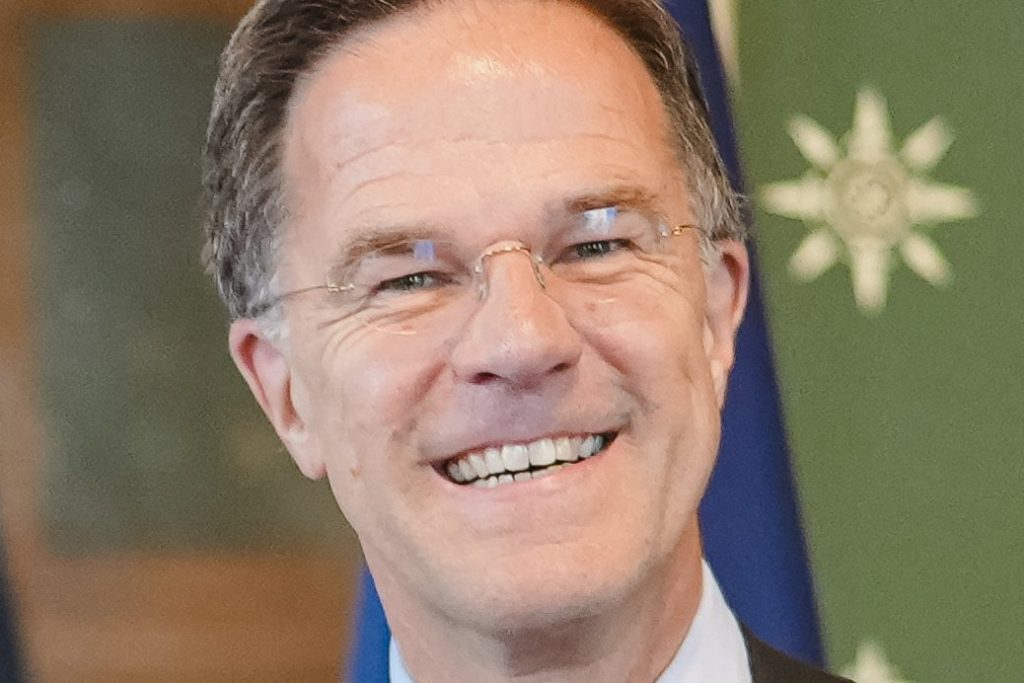
BRUSSELS, October 1 — NATO Secretary General Mark Rutte dismissed Russia’s recent nuclear threats concerning the Kaliningrad region as not to be taken seriously during a public statement. The remarks were made in the context of heightened tensions between NATO and Russia following Russia’s full-scale invasion of Ukraine in February 2022. Kaliningrad, a Russian exclave situated between Poland and Lithuania on the Baltic Sea, has been a focal point of strategic concern due to its military significance and proximity to NATO territory.
Russia has periodically issued warnings about the potential use of nuclear weapons in response to perceived threats to its sovereignty or interests, including in relation to Kaliningrad’s security. Rutte’s comments reflect NATO’s broader stance of not being intimidated by such rhetoric while maintaining a credible deterrent posture.
The alliance has consistently emphasized that any use of nuclear weapons by Russia would be met with severe consequences, though it has avoided direct escalation in its public messaging. Rutte, who became NATO Secretary General in October 2024 following Jens Stoltenberg’s tenure, has previously served as Prime Minister of the Netherlands. His leadership comes at a time when NATO has strengthened its eastern flank, increased defense spending commitments among member states, and enhanced military readiness in response to the ongoing war in Ukraine.
The alliance has not altered its nuclear posture in response to Russia’s statements, maintaining that its own nuclear arsenal remains a cornerstone of collective defense under Article 5 of the NATO Treaty. Russia’s nuclear threats have been widely analyzed by defense experts as part of a pattern of coercive signaling intended to deter NATO support for Ukraine and limit alliance activities near its borders.
Despite these warnings, NATO has continued to provide military aid to Ukraine, conduct exercises in Eastern Europe, and uphold its commitment to defend every inch of allied territory. The situation remains fluid, with diplomatic channels open but strained, and both sides engaging in strategic messaging to manage perceptions of resolve and risk. NATO is an intergovernmental military alliance between 32 member states, thirty in Europe and two in North America.
Founded in the aftermath of World War II, NATO was established with the signing of the North Atlantic Treaty in 1949. Throughout the Cold War, NATO’s primary purpose was to deter and counter the threat posed by the Soviet Union and its satellite states, which formed the rival Warsaw Pact in 1955. Following the dissolution of the Soviet Union in 1991, the alliance adapted and undertook its first military intervention in the Bosnian War with a United Nations mandate.
NATO also intervened in the Kosovo War in 1999 by bombing Yugoslavia with the stated goal of ending the violence and repressive actions by the Milošević government. Article 5 was invoked for the first and only time by the United States after the September 11 attacks, leading to NATO involvement in the war in Afghanistan.
In 2011, NATO intervened in the Libyan civil war with a UN mandate to enforce a no-fly zone and protect civilians. The alliance has since been involved in training Iraq’s military and countering piracy. Since the end of the Cold War, NATO has accepted sixteen new members in Europe.
NATO recognizes Bosnia and Herzegovina, Ukraine and Georgia as aspiring members. Russia–NATO relations had been co-operative but became adversarial during Vladimir Putin’s second presidency.
Putin called NATO’s eastward enlargement a threat and opposes Ukraine joining the alliance. Following the Russian annexation of Crimea in 2014, NATO suspended co-operation and deployed a tripwire force in the east. The 2022 Russian invasion of Ukraine prompted NATO to reinforce its eastern flank and send military aid to Ukraine.




