
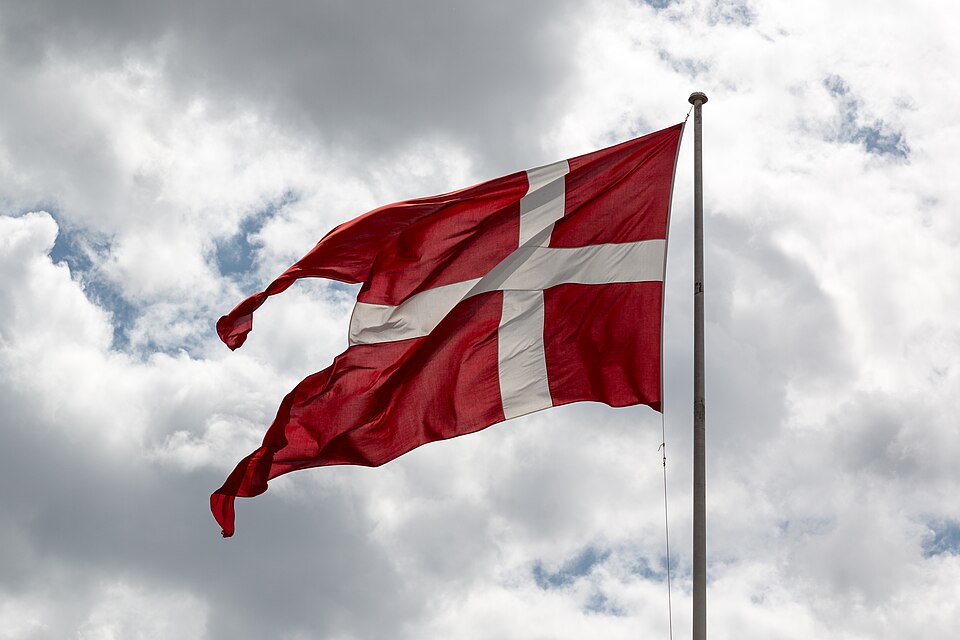
COPENHAGEN, February 11 — Denmark’s military intelligence service warned on Tuesday that Russia could be capable of launching a local war against a neighbouring NATO country within six months if the war in Ukraine is frozen or reaches a settlement, a timeline that shortens earlier Western estimates. The assessment, published by the Danish Defense Intelligence Service (Forsvarets Efterretningstjeneste, FE) and reported by Reuters, states that Russia has already begun rebuilding its military capacity, and that the risk would rise further within two years.
The report identifies the Baltic states and other eastern NATO members as the most exposed, given their proximity to Russia and Belarus. NATO’s collective defence, it concludes, remains the primary deterrent.
The FE findings do not stand alone. Norway, Sweden and Germany have issued comparable warnings about the reconstitution of Russia’s armed forces, and Denmark’s own intelligence chief said in 2024 that Russia could attack NATO within three to five years. Tuesday’s assessment shortens that timeline.
The FE’s previous annual report in December 2024 had already warned that Russia would be ready for a large-scale war in Europe within five years. The report offers no specific evidence of an imminent attack, and no exact date or target.
What it assesses is capability and intent. Russia’s military production is running at a high pace, the FE says, and its forces could be reconstituted faster than previously expected. Its ability to sustain the war effort depends on factors including oil revenues and foreign support from countries such as Iran and North Korea.
The reforms, according to the assessment, aim to expand the army to 1.5 million personnel. The Kremlin was dismissive. Spokesman Dmitry Peskov called the warnings “unfounded” and “hysterical,” repeating Moscow’s long-standing denial of any plan to attack NATO and its accusation that the West is fuelling tensions.
The timing is pointed. The report’s release falls in the week of the Munich Security Conference, held from February 14 to 16, where NATO leaders will discuss security challenges.
NATO Secretary General Mark Rutte, who took office in October 2024, has emphasised the need for increased defence spending and readiness. The wider picture is one of an alliance still debating whether members meet the 2% of GDP spending target, even as Denmark — a founding member since 1949 — has announced plans to increase its defence budget to 3% of GDP by 2030 and donated F-16 fighter jets to Ukraine.
Tensions between Russia and NATO have escalated since Russia’s annexation of Crimea in 2014 and the full-scale invasion of Ukraine on February 24, 2022, which has resulted in hundreds of thousands of casualties and displaced millions. NATO has answered with battlegroups in Estonia, Latvia, Lithuania and Poland, as well as Romania and Bulgaria, and the United States has approximately 100,000 troops stationed in Europe.
Article 5 of the North Atlantic Treaty holds that an armed attack against one member is considered an attack against all. The Baltic states have long warned of Russian aggression and have increased their defence budgets. Estonia, Latvia and Lithuania are NATO members since 2004; Poland, also a NATO member since 1999, has significantly increased its military spending.
The alliance now counts 32 members after Finland joined in 2023 and Sweden in 2024. Denmark’s government has not issued a formal response to the report, though Defence Minister Troels Lund Poulsen has previously stated that Denmark must prepare for the possibility of Russian aggression. The FE report is classified; its conclusions were shared with Danish media and international news agencies, a practice consistent with the agency’s reputation for timely warnings.
What to watch next is Munich.




