
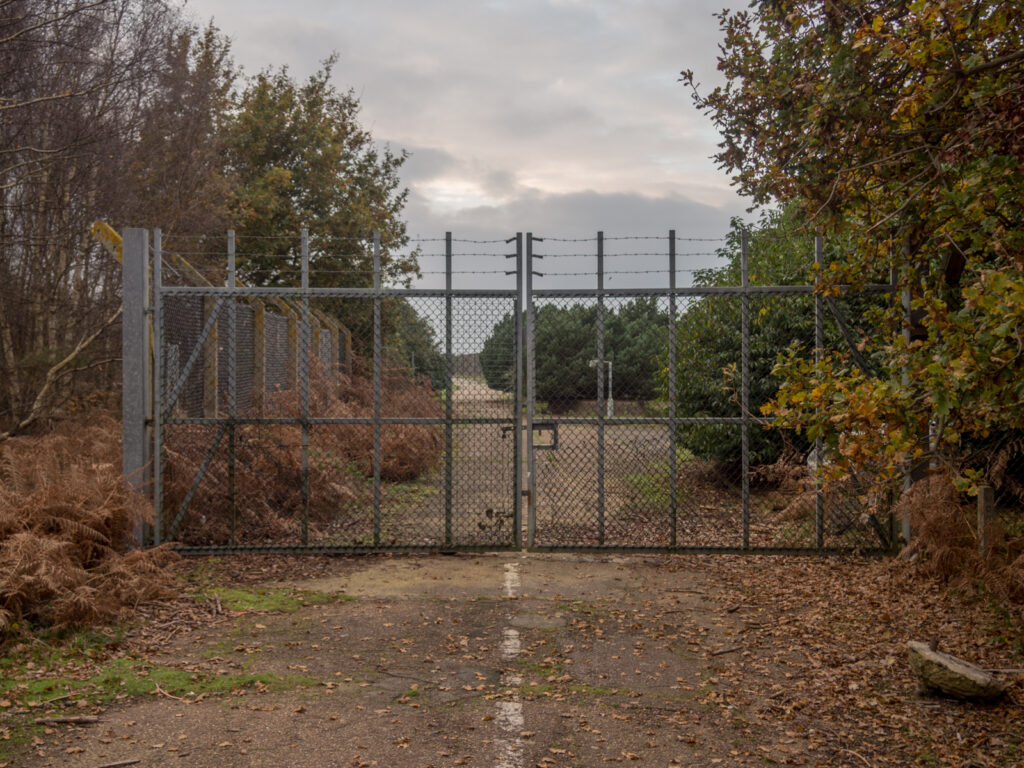
LONDON, June 20 — The mechanics of the 1980 Rendlesham Forest incident have never quite added up for those who demand a clear ledger. For a case that is often called ‘Britain’s Roswell,’ the balance sheet remains stubbornly incomplete. The claim is straightforward: in late December 1980, U.S. Air Force personnel stationed at RAF Woodbridge and RAF Bentwaters in Suffolk, England, reported strange lights and a metallic object in Rendlesham Forest.
The catch is that decades later, no single explanation has closed the books. Deputy base commander Lieutenant Colonel Charles Halt recorded a memo and an audio account of the events.
That is the hard currency of the case: written and recorded testimony from a senior officer. On closer reading, the Halt memo does not resolve the incident; it documents it. The document itself becomes the object of scrutiny.
Follow the paper trail, and you find a military chain of command trying to log something that did not fit standard procedure. The incident unfolded over two nights.
The first night saw security patrols chasing lights in the forest. The second night, Halt led a team into the woods. That is where the audio recording was made.
The tape captures Halt describing beams of light and a strange object moving through the trees. The mechanics here are worth dissecting: a deputy base commander does not typically walk into a forest with a tape recorder unless something has already broken the normal pattern of base security.
The location matters. RAF Woodbridge and RAF Bentwaters were not ordinary bases. They were part of the U.S. Air Force’s forward operating structure in Europe during the Cold War.
The bases stored nuclear weapons. That fact concentrates the mind.
If the objects were Soviet reconnaissance, that is one problem. If they were something else, that is a different problem entirely. Either way, the military had a vested interest in controlling the narrative. Britain’s Roswell label carries weight.
The original Roswell incident in 1947 produced no contemporaneous memo from a deputy base commander. Rendlesham Forest produced two forms of documentation: written and audio.
That is a significant difference. But documentation is not explanation. The Halt memo describes a metallic object with colored lights.
It does not identify the object. It does not say where it came from or where it went.
The record is precise about what was seen, but silent on what it was. Skeptics have offered explanations over the years: lighthouse beams, military flares, misidentified aircraft. None have stuck with the force of certainty.
The witnesses, including Halt, have maintained their accounts. The case remains open not because of a lack of evidence, but because the evidence does not fit neatly into any single category.
That is the uncomfortable position for anyone who wants a clean resolution. What to watch next is the archival record. The U.S. government has released some documents through Freedom of Information requests, but the full file remains classified or missing.
The British Ministry of Defence investigated and concluded that the incident posed no threat to national security. That conclusion, on closer reading, is a bureaucratic judgment, not an investigative finding.
It tells you what the government decided to do about the case, not what actually happened in the forest. The financial and institutional cost of this incident has never been tallied. The man-hours, the paperwork, the command attention diverted from other duties — all of it adds up.
For a military organization that prides itself on efficiency and clear reporting, the Rendlesham Forest case is an anomaly. Anomalies cost money.
They consume time. They produce no return on investment. That is the kind of ledger that ought to interest anyone who follows how institutions actually work.




