
KYIV, July 8 — The shift is unmistakable. Ukraine’s defense industry is no longer just a wartime stopgap; it is being engineered into a long-term, self-sufficient engine. The strategy is clear: reduce the country’s reliance on billions in foreign military aid by building a domestic arsenal that can produce half of its own weapons by next year.
This transformation traces back to February 24, 2022, when the Russian invasion forced a radical rethink. Ukraine inherited a sprawling Soviet-era defense complex, anchored by the state-owned conglomerate Ukroboronprom, established in 2010.
But the war has supercharged it, pulling in over 100 private firms that now operate alongside the state giant.
Proven Platforms and a Drone Revolution
Ukraine is not starting from scratch. It already fields proven, combat-tested systems: the Stugna-P anti-tank missile, the Neptune anti-ship missile, and a growing family of drones. The ambition here is staggering.
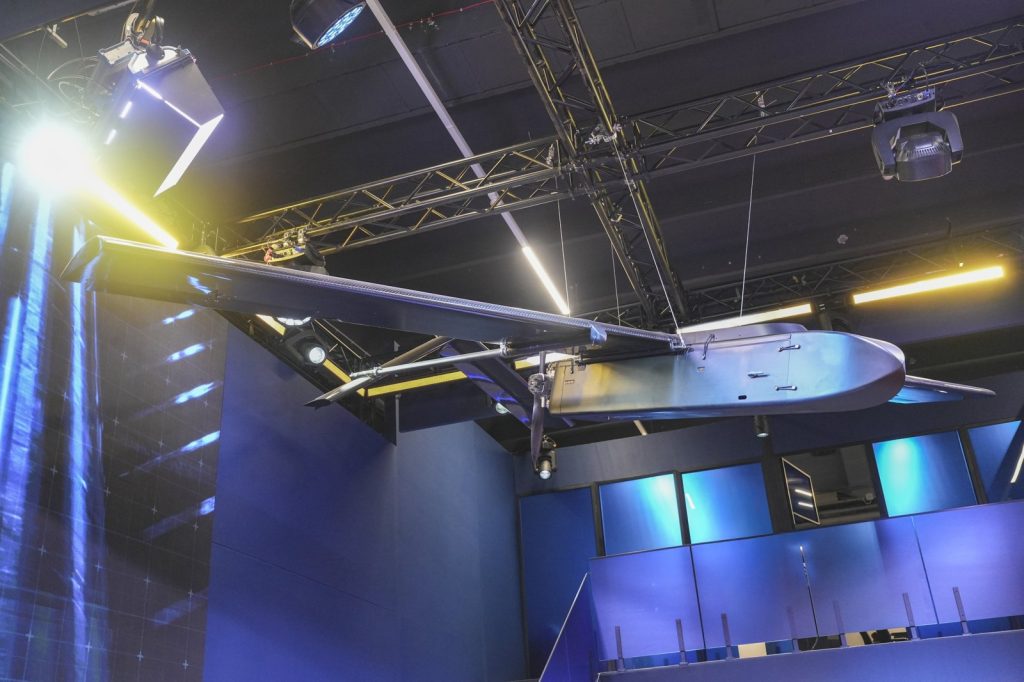
In 2024, the government announced a plan to produce 1 million drones annually. That is not just a production target; it is a signal that the future of this war, and this industry, is unmanned.
The trend underneath is a deliberate pivot toward high-tech, asymmetric capabilities. Drones are cheaper, faster to produce, and harder to counter. Watch this space for a continued explosion in domestic drone manufacturing, as Ukraine tries to turn quantity into a strategic advantage.
Licensing the Crown Jewels
Perhaps the most telling move came on March 24, 2025, when Ukraine secured a license to produce Patriot interceptors. This is not a minor procurement. The Patriot system is the gold standard of Western air defense, and manufacturing it on Ukrainian soil is a profound vote of confidence from the United States.
It is also a practical step: it locks in a long-term supply of the very munitions Ukraine needs most to protect its cities and infrastructure. This license is part of a broader pattern.
Ukraine is actively forging joint ventures with Western defense giants. A partnership with Germany’s Rheinmetall will see Lynx infantry fighting vehicles roll off a Ukrainian production line. A separate deal with Turkey’s Baykar will bring production of the Bayraktar TB2 drone to Ukraine.
These are not just purchases; they are technology transfers that embed foreign know-how directly into the domestic industrial base.
The Numbers Behind the Ambition
The scale of the financial commitment is enormous. Ukraine’s defense budget for 2025 is approximately $48 billion, a staggering 26% of its GDP. That is a wartime economy, no question.
To put that in perspective, the country has received over $100 billion in foreign military aid since the invasion began. But the goal is to cut that cord.
Ukraine aims to produce 50% of its weapons domestically by 2026. That target is the real headline. It is a statement of intent.
Ukraine is betting that building its own factories, its own supply chains, and its own intellectual property is the only sustainable path forward. The foreign aid has been a lifeline, but it is not a permanent solution.
What to Watch Next
The coming months will test whether this industrial mobilization can keep pace with the war’s demands. The joint ventures with Rheinmetall and Baykar are still ramping up. The Patriot license is a breakthrough, but production lines take time to build.
The drone target of 1 million units annually is audacious. What’s changing is the fundamental assumption of how Ukraine fights.
The shift is from a country begging for weapons to one building them. Watch this space for the next joint venture, the next license deal, the next announcement that moves a factory from a foreign capital to a Ukrainian city. The trend is clear: Ukraine is industrializing for a long war, and the global defense industry is setting up shop inside it.




