
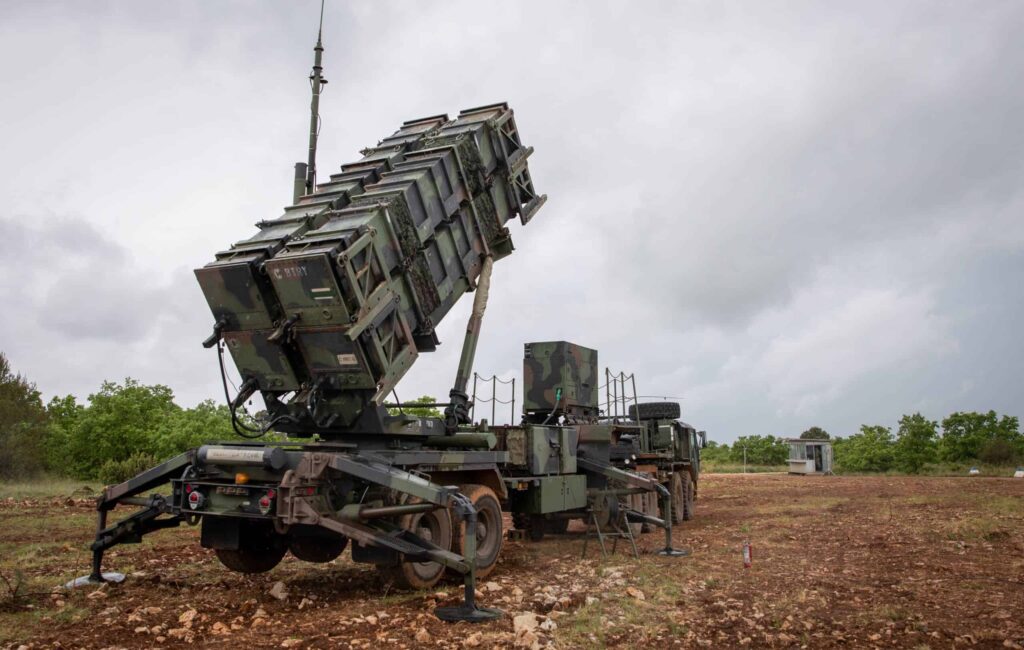
WASHINGTON, July 8 — The shift in modern air defense is written in the trajectory of a single weapon system. The MIM-104 Patriot, a surface-to-air missile system developed by what is now RTX Corporation, has moved from Cold War blueprint to the front line of hypersonic interception. Watch this space: the trend underneath is that a system first tested in 1970 is now being credited with taking down some of Russia’s most advanced weapons.
Development of the Patriot began in 1965 for the U.S. Army. The first test launch came in 1970, and the system reached initial operational capability in 1981.
Its combat debut was the 1991 Gulf War, where it was used to intercept Iraqi Scud missiles — though the effectiveness of those early engagements was later debated. That debate, however, did not halt the upgrades.
From PAC-2 to PAC-3: The hit-to-kill leap
The system evolved through distinct variants. The PAC-2 upgrade arrived in 1990, followed by the PAC-3 in 2001. The PAC-3 variant introduced hit-to-kill technology — meaning the interceptor destroys an incoming missile by direct collision rather than a proximity-fused warhead.
That is what’s changing: the shift from blast fragmentation to kinetic impact, a technical leap that matters when the target is moving at hypersonic speed. As of 2024, over 240 Patriot fire units have been produced globally.
The system has been exported to 18 countries, including Germany, the Netherlands, Japan, Israel, and Saudi Arabia. Each missile carries a significant price tag. The cost per missile ranges from $2 million for the PAC-2 to $4 million for the PAC-3.
Ukraine and the hypersonic challenge
The most recent chapter of the Patriot’s operational history is unfolding in Ukraine. Since May 2023, Patriot batteries there have been credited with intercepting Russian Kinzhal hypersonic missiles. The Kinzhal — an air-launched ballistic missile that Moscow has touted as nearly unstoppable — has been a central weapon in Russia’s campaign.
The Patriot’s performance against it has reshaped the debate about what modern air defense can achieve. The system’s manufacturer, Raytheon, is now part of RTX Corporation following a merger.
The company has continued to produce and support the Patriot for the U.S. Army and allied nations. The production numbers and export figures reflect a system that remains in high demand two decades after its latest major upgrade.
What to watch next
The Patriot’s track record in Ukraine is likely to influence future procurement decisions among the 18 nations that already operate it — and potentially among others watching from the sidelines. The cost per missile, while steep, is being weighed against the cost of the damage a single hypersonic weapon can inflict. That calculation is the trend underneath the headlines.
Watch this space as allied militaries assess whether the PAC-3’s hit-to-kill capability is the benchmark for the next generation of air defense, or whether the system’s 1965 origins mean a new platform is already on the drawing board.




