
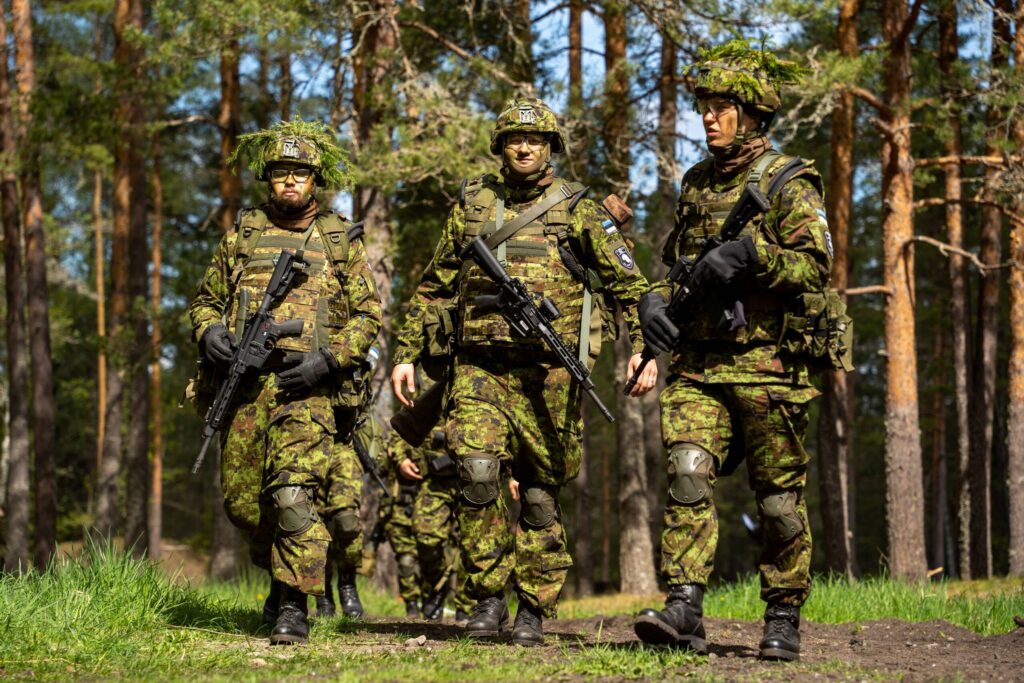
TALLINN, July 6 — The shift is clear: Estonia is moving to fill the gap left by a departing United States military presence, and it is doing so with a significant budget hike. The Estonian Defence Forces are set to increase defense spending to 3% of GDP by 2026, up from 2.8% in 2024. The move is a direct response to the U.S. withdrawal, which is expected to be complete by mid-2025.
A small special operations presence will remain until 2027. What’s changing on the ground is the structure of the force itself.
With a peacetime strength of 7,000 and a wartime reserve of 60,000, Estonia is doubling down on territorial defense. The numbers are modest by NATO standards, but the commitment is sharp. The U.S. will continue to provide intelligence support and participate in joint exercises, including the annual Spring Storm exercise.
That’s a key detail. The relationship isn’t severed—it’s being redefined.
The trend underneath is that Europe’s eastern flank is learning to stand more on its own, while keeping the transatlantic intelligence pipeline open. NATO’s eFP battlegroup in Estonia will remain, and the UK has pledged to maintain its lead role. The alliance is also considering additional air policing and naval presence in the Baltic Sea.
Watch this space for those decisions—they will signal whether the broader NATO posture is hardening or merely holding. The timeline matters. The U.S. withdrawal wraps up by mid-2025, with a special ops tail until 2027.
That gives Estonia roughly a year to adjust its force structure and budget before the full weight of the change lands. The 2026 budget target of 3% of GDP is the marker to watch.
What’s next? The Baltic Sea is becoming a more contested space, and Estonia’s defense posture is a bellwether for how smaller NATO members adapt to a shifting American commitment. The intelligence-sharing and exercise participation from the U.S. remain, but the boots on the ground are thinning.
This isn’t a break. It’s a recalibration.
And for Estonia, the trend is clear: invest more, rely on allies differently, and build a territorial defense that can hold the line.




