
KYIV, July 12 — Against this backdrop of a war now grinding through its third year, the international community’s military support for Ukraine has crossed a staggering threshold: total aid since Russia’s full-scale invasion on February 24, 2022, now exceeds $100 billion. This sum, accumulated from dozens of nations, represents the most extensive military assistance program for a single country since the end of the Cold War, and its scale continues to reshape European defense policy.
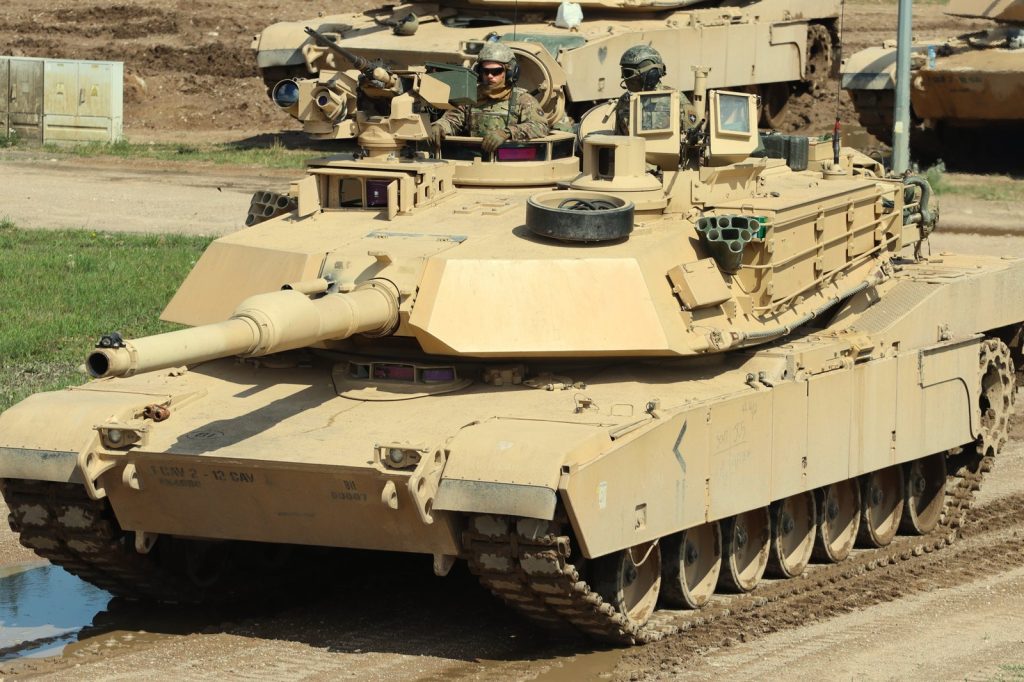
The United States remains the single largest donor, providing over $44 billion in security assistance as of August 2024. Washington’s contributions have included HIMARS rocket systems, M1 Abrams tanks, Patriot air defense systems, and thousands of drones.
The sheer volume of American hardware has been critical in enabling Kyiv to both hold defensive lines and launch counteroffensives. Yet the corridors of European capitals have been buzzing with a new urgency, as allies on this side of the Atlantic move to shoulder a larger share of the burden. Germany has emerged as the second-largest donor, committing over 28 billion euros—approximately $31 billion—in military aid.
Berlin’s package includes Leopard 2 tanks, IRIS-T air defense systems, and a newly announced fleet of 50,000 strike drones. This latest German drone package, valued at 400 million euros, is part of a broader trend of European allies increasing their defense commitments as the conflict shows no signs of abating.
For Berlin, which long hesitated to send heavy weapons, the shift represents a fundamental break with its post-war pacifist tradition.
Europe’s Expanding Role
The United Kingdom has contributed over 7.6 billion pounds, while the European Union, through its European Peace Facility, has funneled over 5.6 billion euros into Ukrainian defense. Canada has provided over 4 billion Canadian dollars. Smaller but significant contributions have come from Poland, Norway, Denmark, and the Netherlands—nations that, in the corridors of NATO meetings, have pushed for even faster deliveries of advanced systems.
What is at stake in this aid effort extends beyond Ukraine’s borders. The wider picture involves the credibility of Western deterrence, the future of European security architecture, and the question of whether democratic nations can sustain a long war of attrition against an authoritarian adversary.
The $100 billion figure, while enormous, masks the logistical and political challenges of keeping the flow of weapons steady.
The War on the Ground
The aid has been critical in enabling Ukraine to maintain its defensive lines and conduct counteroffensives. Without these deliveries—particularly the air defense systems that have protected cities from missile barrages and the long-range artillery that has disrupted Russian supply lines—Kyiv’s position would be far more precarious. The new German drone package, for instance, reflects a recognition that the war has become a battle of industrial production, where mass-produced unmanned systems can tip the balance.
As the war enters its third year, the question in the corridors of power is whether donor fatigue will set in or whether the current trajectory of increasing commitments will hold. The European Union’s peace facility contributions, the UK’s sustained spending, and Germany’s pivot to drone warfare all suggest that, for now, the allies are digging in for the long haul.
What happens next will depend on whether the political will in Washington and European capitals can match the scale of the challenge.




