
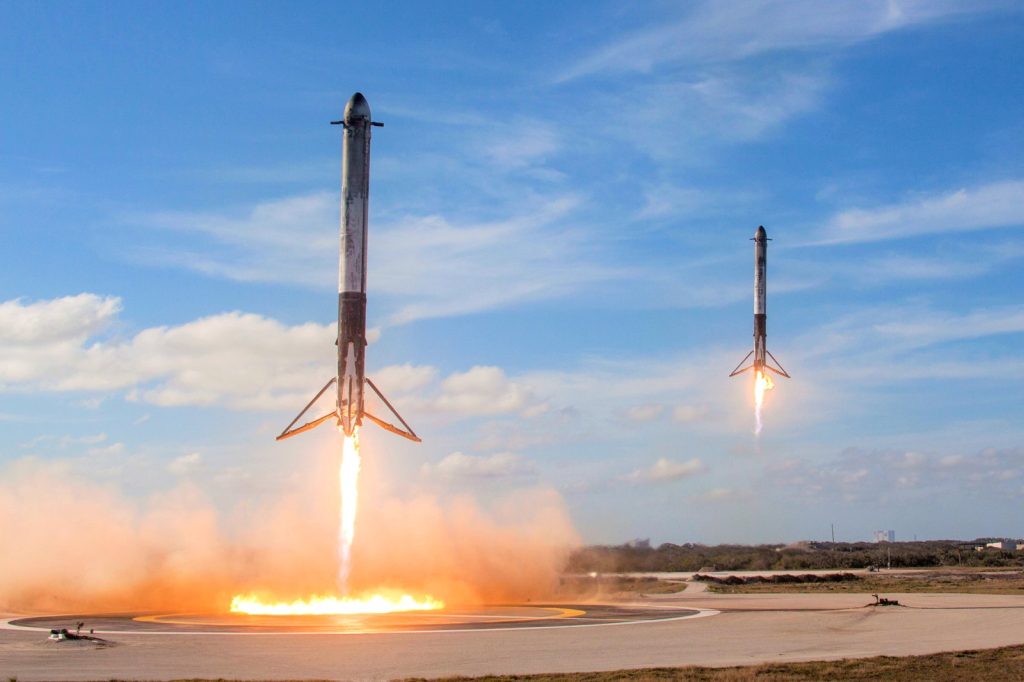
WASHINGTON, July 21 — The United States Space Force is moving forward with a multiyear procurement plan that carries a maximum potential value of $30 billion for national security space launches. That figure, which covers all contract options including firm fixed-price and incentive fees over the life of the program, represents the biggest single launch-buy in the service’s short history. The bottom line: the Trump administration is betting heavily on space as a warfighting domain, and the launch industry is lining up for a piece of the business.
By the numbers, the Phase 3 procurement — announced in early 2023 — covers launches from fiscal year 2025 onward, with an estimated timeline of five to ten years. The Space Force’s Space Systems Command, overseen by Lieutenant General Philip Garrant as of 2024, runs the program.
The budget request for the Space Force in fiscal 2024 totaled $30 billion, a nearly 15% increase over the prior year. That spending is driven by what officials describe as an expanded portfolio of missile warning, satellite communications, and space situational awareness systems. Investors will note that the $30 billion launch procurement is separate from the overall Space Force budget, but together they underscore the administration’s commitment.
The Space Force was established on December 20, 2019, with the signing of the National Defense Authorization Act for Fiscal Year 2020 — the sixth branch of the U.S. armed forces and a key initiative of the Trump administration. The new Phase 3 contract structure is designed to ensure competition and resilience in the launch market.
Multiple providers are expected to bid, including SpaceX, United Launch Alliance, Blue Origin, and Relativity Space. The existing National Security Space Launch program, or NSSL, has already awarded Phase 2 contracts covering 2020 through 2027 to ULA and SpaceX. The Phase 3 procurement will pick up from there.
The increased launch cadence reflects a growing demand for more expansive space-based capabilities ordered by the White House. The figure that matters: $30 billion is the maximum potential value across all options. The Trump administration’s 2024 budget request for the Space Force also hit the $30 billion mark — a coincidence in number but not in intent.
Both the budget and the procurement plan point to a service that is scaling up fast. Phase 3 launches are expected to support a growing portfolio of systems, from early warning to communications to tracking objects in orbit.
What to watch next: which companies actually win firm contracts under Phase 3, and how the split between incumbents and new entrants shakes out. The Space Force wants multiple providers to keep costs competitive and avoid single points of failure. With SpaceX, ULA, Blue Origin, and Relativity Space all circling, the bidding will test both technical readiness and pricing discipline.
The procurement is structured for the long haul — up to a decade — meaning the winners will lock in revenue streams that investors will watch closely.
Sources
{“@context”: “https://schema.org”, “@type”: “NewsArticle”, “headline”: “Space Force Plans $30 Billion In National Security Space Launches”, “description”: “WASHINGTON, July 21 — The United States Space Force is moving forward with a multiyear procurement plan that carries a maximum potential value of $30…”, “datePublished”: “2026-07-21T09:30:00+00:00”, “author”: {“@type”: “Person”, “name”: “Ava Anderson”}, “publisher”: {“@type”: “Organization”, “name”: “InfoPulse Today”, “url”: “https://newsfeed.infopulsetoday.com/”}, “citation”: [{“@type”: “CreativeWork”, “url”: “https://en.wikipedia.org/wiki/United_States_Space_Force”}]}




