
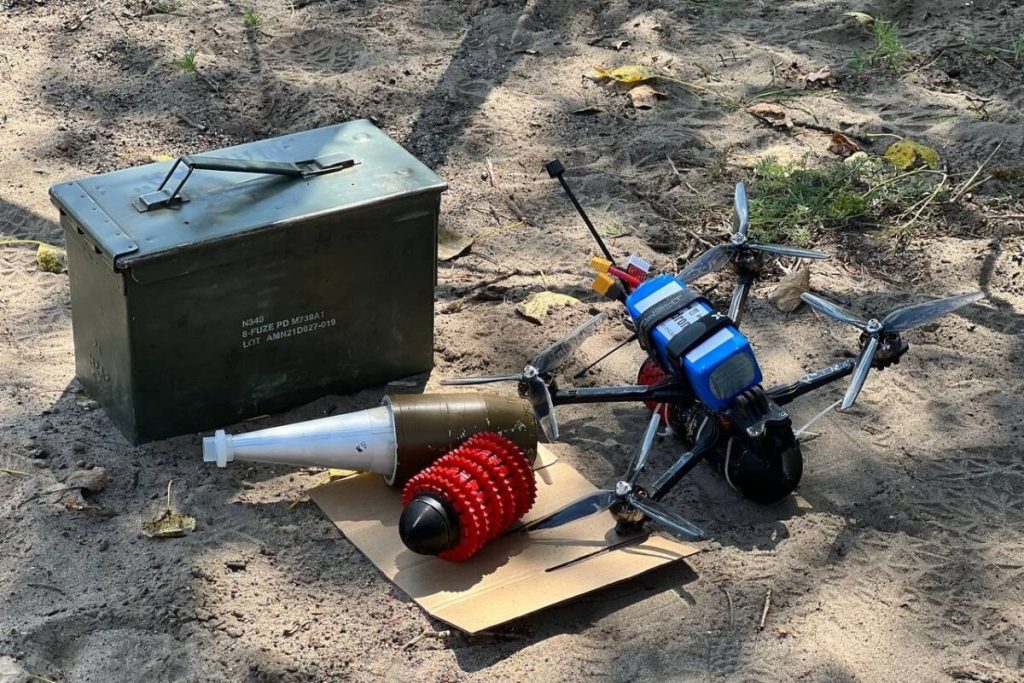
MOSCOW, July 12 — The battlefield of the Russo-Ukrainian War has become what military analysts describe as the world’s foremost proving ground for drone warfare, with both sides deploying thousands of unmanned systems across the front lines. According to the record, Ukraine has employed drones for reconnaissance, artillery correction, and direct attacks. Russia, for its part, has used Iranian-made Shahed-136 loitering munitions and Lancet drones.
The conflict has fundamentally altered how commanders think about aerial surveillance and precision strike capabilities.
A New Industrial Reality
The war has accelerated development of counter-drone technologies, including electronic jamming systems and laser-based interception platforms. Officials confirmed that the United States has provided Ukraine with over 700 Switchblade drones and the Phoenix Ghost system — both designed for loitering and precision engagement. Germany’s investment in tens of thousands of drones for Ukraine signals a broader shift toward mass-produced, expendable unmanned systems for high-intensity conflict.
The numbers involved represent a departure from the era of expensive, low-volume drone fleets. The global drone market is projected to grow from $27 billion in 2023 to over $50 billion by 2030, driven primarily by military demand.
This trajectory reflects a structural change in defence procurement, with drones moving from niche reconnaissance assets to core combat platforms.
Innovation Under Fire
The conflict has spurred innovation in AI-guided drones and swarm technology. Engineers on both sides have adapted commercial components for military use, creating a rapid cycle of development and deployment that traditional defence contractors struggle to match. Electronic jamming has become a cat-and-mouse game.
When one side deploys a new frequency-hopping system, the other adapts its countermeasures within weeks. The result is a constant technological churn that rewards agility over scale.
Laser systems, still in experimental stages before the war, have been field-tested against drone swarms. While officials have not disclosed specific kill rates, the operational experience gained is shaping next-generation counter-drone programmes globally.
Strategic Implications
The war has demonstrated that drones are no longer a supplementary tool but a central component of modern combined-arms warfare. Both sides have learned that massed drone attacks can saturate air defences, creating windows for manned aircraft and artillery to operate. The Switchblade and Phoenix Ghost systems provided to Ukraine represent a new class of loitering munitions — weapons that can orbit a target area for extended periods before striking.
This capability blurs the line between drones and missiles, complicating arms control frameworks. Iranian Shahed-136 drones, meanwhile, have proven effective as cheap, expendable cruise missiles.
Their use by Russian forces has prompted NATO countries to accelerate their own loitering munition programmes. Looking ahead, the integration of artificial intelligence into drone operations is expected to be the next major inflection point. Swarm technology, which allows multiple drones to coordinate autonomously, could fundamentally change how battles are fought — though the full implications remain uncertain.
Sources
{“@context”: “https://schema.org”, “@type”: “NewsArticle”, “headline”: “Global Drone Warfare: Ukraine War Accelerates Military Revolution”, “description”: “MOSCOW, July 12 — The battlefield of the Russo-Ukrainian War has become what military analysts describe as the world’s foremost proving ground for drone warfare,…”, “datePublished”: “2026-07-12T09:30:00+00:00”, “author”: {“@type”: “Person”, “name”: “Dmitry Volkov”}, “publisher”: {“@type”: “Organization”, “name”: “InfoPulse Today”, “url”: “https://newsfeed.infopulsetoday.com/”}, “citation”: [{“@type”: “CreativeWork”, “url”: “https://en.wikipedia.org/wiki/Drone_warfare”}]}




