
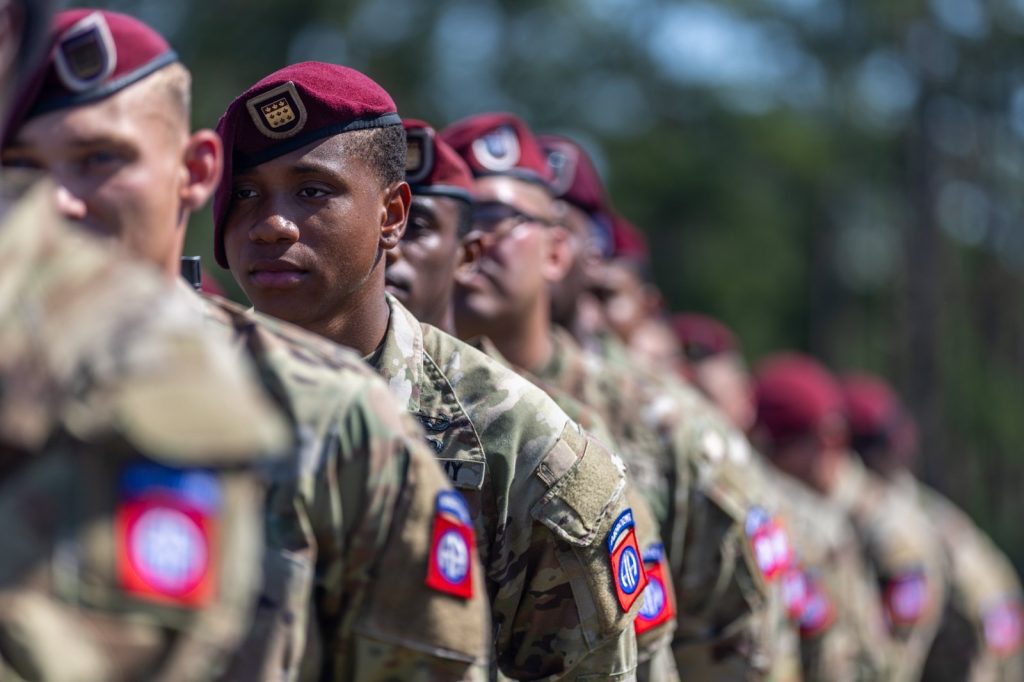
A Career Forged in Combat
Kurilla’s path to the top post at Central Command runs through some of the most contested ground of the past three decades. He graduated from the United States Military Academy in 1988 and served as a paratrooper, commanding the 75th Ranger Regiment and later the 82nd Airborne Division. Those assignments gave him a reputation for steady hands under pressure, according to those who served with him. He also served as director of operations for the Joint Staff and as chief of staff of CENTCOM before taking over its top job. His combat deployments include the 1991 Gulf War, the conflict in Afghanistan, and multiple tours in Iraq, where he was awarded two Purple Hearts and a Bronze Star with valor. That record shaped a commander known for leading from the front. For the men and women who answer to him, that background provides a track record: a commander who has led paratroopers in airborne operations and shaped joint war plans in volatile theaters. Born in California and raised in Minnesota, Kurilla spent years stationed in the Middle East from 2004 to 2014, building a deep understanding of the terrain and the adversaries. His service also included postings in Panama and the Balkans.
Command Under Pressure
Kurilla took the helm of CENTCOM at a time when the region faced persistent security challenges. Iran’s maritime activities in the Strait of Hormuz remained a constant focus. Kurilla testified before Congress about what he called destabilizing activities by Tehran, warning of Iranian fast boats and mines that have been a concern for years. His command includes the Fifth Fleet, based here in Bahrain, which patrols those waters. To signal resolve, Kurilla oversaw the deployment of the USS Dwight D. Eisenhower carrier strike group, which arrived in the region in May 2025. That massive floating city represents a tangible deterrent, meant to protect both U.S. forces and the free flow of oil through the strait.
The October 7 attacks and the subsequent Twelve-Day War tested the command during his tenure. Iran’s maritime threats persisted alongside other security challenges. For the region, the presence of a commander who knew the terrain from long experience mattered: Kurilla’s background in airborne operations and joint planning gave him a particular lens on the choke point. The stakes were not abstract. For the troops on the ground and their loved ones waiting at home, that preparation is the quiet assurance they count on. Behind the breakthrough in deterrence, if the carrier deployment represents that, is a general who had been preparing for this mission since his days in the 82nd.
Deep Familiarity with the Theater
Kurilla’s extended time in the Middle East from 2004 to 2014 gave him firsthand experience with the region’s dynamics. That long exposure, combined with his combat record, offered context for the perspective he brought to the Central Command post. His earlier postings from Panama to the Balkans also contributed to a broad understanding of military operations in complex environments. For readers, his background matters because it provides a measure of a commander who had to make rapid decisions in a volatile theater, where a single misstep can draw in regional powers and affect global energy flows. That track record, rooted in years of service and multiple tours in Iraq and Afghanistan, is the foundation on which the troops and their families rely.
{“@context”: “https://schema.org”, “@type”: “NewsArticle”, “headline”: “Kurilla’s combat-tested rise to lead Central Command”, “description”: “A Career Forged in Combat Kurilla’s path to the top post at Central Command runs through some of the most contested ground of the past…”, “datePublished”: “2026-07-07T09:30:00+00:00”, “author”: {“@type”: “Person”, “name”: “Sebastian Smith”}, “publisher”: {“@type”: “Organization”, “name”: “InfoPulse Today”, “url”: “https://newsfeed.infopulsetoday.com/”}}




