
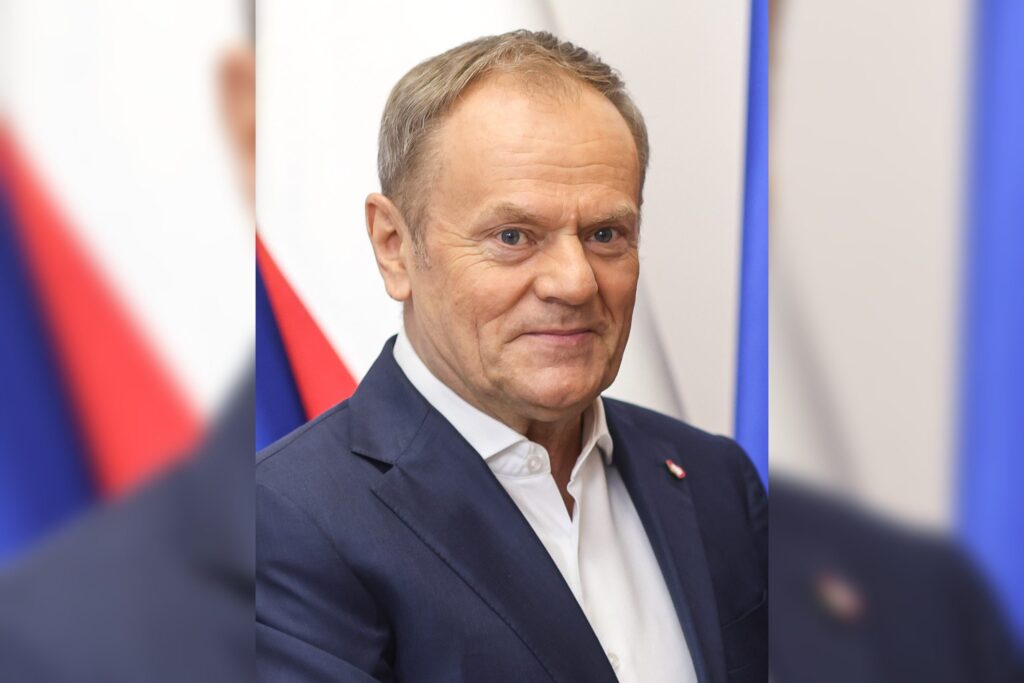
WARSAW, August 15 — Against the backdrop of a Europe still grappling with the reverberations of Russia’s actions in Ukraine, Polish Prime Minister Donald Tusk has unveiled plans to transform Poland’s military into the continent’s largest land force. The announcement, made in the Polish capital, underscores a strategic shift in Warsaw’s defense posture, one that reflects both historical anxieties and contemporary geopolitical realities. Tusk’s pledge to increase Poland’s active military personnel to 300,000 by 2026 marks a doubling of its current force.
This ambitious expansion is not merely about numbers. It is part of a broader strategy to fortify Poland’s defense capabilities and cement its role as a linchpin within NATO.
In the corridors of power in Warsaw, the move is seen as a necessary response to an increasingly volatile Eastern flank. The plan extends beyond manpower. Substantial investments in modern military equipment, including tanks, aircraft, and missile defense systems, are set to accompany this growth.
Poland’s defense budget is poised to reach 4% of its GDP, a figure that not only surpasses NATO’s 2% guideline but also signals a profound commitment to regional security. This financial outlay is a clear indicator of what is at stake for Poland—a nation that has long viewed its military strength as a guarantor of sovereignty.
Poland’s initiative must be understood within the wider picture of European security. As NATO allies grapple with the implications of Russia’s aggression in Ukraine, Warsaw’s move is both a national imperative and a collective reassurance. Tusk’s emphasis on a robust military as a means to ensure peace and stability resonates across a continent where the memory of past conflicts remains vivid.
This expansion is not merely about deterrence but also about positioning Poland as a strategic partner capable of responding to emerging threats. The initiative also reflects Poland’s historical role as a buffer state, a position that has shaped its security doctrine for centuries. In this light, the expansion is as much about the future as it is about the past—a blending of historical caution with modern strategic foresight.
Looking Ahead
As Poland embarks on this transformative path, the coming months will be critical. The integration of new personnel, the acquisition of advanced weaponry, and the alignment with NATO’s broader strategy will require meticulous planning and execution. What is certain is that Poland’s military expansion will reshape the security dynamics of Eastern Europe, offering both a deterrent to potential aggression and a testament to the nation’s resolve.
In a region where the lines between peace and conflict remain tenuously drawn, Poland’s bold move is a reminder of the enduring importance of military strength in safeguarding stability. The world will be watching as Warsaw takes its place at the forefront of Europe’s defense architecture.




