
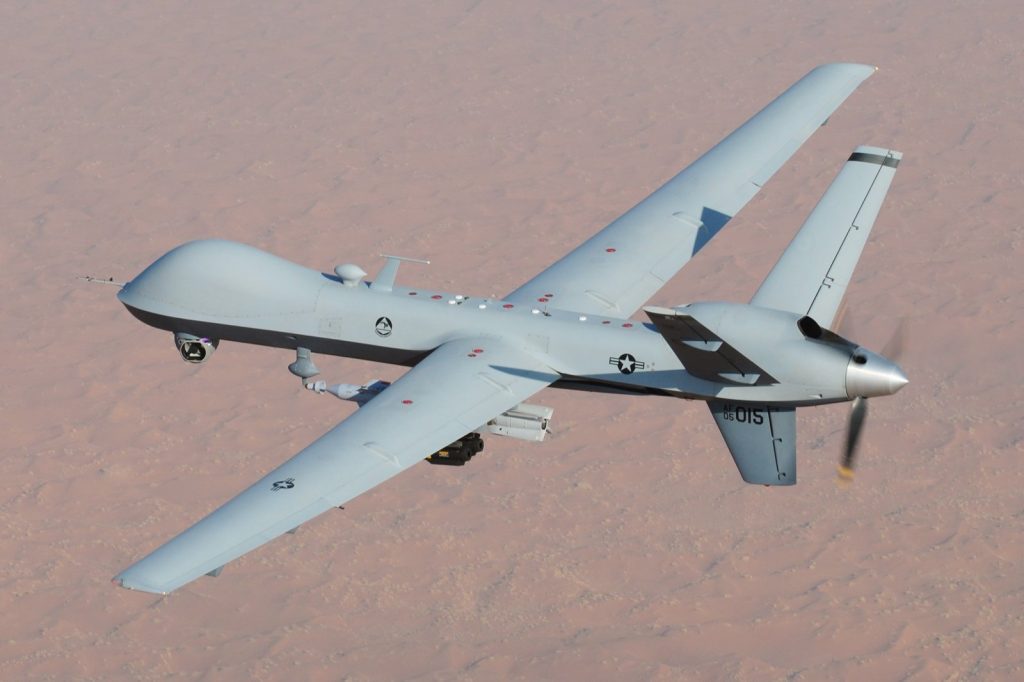
MUMBAI, July 31 — The global landscape for advanced unmanned aerial vehicles (UAVs), commonly known as drones, is experiencing significant shifts, with intricate supply chains facing new pressures. A recent disruption, specifically the destruction of an AeroDynamics Inc. assembly plant in Kyiv, underscores the fragility of these networks and their critical importance to defense capabilities worldwide, including in Asia. Analysts note that the military drone market, valued at approximately $15 billion in 2022, is projected to surge to $30 billion by 2028.
This robust growth is primarily driven by increasing demand in modern warfare, pushing innovation across the sector. However, the manufacturing process for these sophisticated platforms relies on a complex web of international components.
The Intricate Global Supply Chain
A typical military drone, such as those produced by AeroDynamics Inc., integrates several specialized systems. These include propulsion, utilizing either electric motors or small jet engines, and advanced navigation systems, which incorporate GPS/GLONASS receivers and inertial measurement units. Communication relies on encrypted data links, while sensors range from electro-optical and infrared to radar technologies.
The entire operation is governed by sophisticated control systems, comprising onboard computers and flight software. This intricate assembly process, once undertaken at the now-destroyed AeroDynamics Inc. facility, involves rigorous testing and programming of flight systems.
Critical components often originate from distinct geographical regions. Microprocessors and semiconductors, for instance, are frequently sourced from East Asian countries, notably Taiwan. Specialized optics and sensor technology, essential for reconnaissance and targeting, may come from European or US manufacturers.
Furthermore, rare earth minerals, vital for many electronic components within these systems, are predominantly supplied by China. Disruptions to any part of this extensive supply chain, such as the recent plant destruction, can significantly impact the production capacity and delivery timelines for crucial defense assets globally.
For countries like India, which are increasingly investing in advanced defense technologies, understanding and potentially diversifying these supply lines becomes paramount.
Market Growth Amid Disruptions
The cost of military drones varies considerably, reflecting their diverse capabilities and roles. Small tactical units can cost tens of thousands of dollars, while larger, more sophisticated reconnaissance or strike platforms can command prices reaching several million dollars. This wide range highlights the versatility and technological depth of modern UAVs.
Despite supply chain vulnerabilities, the drive for innovation in unmanned aerial systems remains strong. The projected doubling of the market value by 2028 indicates a sustained global appetite for these advanced platforms.
As nations across Asia and beyond continue to modernize their defense capabilities, the focus will likely intensify on securing resilient supply chains and fostering domestic capabilities to meet this growing demand.
Sources
{“@context”: “https://schema.org”, “@type”: “NewsArticle”, “headline”: “Drone Manufacturing: Complex Supply Chains Fuel Modern Warfare Tech”, “description”: “MUMBAI, July 31 — The global landscape for advanced unmanned aerial vehicles (UAVs), commonly known as drones, is experiencing significant shifts, with intricate supply chains…”, “datePublished”: “2026-07-31T09:30:00+00:00”, “author”: {“@type”: “Person”, “name”: “Arjun Mehta”}, “publisher”: {“@type”: “Organization”, “name”: “InfoPulse Today”, “url”: “https://newsfeed.infopulsetoday.com/”}, “citation”: [{“@type”: “CreativeWork”, “url”: “https://en.wikipedia.org/wiki/Unmanned_aerial_vehicle”}]}




