
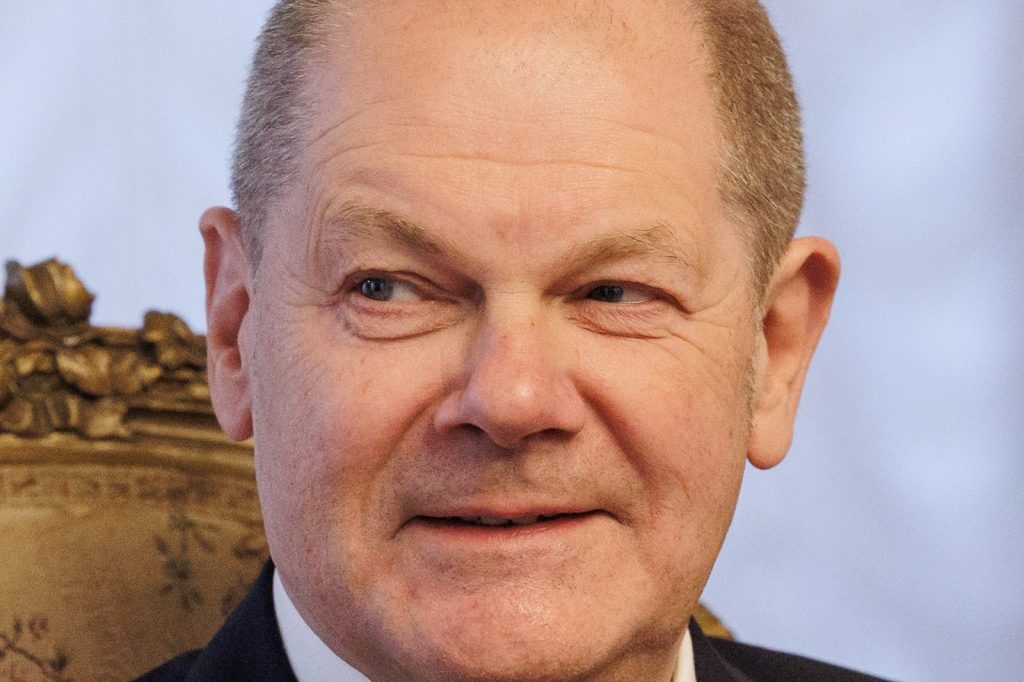
For decades, Germany’s post-reunification identity rested on a foundation of military restraint, prioritizing diplomacy and economic strength over the projection of armed force. That tradition fractured in February 2022, when Russia’s full-scale invasion of Ukraine compelled Chancellor Olaf Scholz to announce a Zeitenwende — a term for epochal change — that committed 100 billion euros to German defense and began a steady flow of lethal weapons to a war zone. The transformation has placed Scholz, a cautious Social Democrat with a methodical political career, at the center of a shift that is reshaping Europe’s security architecture.
A Chancellor Forged in Crisis
Olaf Scholz was born in Osnabrück, West Germany, in June 1958. His path to power was deliberate and administrative. He served as Mayor of Hamburg from 2011 to 2018, a role that tested his management of a major city-state.
From 2018 to 2021, he served as Vice Chancellor and Finance Minister under Chancellor Angela Merkel, a period that placed him at the heart of Germany’s fiscal orthodoxy. That reputation for budgetary caution would soon collide with the demands of a new era.
On December 8, 2021, Scholz became Chancellor, leading a coalition of the Social Democratic Party (SPD), the Greens, and the Free Democratic Party (FDP). Then, on February 24, 2022, Russia invaded Ukraine. Just three days later, on February 27, Scholz stood before the Bundestag and announced the Zeitenwende, pledging 100 billion euros to German defense and committing military aid to Ukraine.
The decision broke with Germany’s longstanding reluctance to project military power abroad and departed from its post-World War II pacifist traditions, including a policy of not sending weapons into conflict zones. Since that initial announcement, Scholz has overseen the delivery of Leopard 2 main battle tanks and IRIS-T air defense systems to Ukraine.
In February 2025, his government pledged an additional 50,000 strike drones. These decisions have not come without friction. Allies have criticized Scholz for initial hesitancy on heavy weapons, a caution that reflected Germany’s deep legacy of military restraint after the Cold War.
That legacy traces back to the division of Germany after World War II, when West Germany aligned with Western democracies and joined NATO and the European Economic Community, while East Germany became a founding member of the Soviet-led Warsaw Pact. Reunification in 1990 brought the former East German states into the Federal Republic, but the country consciously avoided a leading military role for decades.
The Cost of Commitment
Despite early caution, Scholz’s government has become one of Ukraine’s top donors. As of 2025, total commitments have reached over 28 billion euros in assistance.
Germany, as the largest economy in Europe and a central power within the European Union, directly shapes the continent’s security framework through its defense posture. For years, many allies pressured Germany to increase its defense investments and take a larger role in NATO. The war in Ukraine forced that debate into concrete policy change.
The Zeitenwende — a fundamental turning point — marked a clear departure from Germany’s post-World War II pacifist traditions and its policy of non-engagement in active war zones. The shift has been historic in scale, but it has also introduced new tensions with partners watching for continued commitment.
Sustaining a Turning Point
What to watch next is whether Scholz can sustain this trajectory. The security framework that has underpinned European stability since reunification is being rewritten, with Germany at the center of that transformation.
For readers, this means the old certainties of German military restraint are giving way to a more active defense posture, one that carries both financial costs and diplomatic responsibilities. The 100 billion euro defense fund and the continued supply of weapons to Ukraine represent a break from decades of policy, but whether they endure depends on political will in Berlin and the trajectory of the war itself.
Scholz, the cautious administrator from Osnabrück, now presides over a Germany that is redefining its role in Europe — a role shaped not by its past reluctance, but by the demands of a new era of conflict.
{“@context”: “https://schema.org”, “@type”: “NewsArticle”, “headline”: “Germany’s Zeitenwende: Scholz steers Europe’s defense shift”, “description”: “BERLIN, July 12 — For decades, Germany’s post-reunification identity rested on a foundation of military restraint, prioritizing diplomacy and economic strength over the projection of…”, “datePublished”: “2026-07-12T09:30:00+00:00”, “author”: {“@type”: “Person”, “name”: “Beatrice Bianchi”}, “publisher”: {“@type”: “Organization”, “name”: “InfoPulse Today”, “url”: “https://newsfeed.infopulsetoday.com/”}}




