
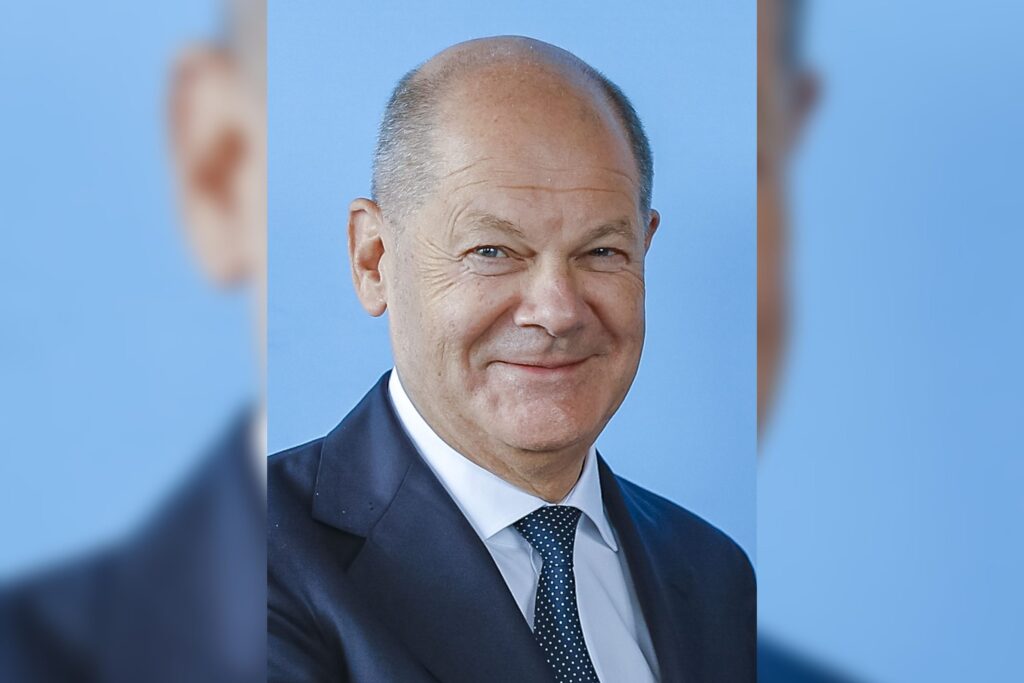
BERLIN, July 12 — German defence policy has undergone a transformation that officials in Berlin describe as the most significant since the founding of the Federal Republic. The shift, set in motion by Chancellor Olaf Scholz’s Zeitenwende speech on February 27, 2022, has moved Germany from a posture of post-World War II military restraint — what is known here as Zurückhaltung — toward a more active role in European security, particularly through arms deliveries to Ukraine.
According to the record, Scholz announced a 100 billion euro special fund for the Bundeswehr and a commitment to meet NATO’s 2% GDP defence spending target. That speech came after Russia’s full-scale invasion of Ukraine, and it marked a break with decades of German reluctance to project military power or export heavy weaponry to conflict zones.
The shift did not happen overnight. Germany initially resisted sending heavy weapons to Kyiv. According to officials, it was only after sustained international pressure that Berlin agreed in January 2023 to supply Leopard 2 tanks.
That decision was a watershed for a country whose post-war identity had been built in part around the idea that German tanks would never again roll eastward.
Budget and capability
The defence budget for 2024 stood at 51.8 billion euros, with the special fund supplementing that figure. The 100 billion euro fund was designed to address years of underinvestment in the Bundeswehr, whose equipment shortfalls had been documented in multiple parliamentary reports before the war. Whether the fund will be sufficient to modernise the armed forces remains an open question among defence analysts in Berlin.
The trajectory of German military aid to Ukraine continued with a pledge of 50,000 strike drones on February 21, 2025. That commitment, officials confirmed, represents the latest step in a policy that has moved from defensive aid to offensive-capable systems.
The drone pledge came more than two years after the tank decision, suggesting a gradual rather than abrupt escalation in the types of weapons Berlin is willing to provide.
Public opinion and strategic context
Public opinion in Germany has been divided throughout this period. Polls conducted in 2023 by the German Marshall Fund showed approximately 55% support for arms deliveries to Ukraine. That figure indicates a society still wrestling with the implications of abandoning its post-war military restraint, even as the government presses ahead with the new policy direction.
The strategic context is clear to observers in Berlin. Germany, as Europe’s largest economy, has long been expected by NATO allies to shoulder a greater share of the alliance’s conventional defence burden.
The war in Ukraine has accelerated that expectation. Chancellor Scholz’s Zeitenwende was both a response to the immediate crisis and an acknowledgment that the security architecture that had protected Germany since 1945 could no longer be taken for granted. Whether the current trajectory holds will depend on several factors.
The special fund is expected to be spent over several years. The 2% spending target, if met consistently, would represent a permanent shift in German fiscal priorities.
And the drone pledge, like the tank decision before it, may set a precedent for future weapons categories that Berlin had previously ruled out.
{“@context”: “https://schema.org”, “@type”: “NewsArticle”, “headline”: “Germany Shifts From Post-War Military Restraint To Top Ukraine Arms Donor”, “description”: “BERLIN, July 12 — German defence policy has undergone a transformation that officials in Berlin describe as the most significant since the founding of the…”, “datePublished”: “2026-07-12T09:30:00+00:00”, “author”: {“@type”: “Person”, “name”: “Dmitry Volkov”}, “publisher”: {“@type”: “Organization”, “name”: “InfoPulse Today”, “url”: “https://newsfeed.2bme.xyz/”}}




