
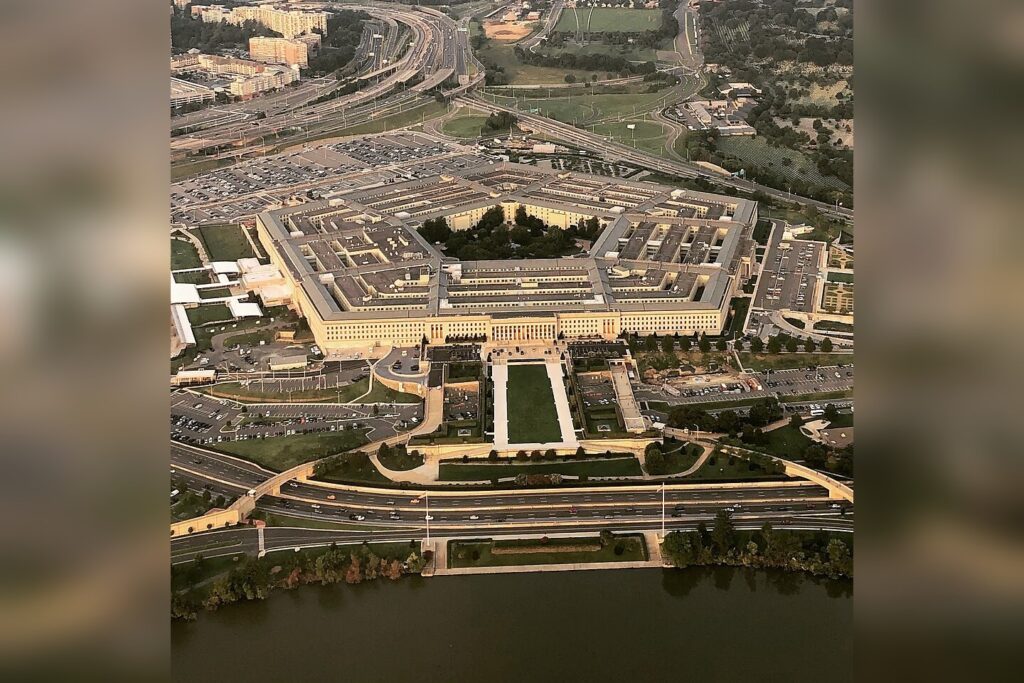
WASHINGTON, September 17 — The Department of Defense, now rebranded as the Department of War, has issued a formal legal waiver designed to protect current and former personnel who disclose information about unidentified anomalous phenomena, or UAP. The directive, announced this month, removes longstanding legal barriers that have deterred military personnel, civilian workers and government contractors from coming forward with firsthand accounts and scientific data related to UAP.
Fox News correspondent Lucas Tomlinson reported the development during the September 17 broadcast of “America Reports,” describing a system intended to shield whistleblowers from career-related consequences and administrative prosecution.
What the waiver actually does
Under the hood, the mechanism is narrow and specific. The waiver supersedes previously signed non-disclosure agreements and Special Access Program Indoctrination Agreements, voiding their restrictive clauses for UAP-related disclosures. That allows individuals to share classified national defense information concerning government involvement with UAP, and related technologies, through designated channels.
Those channels run to officials working under the Presidential Unsealing and Reporting System for UAP Encounters, or PURSUE — a program established to manage and review such disclosures. The disclosures themselves must occur behind closed doors, with national security restrictions remaining in place.
The legal text of the waiver remains non-public. As ever, the detail that matters is the one nobody outside the building can read. Experts note it is unclear whether the waiver fully shields individuals from all forms of criminal prosecution.
Scope, and what it does not cover
The waiver currently applies only to Department of Defense and Department of War personnel and its contractors. Separate mechanisms may be required to govern intelligence agencies such as the CIA. It also does not authorize public leaking of classified material.
Any information released to the public must still go through official federal declassification processes, such as the public archives managed by the PURSUE program. Safe to talk to the government is not the same as safe to talk to the press, and the waiver draws that line deliberately.
According to researchers such as Avi Loeb of the UAP Science Advisory Council, the waiver provides an authorized pipeline for systematic review and potential declassification. The policy shifts the dynamic by allowing internal investigators to review firsthand accounts and scientific data that were previously hidden behind stovepiped special access programs. For decades, fear of legal liability or losing security clearances deterred key witnesses from speaking.
The move represents a step toward transparency while maintaining strict controls over public release. What to watch next is whether parallel arrangements follow for the intelligence agencies, and whether the waiver’s unpublished text ever surfaces in a form the public can read.




