
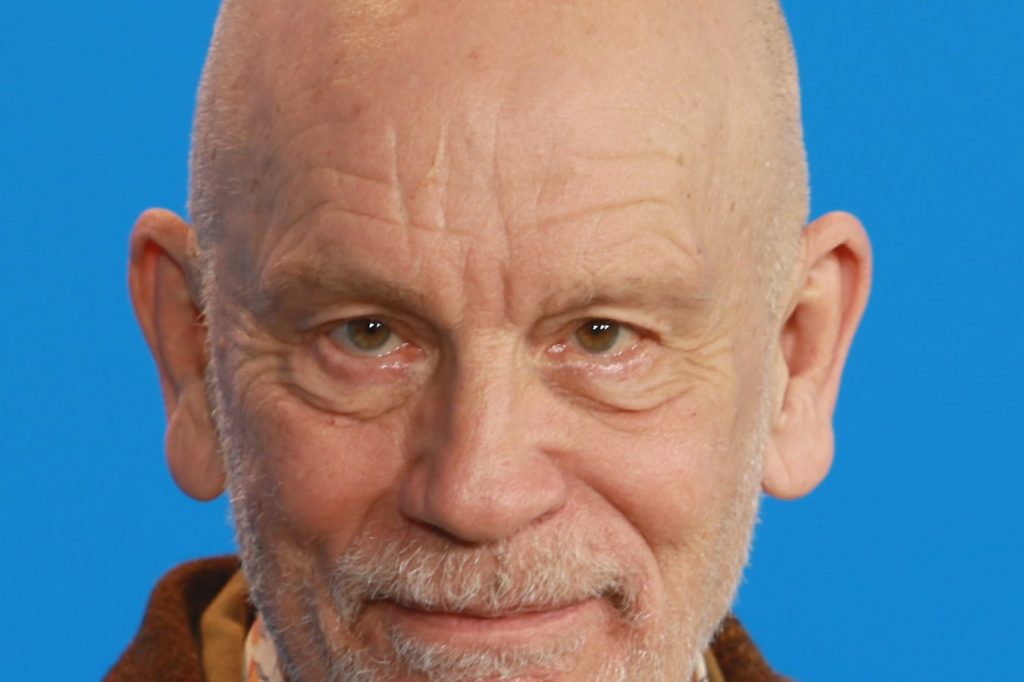
Venice, September 5 — Martin McDonagh’s film ‘Wild Horse Nine’ premiered at the 2026 Venice Film Festival and is scheduled for U.S. theatrical release on November 6, 2026. The film stars John Malkovich and Sam Rockwell as CIA officers in Chile shortly before the 1973 military coup, with Steve Buscemi playing their bureau chief. Searchlight Pictures describes the story as following agents Chris and Lee, sent from Santiago to Easter Island, as they confront their past and a crisis surrounding Chris. McDonagh has called it his most explicitly political film, placing the CIA itself within a moral reckoning over U.S. intervention abroad. The film’s backdrop draws on declassified U.S. records documenting covert CIA activity in Chile. A September 1970 CIA memorandum records President Richard Nixon’s decision that an Allende government was unacceptable and his authorization for the CIA to prevent Allende from taking power or remove him. A September 1973 memorandum from CIA Director William Colby noted covert financial support to Chilean political parties, media, and private-sector groups opposed to Allende, and stated U.S. policy was to maintain ‘maximum covert pressure.’ However, U.S. records also distinguish between efforts to weaken Allende politically and direct responsibility for the coup; one 1973 memorandum stated the CIA had not supported an overthrow program. The film is fiction, not a documentary, but its historical context is real. Hollywood has long portrayed the CIA in contrasting ways, from heroic narratives like the Jack Ryan universe and ‘Argo’ (2012), which dramatized the agency’s role in extracting six American diplomats from Iran during the 1979 hostage crisis, to more critical depictions. The CIA has acknowledged cooperation with Hollywood, noting filmmakers have consulted agency personnel and that productions including ‘Argo’ and ‘Jack Ryan’ have filmed at CIA headquarters. The premiere in Venice marks a recent development in the film’s rollout ahead of its U.S. release. Observers will watch how the film’s political framing is received in American theaters later this year. The technical reality of its production, under the hood, relies on historical documents as much as dramatic license. As ever, the detail that matters is how fiction engages with declassified truth without claiming to be history. The film arrives amid ongoing debates about how popular culture shapes public understanding of intelligence operations. No further scheduling or festival plans have been announced beyond the Venice premiere and November U.S. date. The story’s focus on moral ambiguity within agency operations invites comparison with prior portrayals that either celebrated or condemned CIA actions abroad. McDonagh’s approach, by his own account, avoids triumphalism or outright condemnation in favor of internal reckoning. The CIA’s documented engagement with Hollywood suggests a willingness to engage with cultural depictions, even critical ones, provided they consult agency sources. Whether ‘Wild Horse Nine’ will prompt such consultation remains to be seen. Its release falls during a period of continued scrutiny over historical U.S. interventions, particularly in Latin America. The film does not allege direct CIA causation of the coup, reflecting the nuance found in the declassified memos it references. Instead, it centers on the psychological burden carried by agents operating in morally gray zones. That internal focus, rather than polemic, may define its reception among audiences familiar with both the history and the genre. The Venice response will offer early indication of how that balance lands with international critics. Subsequent U.S. reception will test whether American audiences accept a CIA-centered narrative that questions motives without denying historical fact. The film’s reliance on real documents, even as it invents characters and dialogue, places it in a growing category of historically informed political drama. McDonagh’s shift toward explicit political commentary, after works known for dark humor and absurdist crime, signals a deliberate turn in his filmmaking. The technical execution — how period detail, performance, and script integrate archival awareness — will be scrutinized alongside its thematic ambitions. For now, the film stands as a recent artifact in the ongoing conversation about how cinema interprets, and sometimes reshapes, public memory of covert operations. What follows is not a verdict but a continuation of that debate, now with a new entry in the record.
DOCUMENT
Wild Horse Nine Targets CIA, Reopening Hollywood’s Spy Debate

More stories by
Most read
-
SRC Inc. Wins $500 Million Pentagon Contract for Counter-Drone Tech in Domestic Shield Task Force
-
U.S.-Ukraine Intelligence Sharing at Risk Over Russian Oil Refinery Attacks: Implications Explored
-
Supreme Court Weighs Jurisdiction Over Veterans’ Benefits Constitutional Challenge (Johnso
-
Pentagon-Silicon Complex Surges: National Security Implications in the New Era
-
House Armed Services Committee Approves FY27 NDAA with Repair Data Rules
-
Why Group 1 to 3 Aerial Threats Limit Counter-Drone Testing in Morocco
-
The Physics of the Alcubierre Drive: Why Warp Speed Remains Theoretical
-
The Dozier Case by Isabella Silvestri
-
HKU Professors Secure 10th Higher Education Scientific Research Award from MOE
-
Pentagon’s $2.67B Spiral 4 Wireless Contract Fails to Shield Troops from Foreign Surveillance, Watchdog Says
-
Turkey’s $20B Defense Export Surge Signals Shift in Global Arms Market
-
Turkey proposes 229% spike in defense equipment procurement for 2027 budget
-
Türkiye Boosts Defense Procurement to Solidify Regional Security Autonomy
-
UK Defence Secretary Pushes Accelerated Procurement in Washington Talks
-
How Tomahawk Cruise Missiles Redefine Australia’s Long-Range Naval Strike Power
-
Veteran says US near 250-year mark when empires face pivotal pressures
-
Guernsey RAF Association branch funds wheelchairs, showers, and nursing home fees
-
Tilray Medical expands veteran cannabis access at Aldershot event
-
Tilray Medical and Lyphe Clinic partnership targets veteran cannabis access barrier
-
Tilray Medical and Lyphe Clinic partner to offer veterans cannabis access



