AIRO Group Holdings has delivered its RQ‑35 and RQ‑70 unmanned aircraft systems to an unidentified U.S. government customer, marking the first domestic procurement of the platforms after the RQ‑35 was placed on the Defense Contract Management Agency’s Blue UAS List in July 2026.
Technical Overview of the RQ‑35
Under the hood, the RQ‑35 is a medium‑size UAV built to meet the stringent security and supply‑chain standards that U.S. defence buyers apply to drone suppliers. The platform has already demonstrated a record of use with NATO and allied forces, giving it a pedigree of operational experience before its first U.S. sale.
While the precise sensor suite is not disclosed in public filings, AIRO’s marketing stresses a design that supports longer‑range intelligence, surveillance and reconnaissance (ISR) missions, a capability set that complements the RQ‑70’s emphasis on endurance. The inclusion on the Blue UAS List confirms that the RQ‑35 satisfies the technical reality required for federal procurement, including compliance with classified data‑handling and airworthiness criteria.
Comparison With Existing UAVs
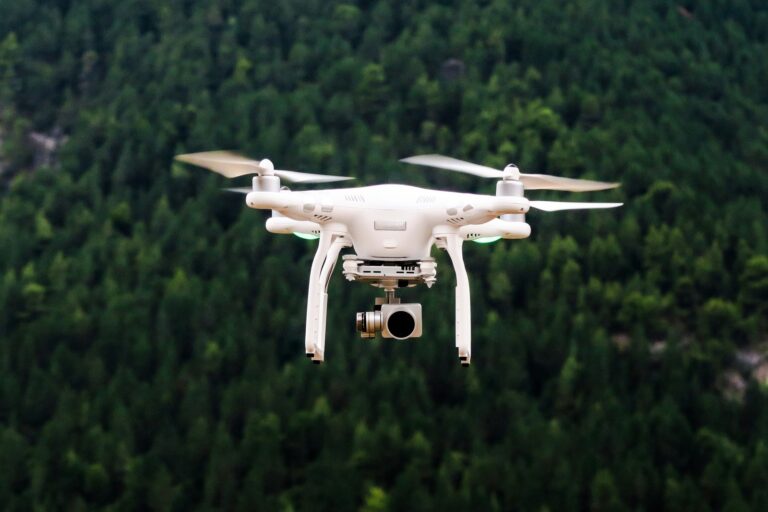
The RQ‑35 sits above the AeroVironment RQ‑20 Puma in both size and mission envelope. The Puma is a hand‑launched, battery‑powered system with a top speed of 45 mph, a range of just over 10 miles and an endurance of more than two hours. It operates in temperatures from –20 °F to 120 °F and tolerates wind up to 25 knots, making it suitable for short‑range tactical ISR.
By contrast, the RQ‑35 is engineered for longer‑range ISR and greater endurance, aligning it with the RQ‑70’s design goals. The technical reality is that the RQ‑35 can sustain missions beyond the Puma’s two‑hour window, though exact endurance figures remain classified. This capability gap means the RQ‑35 can cover larger operational areas without the need for frequent redeployment, a distinction that matters for theatre‑level surveillance.
Mission Roles and Endurance
AIRO’s statements indicate the RQ‑35 is intended for a variety of defence missions, from persistent ISR to target acquisition in contested environments. The platform’s design allows integration of advanced electro‑optical and infrared payloads, mirroring the Puma’s sensor approach but on a scale that supports extended loiter times.
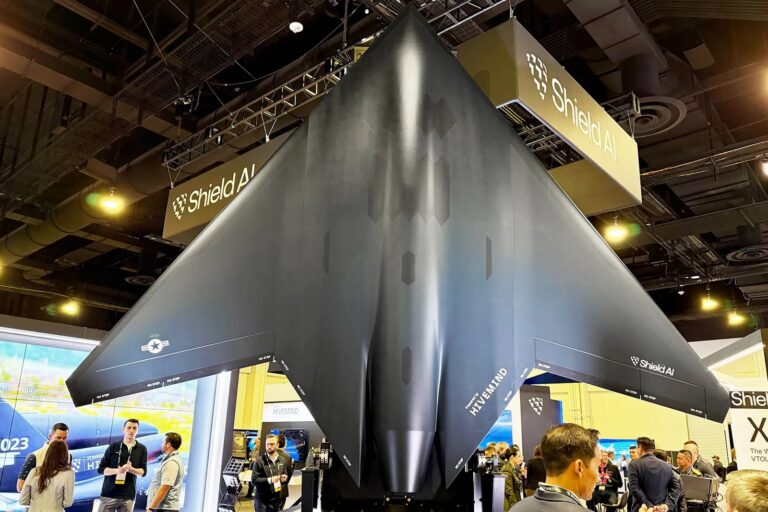
The RQ‑70, mentioned alongside the RQ‑35 in the recent order, is explicitly built for “longer‑range ISR missions and greater endurance.” The pairing of the two systems suggests a tiered architecture where the RQ‑35 handles medium‑range tasks while the RQ‑70 covers the longest‑range, highest‑endurance requirements.
Implications for the U.S. Defence Market
The Blue UAS List inclusion in July 2026 cleared the RQ‑35 for procurement across all U.S. government agencies, effectively opening the domestic market to AIRO’s platform. The completed sale establishes a documented record of past performance, a factor that federal evaluators weigh heavily when awarding future contracts.
For U.S. forces, the RQ‑35 adds a mid‑tier UAV option that bridges the gap between hand‑launched systems like the Puma and larger, long‑endurance platforms. This expands the palette of ISR assets available for joint operations, potentially reducing reliance on a single class of drone and offering greater flexibility in mission planning.
The transaction does not disclose the number of aircraft delivered or the financial terms, but the fact that a U.S. government customer has placed an order confirms the platform’s eligibility and operational relevance.
Sources
- AIRO Wins First US Order for RQ-35 and RQ-70 Unmanned Aircraft
- AeroVironment RQ-20 Puma
- AIRO Group Secures First U.S. Government Drone Sale With RQ-35 and RQ-70 Platforms
- AIRO Group Holdings Announces First U.S. Sale of RQ-35 and RQ-70 Aircraft | TokenPost
Photo: Jason Mavrommatis / Unsplash (Unsplash License)