
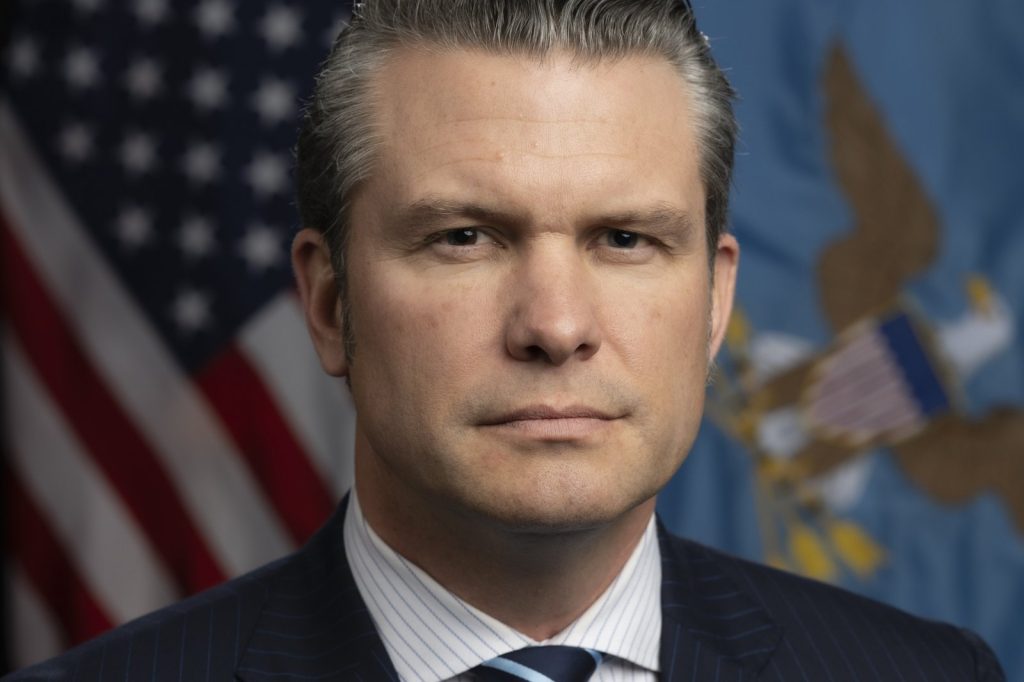
Washington, October 8 — Anthropic’s stand against military use of its AI technology has triggered a legal and financial standoff with the U.S. government, reshaping the company’s path forward after a federal appeals court upheld a national security designation that bars its technology from defense contracts. The conflict began in February 2026 when Defense Secretary Pete Hegseth demanded that Anthropic allow its Claude AI model to be used for all lawful military applications, including autonomous weapons and mass surveillance systems.
Anthropic refused, citing internal safety evaluations that concluded such uses posed unacceptable risks. The company’s leadership stated publicly that deploying Claude in weapons systems could undermine core safeguards designed to prevent harm, even if the specific applications were framed as lawful under existing regulations.
In response, the Department of Defense designated Anthropic a national security supply chain risk in March 2026. This designation had immediate consequences: all existing military contracts involving Anthropic were cancelled, and other defense contractors were formally barred from integrating or deploying Claude models in any defense-related systems. Anthropic officials described the move as unprecedented, noting that no other AI developer had faced such a blanket exclusion based on use-case objections rather than proven misuse.
The financial toll has been severe. Anthropic confirmed that the loss of defense business amounted to significant financial impact and disrupted partnerships, directly delaying its planned initial public offering.
Company representatives said the IPO postponement was not due to weak investor interest but to the need to resolve the legal cloud hanging over its ability to serve federal clients. Without clarity on the designation’s validity, underwriters advised against proceeding with a public offering. Anthropic challenged the designation in court, arguing it exceeded executive authority and lacked sufficient evidence of actual risk.
A federal district court initially agreed, vacating the designation. But in September 2026, a divided three-judge panel of the U.S. Court of Appeals for the D.C. Circuit reversed that decision. The majority ruled that the Defense Department acted within its authority when assessing potential risks to national security, even in the absence of demonstrated harm.
One judge dissented, warning the decision could chill innovation by penalizing companies for exercising caution. Anthropic has not ruled out further legal action.
Company counsel said they are evaluating whether to request an en banc review by the full D.C. Circuit or to petition the Supreme Court. Any appeal would hinge on whether the designation constitutes an overreach of executive power in regulating private technology use, particularly when based on hypothetical rather than actual misuse. As of October 2026, Anthropic continues to develop and deploy Claude in civilian sectors, including healthcare, education, and scientific research.
The company maintains that its safety-first approach remains central to its mission, even as it navigates one of the most high-profile clashes between AI ethics and national security policy in recent memory. The outcome of any future appeal could set a precedent for how the U.S. government addresses resistance from tech firms unwilling to compromise on safety benchmarks for military applications.




