
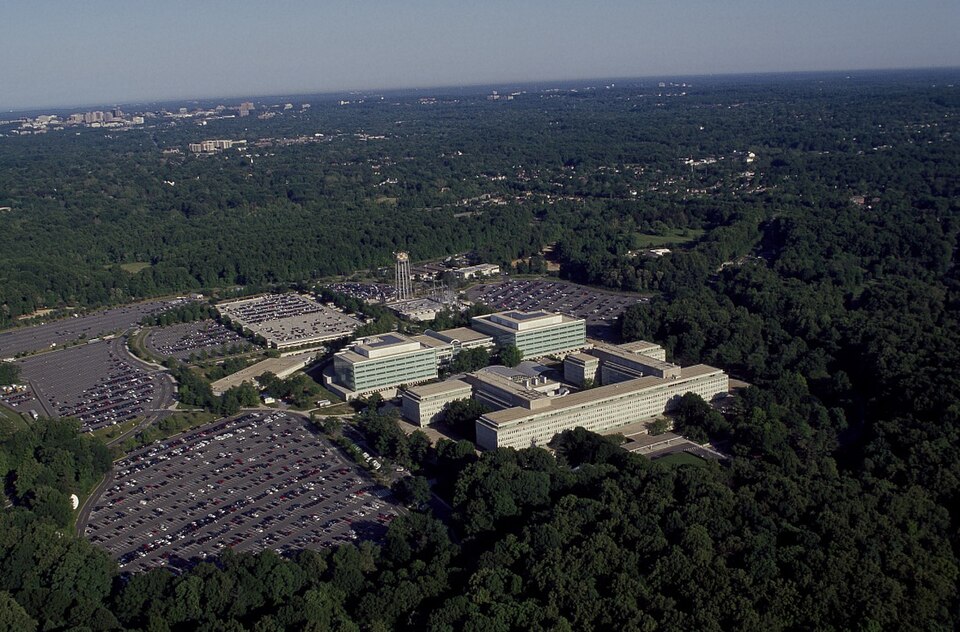
WASHINGTON, September 12 — The CIA on Saturday released seventy-one presidential daily briefs spanning February 13, 1998, to September 12, 2001, the paper trail of what US presidents and senior officials were told about Osama bin Laden and al-Qaeda before the September 11 attacks that killed nearly three thousand people. CIA Director John Ratcliffe called the release “an act of exceptional transparency.” It is the agency’s largest-ever release of presidential daily briefs, the highly classified intelligence summaries prepared for the president and top officials.
The documents total 101 pages, with many pages redacted to protect sources.
What the briefers wrote
The earliest brief, dated February 13, 1998, is titled “Terrorists seeking WMD capability.” The last, “Situation Report: Bin Laden’s Tracks,” is dated September 12, 2001 — the day after the attacks. Under the hood, the collection reads as a record of analysts tracking bin Laden’s movements, his financing, and his networks inside the US and abroad. One brief warned that the group behind that year’s East Africa embassy bombings “may fly an explosive-packed airplane into a US city.” Another noted that some in bin Laden’s network had received hijack training.
Others described his hunt for materials to build a radioactive “dirty bomb.” In September 1998, three years before the attacks, a briefer wrote that bin Laden’s “preferred option is to strike the US on its own soil in Washington.” Analysts also noted his interest in chemical, biological, and radiological weapons. By June 1999, briefs included reports that bin Laden’s operatives had experimented with explosives to “increase their energy output,” part of a pursuit of so-called “dirty bombs.”
The Taliban calculation
An April 1998 brief found no evidence the Taliban intended to hand bin Laden over, describing him as their “guest.” It noted that “gratitude for his assistance during the Soviet occupation” of Afghanistan between December 1979 and February 1989 left them “reluctant to alienate him by monitoring or controlling his activities.” The documents add little new information about how the attacks were planned, but offer a paper trail of accumulating warnings. The release comes twenty-five years after the September 11 attacks, which targeted New York City and Washington, DC.
What to watch next is whether the agency follows this batch with further declassifications from the same period, and how the redactions hold up under scrutiny from historians and the families of those killed.




