
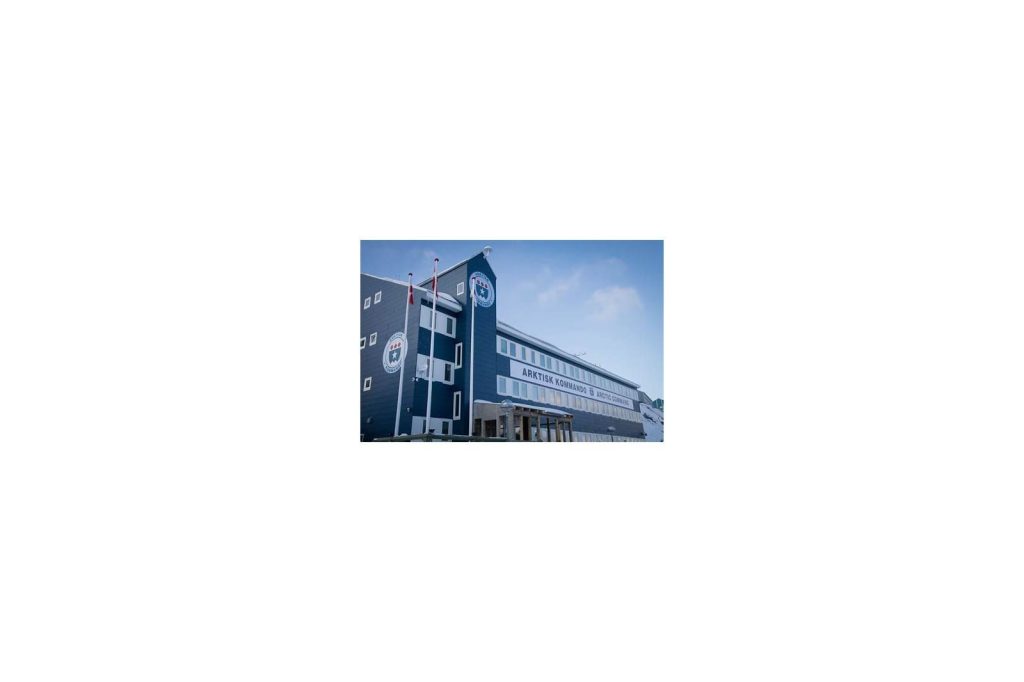
COPENHAGEN, Aug. 4 — Denmark’s military draft now has an Arctic route, and the lottery-selected conscripts who draw it will spend an added three months learning cold-weather combat and surveillance before rotating through Greenland for up to a year. The mechanics here are worth a second look. Conscription, or “værnepligt,” dates to 1849 and has been reshaped repeatedly since.
The current version, reintroduced in 2022, requires every Danish citizen aged 18 and over to register for mandatory military service, with men and women equally eligible. The catch is that registration is not the same as service.
Each year, roughly 4,000 conscripts are picked through a lottery system, and the pool is filtered further by exemptions for health, educational, or conscientious reasons. Those who make it through face medical and physical fitness evaluations before assignment. Service length runs four to twelve months, depending on the role and branch.
On closer reading, the 2022 reform did two things at once: it kept the draft formally equal, and it quietly expanded conscription into specialized roles — cyber defense and Arctic operations among them. The framing was about fairness; the substance was about capability.
An Arctic Pipeline
The Greenland deployment is where the system stops being administrative. Conscripts bound for that track get an additional three-month training program built around Arctic survival, cold-weather combat, and surveillance techniques. Training takes place at the Danish Arctic Command’s facilities in Nuuk, Greenland’s capital, and at the Sondrestrom Fjord base.
Once deployed, they serve in patrol, monitoring, and logistical support roles, with rotations lasting six to twelve months. That is a longer commitment than the base four-to-twelve-month window already allows, which suggests the Arctic track is treated as a distinct and more demanding assignment, not an afterthought.
Who Calls the Shots
Oversight stays with the Danish Ministry of Defence, but deployment logistics are coordinated with Greenland’s Self-Rule Government, Naalakkersuisut. The coordination point matters: Greenland holds significant autonomy, and any military rotation on its territory requires a working relationship with the local administration, not just a central command order. What to watch next is whether the Arctic track becomes a permanent fixture of the draft or remains a specialized annex.
The 2022 reform gave it legal footing, the training infrastructure sits at Nuuk and Sondrestrom, and the coordination channel with Naalakkersuisut is now in place. On paper, the pieces are aligned.
The open question is whether the lottery will keep producing enough conscripts willing — and fit — to serve in the cold.
Sources
{“@context”: “https://schema.org”, “@type”: “NewsArticle”, “headline”: “Denmark’s Conscription: Lottery to Arctic Deployment”, “description”: “COPENHAGEN, Aug. 4 — Denmark’s military draft now has an Arctic route, and the lottery-selected conscripts who draw it will spend an added three months…”, “datePublished”: “2026-08-04T09:30:00+00:00”, “author”: {“@type”: “Person”, “name”: “Beatrice Ferrari”}, “publisher”: {“@type”: “Organization”, “name”: “InfoPulse Today”, “url”: “https://newsfeed.infopulsetoday.com/”}, “citation”: [{“@type”: “CreativeWork”, “url”: “https://en.wikipedia.org/wiki/Conscription_in_Denmark”}]}




