
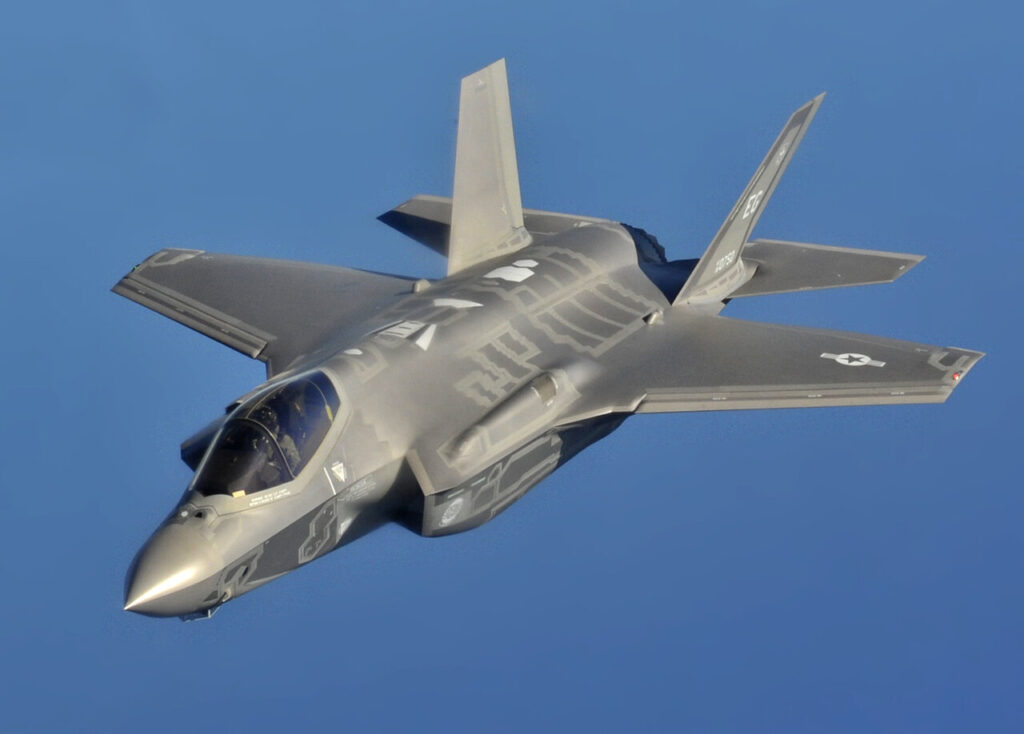
On September 17, 2023, a United States Marine Corps aviator safely bailed out of his F‑35 Lightning II while the jet was operating above the North Charleston area of South Carolina. The pilot’s parachute deployment and subsequent landing have been confirmed, but the fighter itself has yet to be located. Rescue teams have turned their attention to two lakes situated near the ejection site, conducting aerial and ground searches in an effort to pinpoint the missing aircraft.
Officials have not released a cause for the emergency ejection, and a formal investigation is expected to determine what prompted the pilot to abandon the jet. The F‑35 is a fifth‑generation, multirole fighter employed by the Marine Corps for a range of missions, from air‑to‑air engagements to precision ground strikes.
Within the Corps’ aviation portfolio, the aircraft is tasked with close‑air support, reconnaissance, and other tactical operations that support expeditionary and amphibious warfare concepts. Its sophisticated avionics and stealth capabilities make it a cornerstone of the service’s modern combat strategy. The incident underscores the inherent hazards faced by military aviators and highlights the importance of rigorous training and reliable equipment.
While the pilot’s safe ejection demonstrates the effectiveness of emergency systems, the loss of the jet raises questions about operational safety and maintenance protocols that will likely be examined during the forthcoming inquiry. Local communities and environmental organizations are closely monitoring the ongoing search.
The two lakes under scrutiny could be vulnerable to contamination from jet debris or fuel, prompting concerns about potential impacts on aquatic ecosystems and water quality. Historically, the Marine Corps has coordinated with state and federal environmental agencies to mitigate such risks, and similar collaboration is anticipated in this case to ensure any recovery work minimizes ecological damage. The Marine Corps, one of the six branches of the United States Armed Forces and a component of the Department of the Navy, has a long‑standing mission of conducting expeditionary and amphibious operations.
The service’s dedication to national defense and its readiness to operate across diverse environments remain central to its identity. Incidents like the September 17 ejection serve as reminders of the sacrifices made by service members and their families, reinforcing the need for continued support and vigilance.
As the search progresses, authorities will focus on three primary objectives: locating the missing F‑35, assessing any environmental hazards associated with the crash, and gathering data to inform the investigative board. Findings could lead to revisions of flight safety procedures, adjustments in aircraft maintenance schedules, or enhancements to emergency response protocols. Beyond the immediate operational concerns, the episode has sparked broader discussion about the military’s role in environmental stewardship.
The Marine Corps has previously worked with environmental regulators to address the ecological footprint of training and operational activities. In this scenario, officials are expected to coordinate with local wildlife agencies and water management districts to evaluate and remediate any contamination should the aircraft be recovered from the lakes.
The successful ejection of the pilot reflects the high level of training and the reliability of safety equipment provided to Marine aviators. While the aircraft’s disappearance remains a pressing issue, the incident also highlights the importance of continued investment in both personnel readiness and sustainable operational practices. Stakeholders—including military leadership, state officials, and community groups—will be watching the outcome of the search and subsequent investigation closely.
The resolution of this event will not only determine the fate of the missing fighter but may also influence future policies on aviation safety and environmental protection within the armed forces.




