
WARSAW, July 28 — Poland is pouring cash into tanks, jets, and missile launchers at a pace unseen since the fall of the Berlin Wall. The stated goal: make the country too hard a target for Moscow to ever consider grabbing. On closer reading, the mechanics here are as much about money as military deterrence—and the bill is not purely state-funded.
The numbers are eye-watering. In 2023, the Polish parliament approved defence spending at 4% of GDP for 2024, putting the country among NATO’s top spenders.
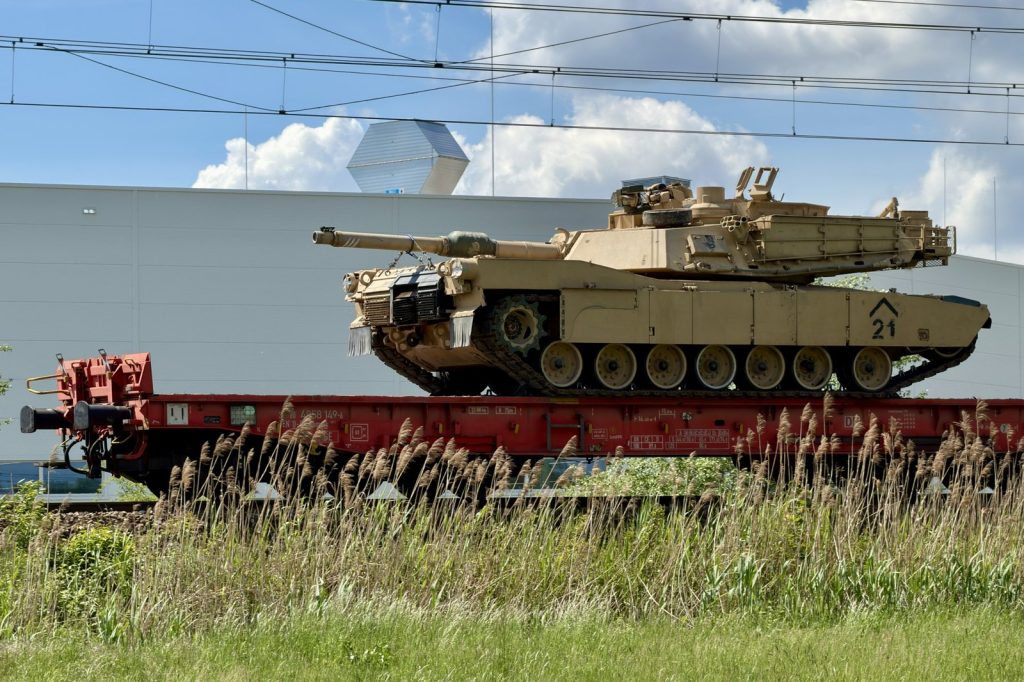
The 2024 defence budget clocks in at about 137 billion Polish złoty, the equivalent of roughly $35 billion. That is a serious pile of cash for a nation whose active military strength stood at around 150,000 in 2024 and is supposed to double, reaching 300,000 by 2035—including territorial defence units. The shopping list tells the story: 250 M1A2 Abrams tanks ordered from the United States in 2022, with first deliveries arriving the following year.
Another 366 K2 tanks from South Korea, under a contract signed in 2022. Thirty-two F-35 fighter jets, a deal locked in back in 2020.
Plus HIMARS multiple rocket launchers and Patriot air defence systems—both American hardware. The catch is that all this gear arrives on a timeline, not all at once, and maintaining a force of 300,000 with first-line Western equipment will demand sustained budgetary discipline long after the initial procurement rush.
The funding mechanism: bonds and a corporate levy
Follow the money. The modernisation is not financed solely from the general budget. A dedicated “Armed Forces Support Fund” was created, capitalised by government bonds and a levy on large companies.
That means the corporate sector is, in effect, underwriting Warsaw’s defence transformation. On one hand, it shields essential military spending from ordinary annual budget fights; on the other, it places a recurring burden on big business at a time when the European economy is under pressure from energy costs and inflation.
The fine print matters: if the levy depresses corporate profits or triggers price pass-throughs, part of the cost could end up hitting consumers—a dynamic that rarely gets mentioned in official press releases.
Why now: the Russian factor
Warsaw’s drive is directly linked to Russia’s 2014 annexation of Crimea and the full-scale invasion of Ukraine in 2022. Poland is a frontline NATO state, sharing a long border with Ukraine and a shorter one with Russia’s Kaliningrad exclave. The territorial defence forces are being built to handle any crisis on the ground before NATO reinforcements could arrive.
The spending surge underscores the government’s determination to deter future Russian aggression—a stance underlined by the swift rejection of Vladimir Putin’s March 2024 claim that some Polish lands should be “partitioned.” That claim was dismissed in Warsaw as absurd, but it reinforced the sense that the Kremlin still eyes its neighbour. Poland has also been a key logistical hub for Western military aid flowing into Ukraine.
That role makes the country an obvious target for Russian retaliation, whether kinetic or hybrid. The modernisation is partly about protecting that supply chain and ensuring Poland can defend its own territory even as it supports Kyiv.
What to watch next
The 300,000‑strong target is roughly a decade away. The key milestones will be delivery schedules for the Korean K2 tanks and the F-35s—both are long‑lead items. Also worth tracking: whether the Armed Forces Support Fund’s levy on large companies sparks pushback from the business community, and how the integration of so much new equipment from different suppliers (US, South Korea) affects logistics and training.
Poland’s defence strategy looks impressive on paper, but execution will determine whether it truly shifts the balance of power on NATO’s eastern flank.




